
Are Home Air Purifiers Worth Buying in 2026?
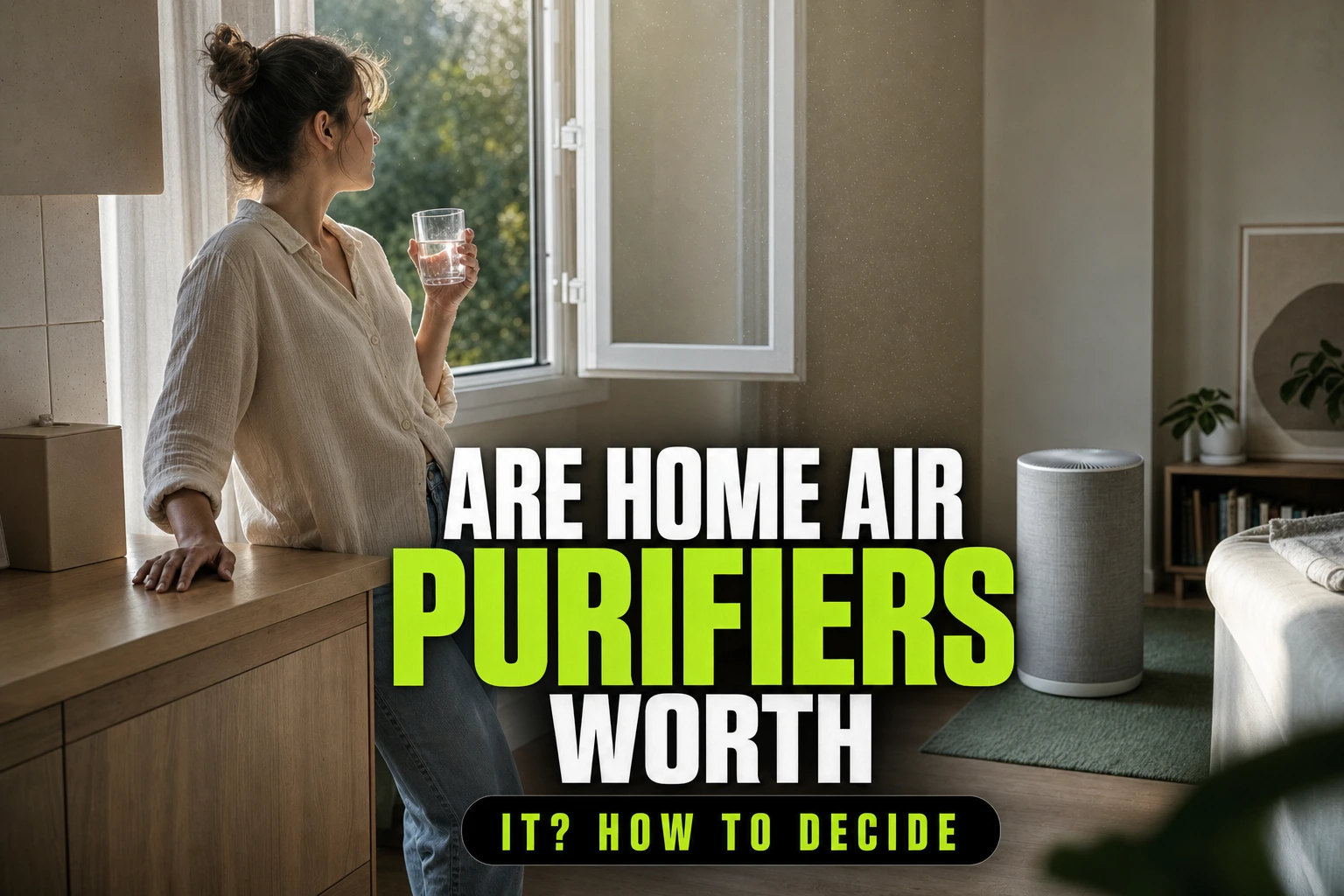
Home air purifiers can be worth buying for allergies, pets, wildfire smoke and other airborne-particle concerns. Their value depends on room size, filter costs and realistic expectations.
This article is informational and does not place shopping buttons in the story. Related buying guides may include affiliate links.
As an Amazon Associate I earn from qualifying purchases. This does not affect the price you pay. Affiliate disclosure
On this page10 sections
- 1The short answer
- 2Are Home Air Purifiers Worth Buying in 2026?
- 3How Modern Air Purifiers Clean Your Air
- 4The Ongoing Cost of Owning an Air Purifier
- 5How to Size Your Purifier for the Room
- 6When an Air Purifier Is Worth the Investment
- 7When You Should Save Your Money Instead
- 8Which Type of Purifier Should You Choose?
- 9Frequently asked
- 10Sources
The short answer
- Air purifiers excel at removing airborne allergens like dust, pollen, and pet dander from your living spaces.
- Ongoing replacement filter costs represent the largest long-term expense and must be factored into your budget.
- Matching the clean air delivery rate to your specific room size is essential for effective performance.
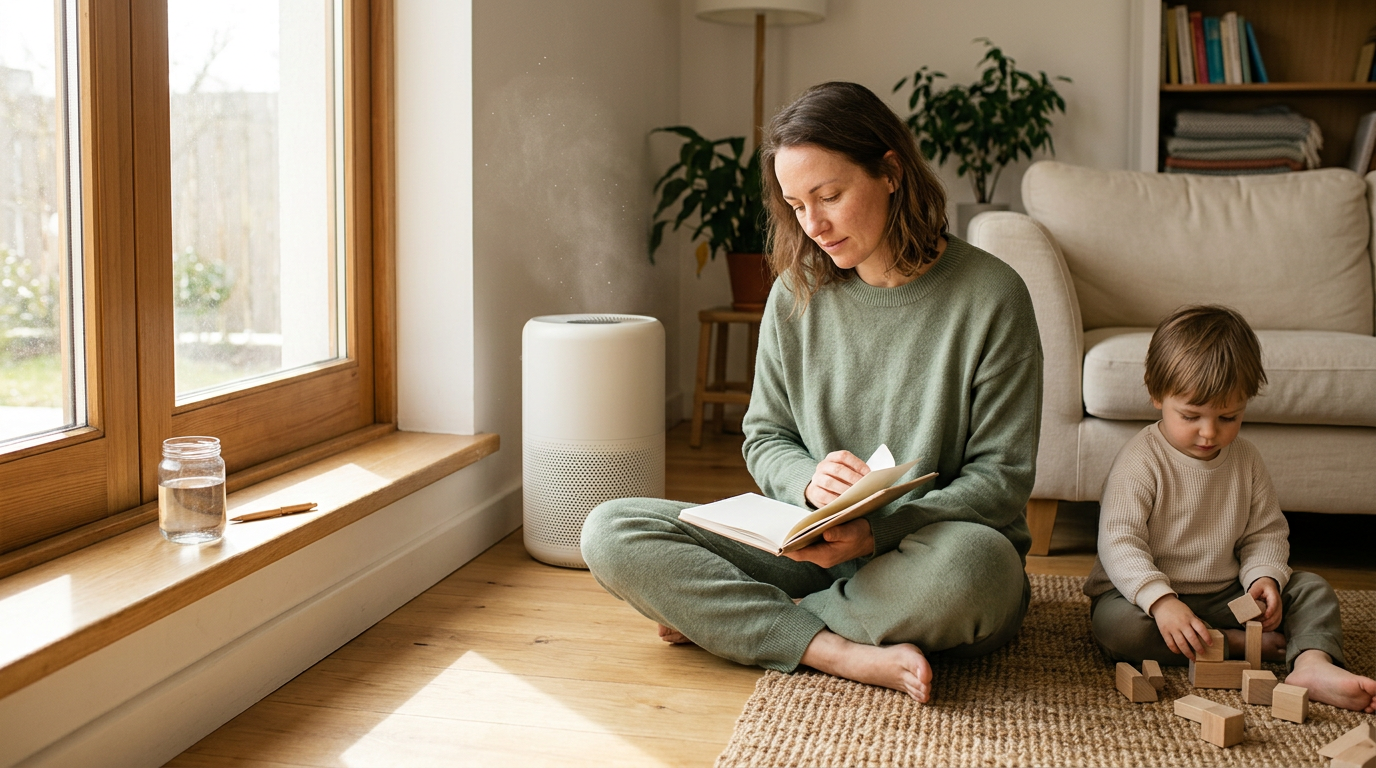
Yes, a home air purifier can be worth buying in 2026 if you need to reduce airborne pollen, pet dander, smoke or dust. It may offer less value in a home without a clear air-quality concern. Before buying, compare room coverage, replacement-filter needs, electricity use and the limits of portable filtration.
Deciding whether to invest in one of these appliances requires understanding how they actually clean your indoor environment. Many consumers buy these machines expecting them to eliminate all household dust or neutralize deep structural odors, only to be disappointed by their real-world limitations.
To make an informed decision, you must weigh the upfront appliance price against recurring filter replacements and energy consumption. This guide breaks down the mechanics, evaluates the ongoing ownership costs, and helps you determine if a purifier fits your specific household needs.
Are Home Air Purifiers Worth Buying in 2026?
A home air purifier is most likely to be worth buying when you can identify a specific airborne problem and choose a unit suited to the room. Common reasons include pollen, pet dander, smoke and dust that remains suspended in the air. A portable purifier can reduce particles that pass through its filter, but it cannot prevent pollution from entering, remove debris from surfaces or repair the source of mold and odors.
Value also depends on how you use the appliance. An undersized purifier, a blocked intake or an overdue filter replacement can limit performance. Before deciding, identify the room where it will run, the pollutant you want to address and the ongoing maintenance you are willing to accept. If those factors line up, a purifier can be a practical addition rather than an unnecessary appliance.
How Modern Air Purifiers Clean Your Air
Understanding how these appliances work is key to determining their value. Most modern units rely on a mechanical filtration system to capture particles as they drift through your living spaces. A fan draws indoor air into the machine, forcing it through a series of dense physical barriers before releasing the cleaned air back into the room.
The primary defense in many units is a HEPA filter, which stands for High-Efficiency Particulate Air. This dense, fibrous material is designed to trap microscopic particles like pollen, dust mites, mold spores, and animal dander as air passes through it.
In addition to catching physical particles, many systems contain an activated carbon layer to manage gases and odors. Unlike physical fibers, carbon works through adsorption, trapping some gas molecules inside its porous structure. This layer targets cooking smells, pet odors, and some VOCs, which are volatile organic compounds emitted by household cleaners and paints.
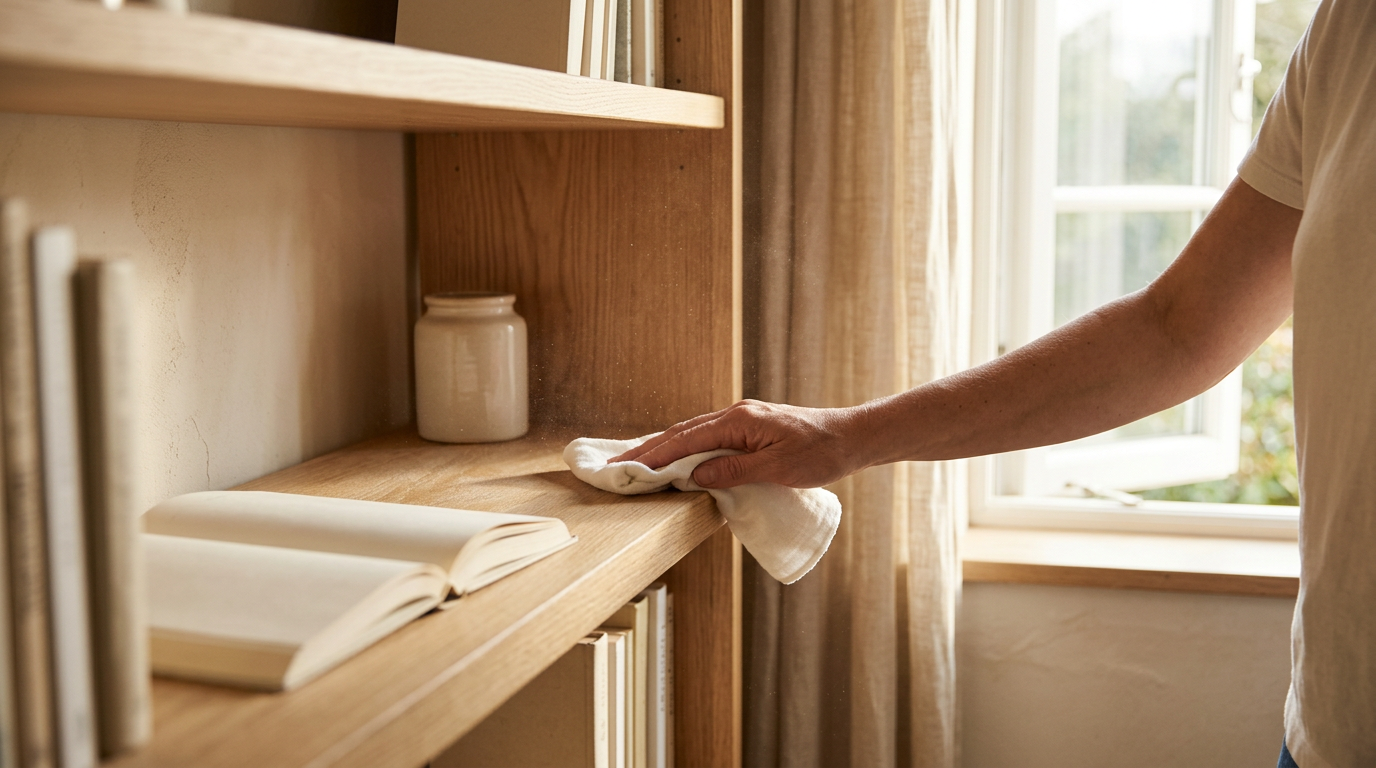
By combining these two distinct technologies, a standard household machine can address both solid particles and some gaseous pollutants. However, the appliance only cleans the air that actively circulates through its intake. Heavy particles that have already settled onto your rugs, sofas, or tabletops will remain there until you physically vacuum or dust those surfaces.
 See the picks in our buying guide
The Ongoing Cost of Owning an Air Purifier
The initial purchase price is only a fraction of the total investment required for clean indoor air. To maintain proper performance, you must replace the internal filters on the schedule specified by the manufacturer. Operating a machine with a clogged filter reduces airflow and can limit the unit’s ability to capture new particles.
Replacement timing depends on the model, local air quality and how heavily the purifier is used. Households with pet shedding, smoke or frequent outdoor-pollution events may place more demand on filters. Always check the replacement-filter price, expected service interval and local availability before choosing a unit.
Electricity consumption is another recurring factor to include in long-term value. Purifiers generally work more consistently when allowed to circulate air for extended periods, although actual power use varies by model and fan setting.
To reduce unnecessary filter loading, look for a model with a washable or replaceable pre-filter that captures larger debris. Cleaning that outer layer according to the manufacturer’s directions helps maintain airflow. The 2026 home air purifier comparison can help you compare suitable designs before choosing.
How to Size Your Purifier for the Room
A common mistake is buying a small machine and expecting it to clean a large open-concept living area. If a unit is undersized for your room, it may not circulate and filter the air often enough to meet your goal, regardless of its filter quality. Room dimensions, ceiling height, layout and fan setting all affect practical coverage.
Industry specifications may include a CADR rating, which stands for Clean Air Delivery Rate. This number describes the volume of filtered air delivered over time. Some listings provide separate ratings for smoke, dust and pollen because particle sizes differ.
Start by measuring the room’s length and width. Check whether the manufacturer’s coverage claim assumes a particular ceiling height and number of air changes per hour. High ceilings and open doorways increase the volume of air the purifier must handle. Choosing some extra capacity can let you use a lower, quieter fan setting, but the machine still needs unobstructed airflow. Keep its intake and outlet away from curtains, walls and large furniture, following the placement instructions for that model.
When an Air Purifier Is Worth the Investment
For many households, the most relevant benefits involve reducing airborne particles in frequently occupied rooms. People concerned about seasonal pollen may find a correctly sized purifier useful in a bedroom, especially when windows need to remain closed. It should complement, rather than replace, cleaning and appropriate ventilation.
Pet owners may also benefit from filtration in main living areas. Cats and dogs shed dander that can remain airborne, while larger hair and debris usually settle and require vacuuming. Place the purifier where air can move freely rather than pressing it against pet bedding or furniture.
If you live in an area affected by seasonal wildfire smoke, a purifier with effective particle filtration can form one part of an indoor-air plan. Keep in mind that filters need monitoring during sustained smoke events and that sealing obvious air leaks may also matter.
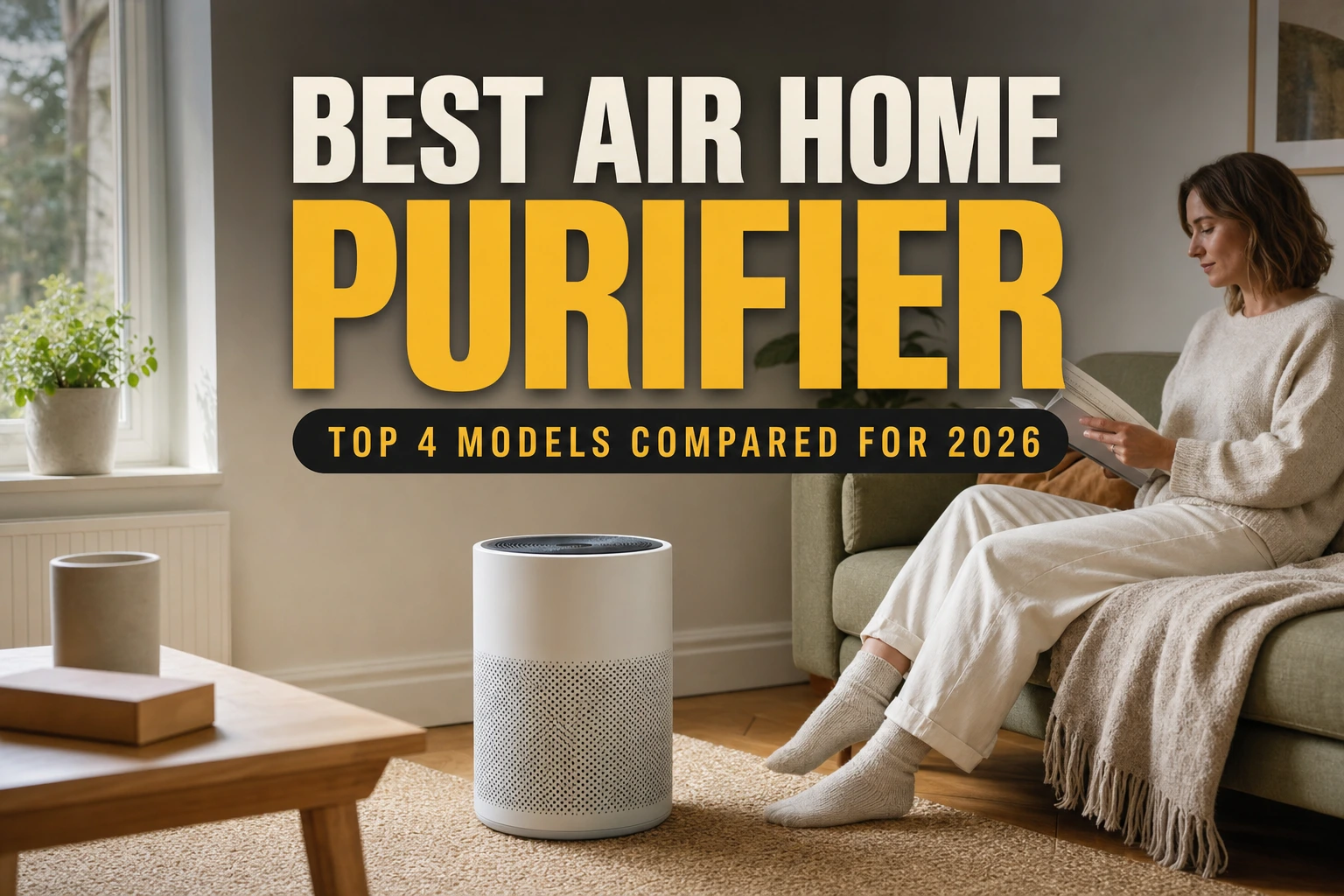
For a structured look at capacity and filtration options, see the Best Home Air Purifiers: Top 4 Models Compared for 2026. Compare specifications against your room and intended use rather than choosing solely by appearance or broad coverage language.
When You Should Save Your Money Instead
These machines are not universal problem-solvers, and some households may find them unnecessary. If you have no identifiable airborne-particle concern, you may notice little practical difference. Where outdoor conditions are suitable, ventilation and regular cleaning may address general stuffiness more directly.
You should also avoid treating a purifier as a solution to structural moisture or mold. While filtration can catch some airborne spores, it cannot stop mold from growing on damp drywall, carpets or other materials. The moisture source and affected materials need appropriate attention.
Similarly, portable purifiers have limits with heavy, established odors such as stale smoke or deep pet stains. Activated carbon may reduce some airborne gases, but results depend on the amount of carbon, airflow, pollutant and filter condition. Cleaning or removing the odor source remains essential.
Finally, do not purchase a unit if you expect it to function as a cooling device or a vacuum. These machines do not provide air conditioning, nor do they collect large debris, hair, or dust that has already landed on the floor. They also do not replace source control, extractor fans or routine housekeeping.
Which Type of Purifier Should You Choose?
When shopping for a unit, you will encounter several technologies suited to different household goals. Choosing the right mechanism depends on what you want to remove from your air.
- Particle capture: Mechanical filters are intended to trap particles such as dust, pollen and dander as air passes through them.
- Odor reduction: Activated carbon can adsorb some gases and odors, but its usefulness depends on the carbon quantity and condition.
- Maintenance effort: Replaceable filters require recurring purchases, while washable pre-filters need regular cleaning.
- Noise output: Fan speed, unit size and design affect sound, so compare specifications for the setting you expect to use.
For many households, a mechanical particle filter paired with activated carbon is a straightforward option because each layer has a distinct purpose. Review the manufacturer’s instructions and avoid assuming that every purifier addresses particles, odors and gases equally well.
Before making a final choice, review the top four home air purifiers compared for 2026. This guide can help you compare models against your room size and filtration priorities. Ultimately, an air purifier is a worthwhile purchase if you have a clear air-quality issue, select suitable capacity and accept the maintenance involved.
Frequently asked
Sources
As an Amazon Associate I earn from qualifying purchases. This does not affect the price you pay. Affiliate disclosure