
Are Pokémon Card Bundles Worth Buying in 2026?
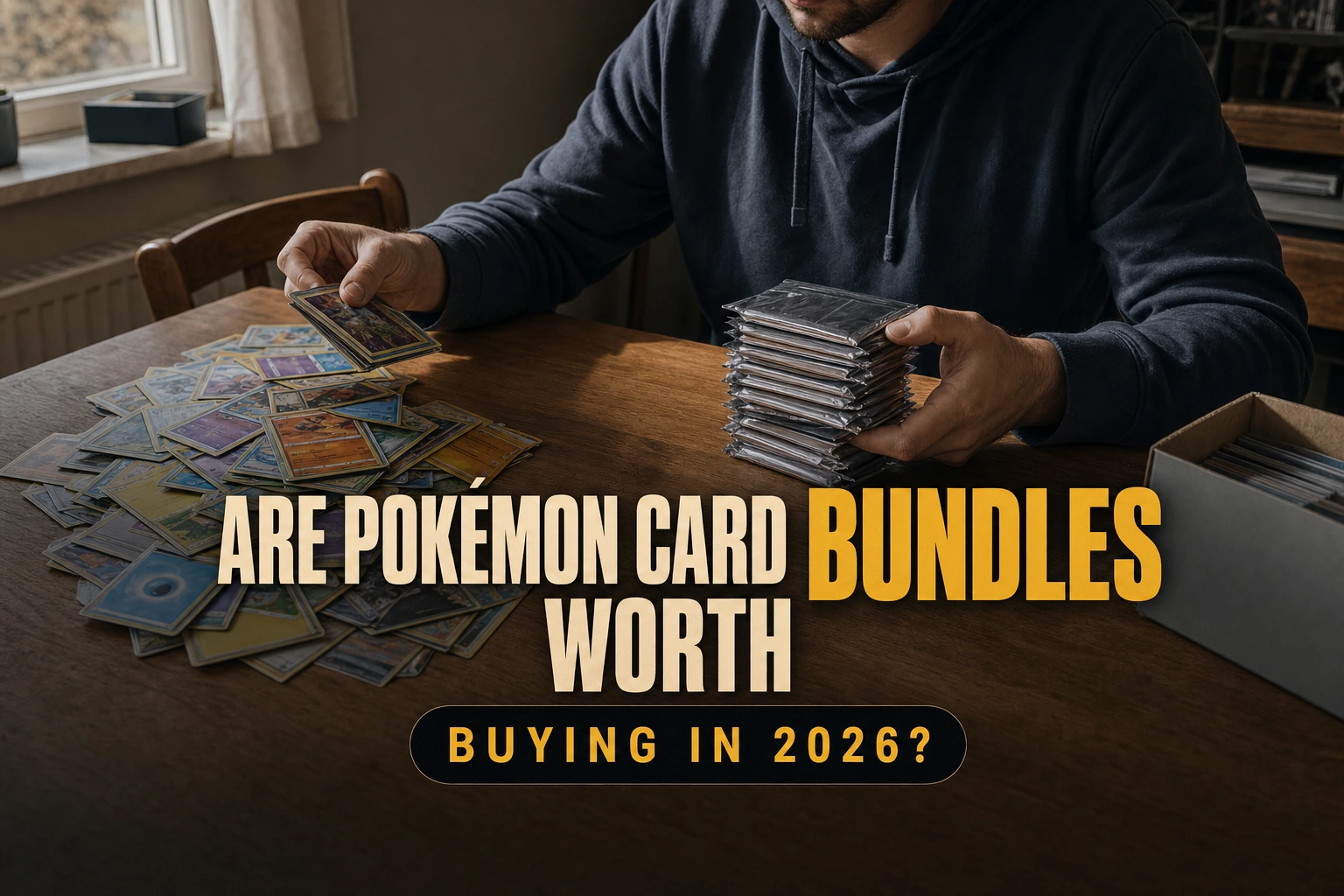
Pokémon card bundles can be worth buying in 2026 when the format matches your goal. Official sealed bundles suit pack opening, while third-party bulk lots suit casual collecting and deck-building.
This article is informational and does not place shopping buttons in the story. Related buying guides may include affiliate links.
As an Amazon Associate I earn from qualifying purchases. This does not affect the price you pay. Affiliate disclosure
On this page9 sections
- 1The short answer
- 2Are Pokémon Card Bundles Worth Buying in 2026?
- 3Official Booster Bundles and Third-Party Lots Explained
- 4When a Sealed Booster Bundle Makes Sense
- 5Official Bundles vs Third-Party Repacks
- 6How to Evaluate a Pokémon Card Bundle
- 7Risks of Custom Online Card Lots
- 8Choose a Bundle That Matches Your Goal
- 9Frequently asked
The short answer
- Official booster bundles offer the best balance of cost-per-pack without paying for extra plastic accessories.
- Third-party bulk lots are excellent for young children or casual play but lack valuable chase cards.
- Always inspect seller ratings and pack seals to avoid resealed or heavily searched product bundles.
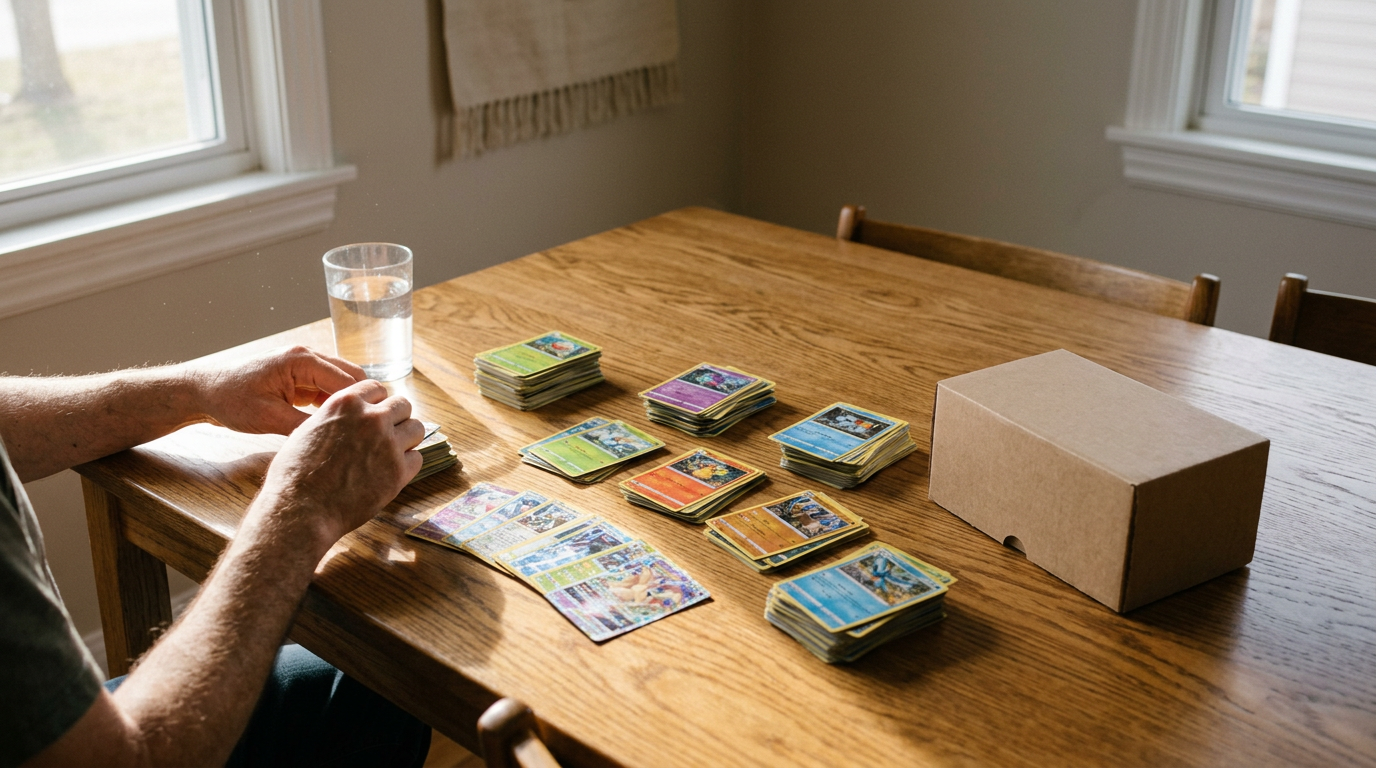
Pokémon card bundles are worth buying in 2026 if you want several sealed packs or an inexpensive supply of cards for casual play. They are less suitable if you need a specific card, expect every bundle to contain something valuable, or cannot verify who assembled the product.
The key is to distinguish an official booster bundle from a third-party bulk card lot. Official products contain sealed booster packs; custom lots contain cards selected and packaged by a seller. That difference affects condition, predictability and the type of value you receive.
Treat a bundle as entertainment or a practical source of cards rather than a reliable investment. Check the contents, seller and packaging, then compare the format with your collecting or playing goal before buying.
The quick version
- Read the full contents list
- Check the expansion names and languages
- Inspect packaging information
- Review the seller and return terms
- Ignore vague value language
Are Pokémon Card Bundles Worth Buying in 2026?
The short answer is yes for pack opening, casual collecting or building a broad card pool—but not for finding one particular card. An official sealed booster bundle gives you multiple randomized packs without the accessories included in some larger boxed products. It can be a sensible format if you want the opening experience and will be satisfied even when the contents do not match your wish list.
A third-party bundle has a different purpose. It may offer many loose cards for sorting, trading, crafts or beginner deck-building, but the seller determines what goes into it. Do not assume that a large card count means strong collectible value. If your goal is a named card, buying that card individually is generally more direct than opening randomized packs or purchasing an unspecified lot.
The deciding question is therefore not simply whether bundles are worthwhile. It is whether the bundle type matches what you want from the hobby.
Official Booster Bundles and Third-Party Lots Explained
The term bundle is used loosely in the trading card hobby, and this confusion often leads to bad purchases. An official booster bundle is a product directly manufactured and sealed by the publisher, containing multiple booster packs. These are designed to give players and collectors packs to open without the extra dice, sleeves or cardboard storage found in larger products such as Elite Trainer Boxes. They are compact, easy to store, and focus on the pack-opening experience.
On the other side of the market are custom, third-party bundles compiled by independent sellers or retail liquidators. These frequently contain loose, unsorted bulk cards and may be described as having limited duplicates or an included number of foil cards. Read those descriptions literally and confirm exactly what is promised.
Official bundles contain factory-sealed randomized packs, while reseller bundles contain inventory chosen by a third party. That distinction matters more than the number of cards pictured on the listing. For a comparison of common sealed formats, see our Pokémon card bundle guide.
 See the picks in our buying guide
When a Sealed Booster Bundle Makes Sense
For collectors who enjoy opening fresh packs, official booster bundles provide a middle ground between buying one pack and committing to a larger sealed box. By leaving out accessories, they keep the emphasis on the cards. That can be useful if you already own sleeves, dice and storage, or if you simply do not want duplicate accessories accumulating at home.
However, a sealed bundle does not promise a rare or valuable pull. Booster contents are randomized, and one opening can differ sharply from another. Judge the purchase by the number and set of packs included, packaging condition and your enjoyment of opening them—not by an assumed return.
Before choosing a format, compare the pack count and included extras rather than relying on the product name alone. Our comparison of three Pokémon card bundles can help explain how bundle-style products differ. A compact sealed product can also be easier to store or give as a gift, provided the recipient enjoys randomized packs.
Official Bundles vs Third-Party Repacks
Official and third-party bundles serve different audiences. An official product is suited to someone who wants unopened packs from a named expansion. A third-party lot may suit a young collector, casual player or crafter who mainly wants a large assortment and does not expect sought-after cards.
- Contents: Official bundles list the enclosed packs; custom lots depend on the seller's description.
- Selection: Sealed packs are randomized, while a reseller can choose every loose card in a repack.
- Condition: Sealed packs reduce handling before opening. Loose cards may have wear, so check the stated condition.
- Duplicates: Bulk lots can contain repeated cards unless the listing sets a clear limit.
- Use: Official bundles emphasize opening and collecting; bulk lots emphasize quantity, sorting and casual play.
Neither category is automatically right for every buyer. Choose official sealed products if packaging integrity and randomized packs matter most. Choose a bulk lot only when its exact description, condition and intended use make sense without depending on a surprise high-value card.
How to Evaluate a Pokémon Card Bundle
Before buying, perform a quick evaluation so that the listing and your expectations match. Start by identifying who made or assembled the bundle. Official branding and set information indicate a sealed retail product; generic packaging usually indicates a third-party lot.
- Read the full contents list. Confirm whether the product includes sealed packs, loose cards, accessories or a mixture.
- Check the expansion names and languages. Make sure they fit your collection and that the listing does not rely on unclear stock photographs.
- Inspect packaging information. For sealed products, look for clear images showing intact wrapping and edges. For loose cards, look for condition notes.
- Review the seller and return terms. Pay particular attention to repeated reports of missing contents, damaged packaging or items that differed from the description.
- Ignore vague value language. Terms such as “mystery,” “rare” or “vintage” do not identify the exact cards or their condition.
If the listing leaves basic questions unanswered, choose a more transparent option. The Pokémon card bundle comparison guide offers a useful framework for comparing clearly identified products.
Risks of Custom Online Card Lots
The secondary market includes listings that promise a mix of rarity levels or older cards, but custom repackaged bundles require more scrutiny because the seller controls the selection. A high card count can consist largely of common cards, duplicates or cards from sets you do not collect. An included foil card may still be easy to obtain, and words such as “rare” can refer to a printed rarity rather than market demand.
Condition is another concern. Loose cards may have edge wear, scratches, bends or marks that are difficult to see in group photographs. Counterfeit cards can also appear in unverified lots, whether through poor inspection or deliberate misrepresentation. Ask for clear descriptions and avoid assuming authenticity from a listing title.
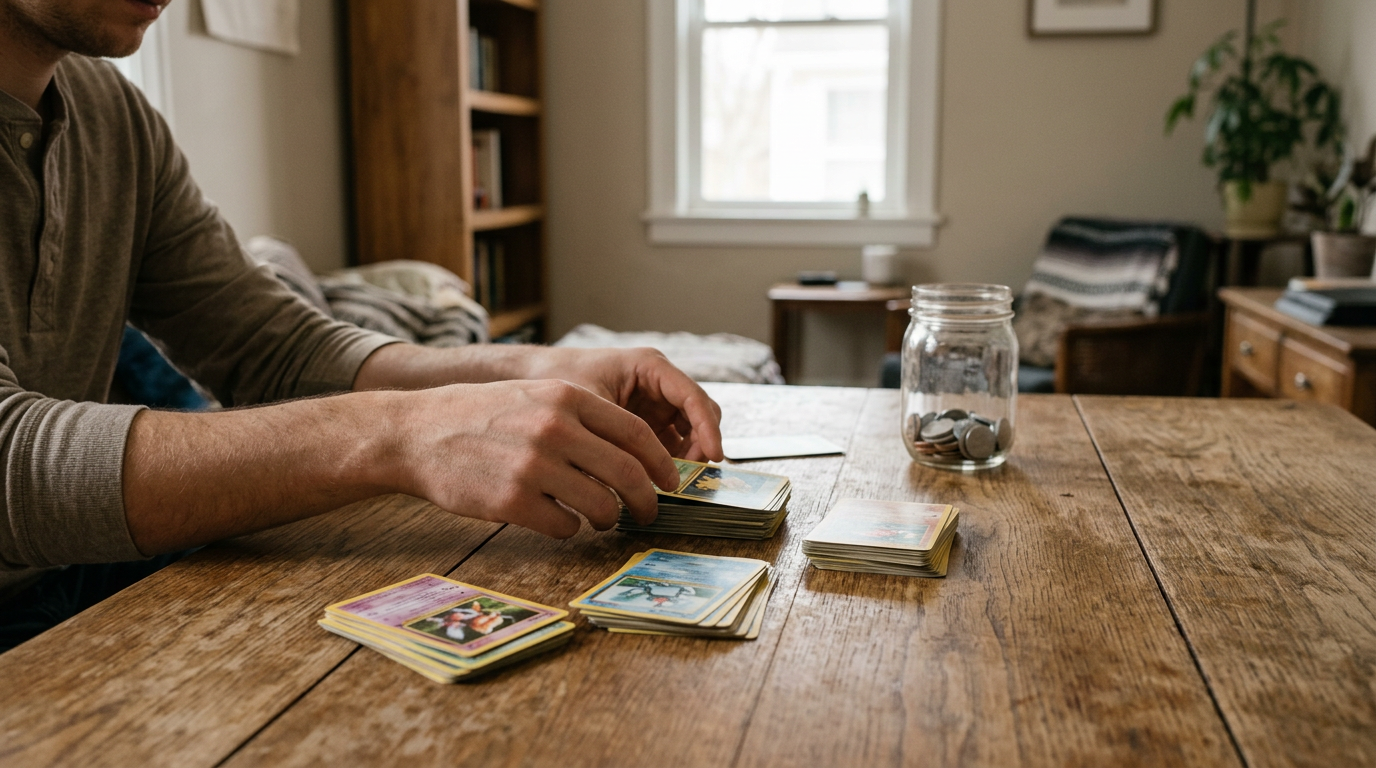
Custom lots can still be useful for teaching the game, filling casual decks, making crafts or giving a beginner many cards to sort. They become poor purchases when their appeal depends on an unspecified chase card, resale value or claims that cannot be checked before ordering.
Choose a Bundle That Matches Your Goal
The right choice depends on who will open the cards and what they want from the experience. If you are a player who needs a wide variety of basic cards for casual decks, a high-count bulk bundle can help fill out a card pool. Check that it includes useful card types and that duplicates will not undermine that purpose.
If you enjoy new-set artwork and the uncertainty of opening packs, an official sealed bundle is usually the clearer choice. It provides identified packs in compact packaging without requiring you to buy accessories you may already own. Still, randomized packs are entertainment, not a dependable way to obtain a particular collectible.
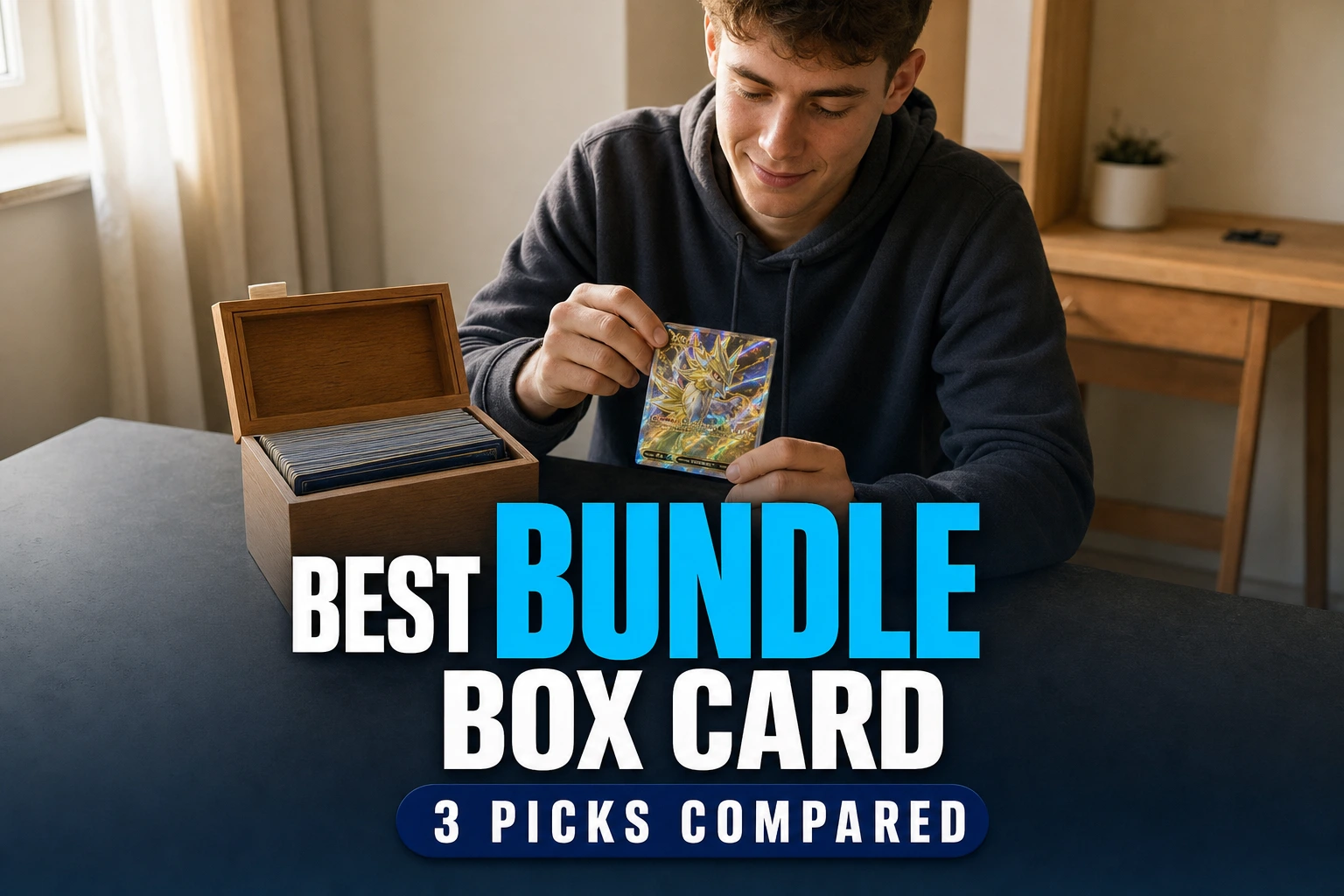
For a set-specific collection or competitive deck, make a card list first. Singles may be more direct because you can choose the exact card, printing, language and condition. For help comparing sealed options before deciding, read Best Pokémon Card Bundles: 3 Picks Compared. The most worthwhile purchase is the one whose stated contents satisfy your goal without relying on an unlikely surprise.
Frequently asked
As an Amazon Associate I earn from qualifying purchases. This does not affect the price you pay. Affiliate disclosure