
Can You Use Fireflies.ai for Commercial Work?
Using Fireflies.ai for commercial work requires selecting the right subscription tier to protect proprietary client data and secure intellectual property rights.

Some links are affiliate links: we may earn a commission if you sign up or buy through them, at no extra cost to you.
On this page8 sections
- 1The short answer
- 2Understanding Ownership and Intellectual Property Rights
- 3How Data Sharing and Model Training Affect Commercial Privacy
- 4Essential Compliance Standards for Professional Use
- 5Step-by-Step Guide to Securing Your Meeting Settings
- 6Comparing the Free Tier and Paid Business Plans
- 7Which Subscription Tier Should You Pick?
- 8Frequently asked
The short answer
- Commercial work is allowed across all plans, but free tiers lack advanced privacy protections.
- Paid subscriptions offer complete data training opt-outs to secure proprietary client information.
- Enterprise tiers are required for specialized compliance frameworks like HIPAA and dedicated cloud hosting.
Yes, you can use Fireflies.ai for commercial work, but your ability to protect confidential client data depends entirely on your subscription tier. While the platform allows commercial usage across all tiers, free plans do not offer the robust data privacy protections required for sensitive business operations.
When integrating an automated transcription tool into your daily business operations, understanding the intellectual property policies and data sovereignty rules is critical. If you are recording client consultations, product strategy sessions, or proprietary sales pitches, you need to know who owns the transcripts and where that data resides. Using the wrong settings could accidentally expose sensitive details to third-party model training.
To make an informed decision for your business, you should read our comprehensive Fireflies.ai Review: Is It the Best AI Teammate in 2026? to see how the software performs under real-world workloads. This guide will walk you through the commercial terms, the critical privacy settings you must toggle, and how to stay compliant with standard industry regulations.
The quick version
- adjust your auto-join settings immediately
- Configure your sharing permissions to private
- Submit a formal data opt-out request
- Set up custom vocabulary lists for
- Review your third-party integrations carefully
Understanding Ownership and Intellectual Property Rights
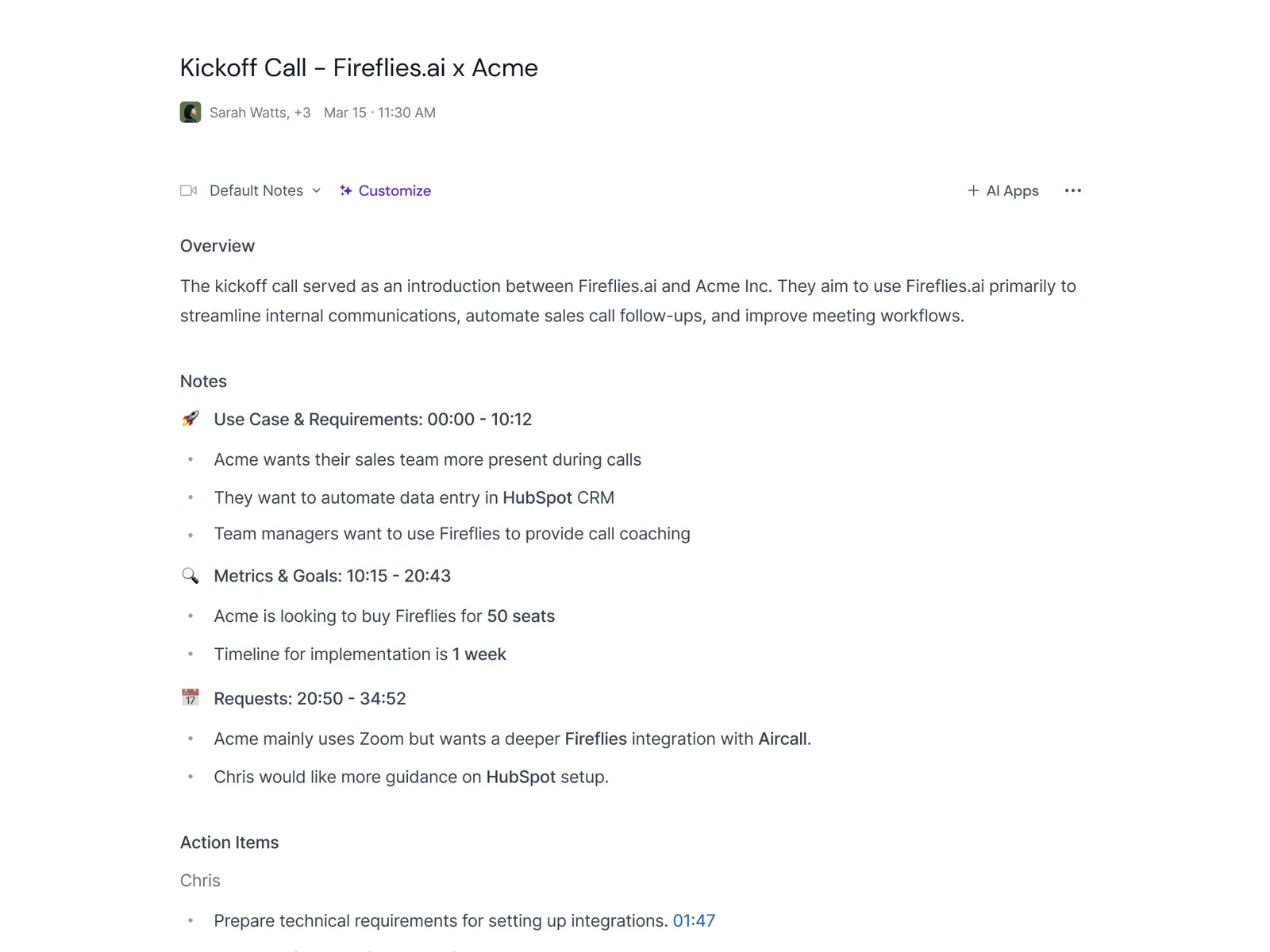
When you generate meeting notes, summaries, or transcripts with an automated tool, ownership of the output is your primary legal concern. Fireflies.ai specifies that you retain the intellectual property rights to the input audio and the generated text outputs. This means you can legally sell, package, or distribute these summaries to your paying clients.
However, this ownership is governed by the terms of service associated with your specific account level. On lower-tier plans, while you still own the text, the platform may retain rights to process your data to improve its services. For strict commercial work, relying on default settings without reading the fine print can create legal grey areas regarding client confidentiality.
Protecting customer data is not just about legal compliance; it is about maintaining trust with your commercial clients.
Businesses must ensure that their client agreements permit the use of automated transcription tools in the first place. Even if the software vendor grants you full ownership of the output, your clients might have strict non-disclosure agreements that prevent third-party bots from entering the virtual conference room.
How Data Sharing and Model Training Affect Commercial Privacy
The most critical difference between using this tool for personal organization and using it for paid commercial work is how your data is treated. Under standard terms, many AI utilities use customer inputs to train their natural language models. If your meetings contain proprietary source code, financial projections, or trade secrets, allowing this training is a liability.
To protect your commercial interests, you must look into the platform's data opt-out policies. Paid tiers offer options to prevent your meeting audio and text from being used to train future AI iterations. Utilizing these settings ensures that your business intelligence remains entirely within your company's virtual walls and is never leaked through other users' prompts.
Enterprise-level users receive additional guarantees, including dedicated storage options and isolated data environments. If you are operating in highly regulated fields like law, finance, or healthcare, standard consumer terms are rarely sufficient. We detail these corporate-level security features in our Fireflies.ai Review: Is It the Best AI Teammate in 2026? to help you choose the right tier.
Essential Compliance Standards for Professional Use
Professional service providers must adhere to national and international compliance frameworks when handling corporate data. The platform maintains SOC 2 Type II certification, which demonstrates a high standard of organizational security and system confidentiality. This standard is generally sufficient for standard B2B services, SaaS consulting, and general agency work.
For European clients, compliance with the General Data Protection Regulation (GDPR) is non-negotiable. You must ensure that you have a signed Data Processing Addendum (DPA) with the service provider before processing the personal data of European citizens. Without this legal agreement, using the bot to record client interviews could result in severe regulatory penalties.
Healthcare professionals face even stricter hurdles under HIPAA regulations in the United States. Standard plans do not automatically sign Business Associate Agreements (BAAs). If you plan to transcribe patient consultations or medical notes, you must coordinate directly with the enterprise sales team to secure a BAA, or risk violating federal privacy laws.
Step-by-Step Guide to Securing Your Meeting Settings
Before inviting any automated assistant to a live client call, you must configure your dashboard to prevent unauthorized recordings or accidental data exposure. Standard out-of-the-box settings are designed for convenience rather than strict commercial privacy. Following a deliberate setup routine will help safeguard your professional relationships.
- adjust your auto-join settings immediately. Change the default setting from joining all calendar events to only joining meetings that you explicitly invite the assistant to join.
- Configure your sharing permissions to private. Set the default sharing option so that meeting recaps are only sent to you rather than everyone on the calendar invite.
- Submit a formal data opt-out request. Navigate to the privacy dashboard or contact support to ensure your meeting data is excluded from machine learning training models.
- Set up custom vocabulary lists for your business. Add industry-specific terms, client names, and proprietary product titles to improve transcription accuracy on technical calls.
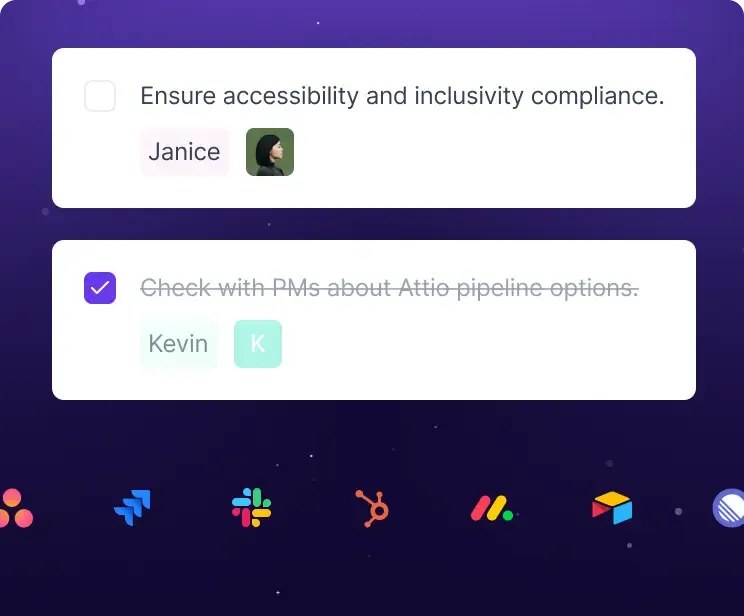
- Review your third-party integrations carefully. Disable any automatic pushing of transcripts to public Slack channels or shared project management boards until you have reviewed the text.
These simple adjustments turn a potentially intrusive tool into a highly controlled business asset. By limiting who receives the auto-generated summaries, you avoid sending internal-only notes to external clients. These steps also prevent the bot from showing up unannounced in sensitive executive sessions.
Comparing the Free Tier and Paid Business Plans
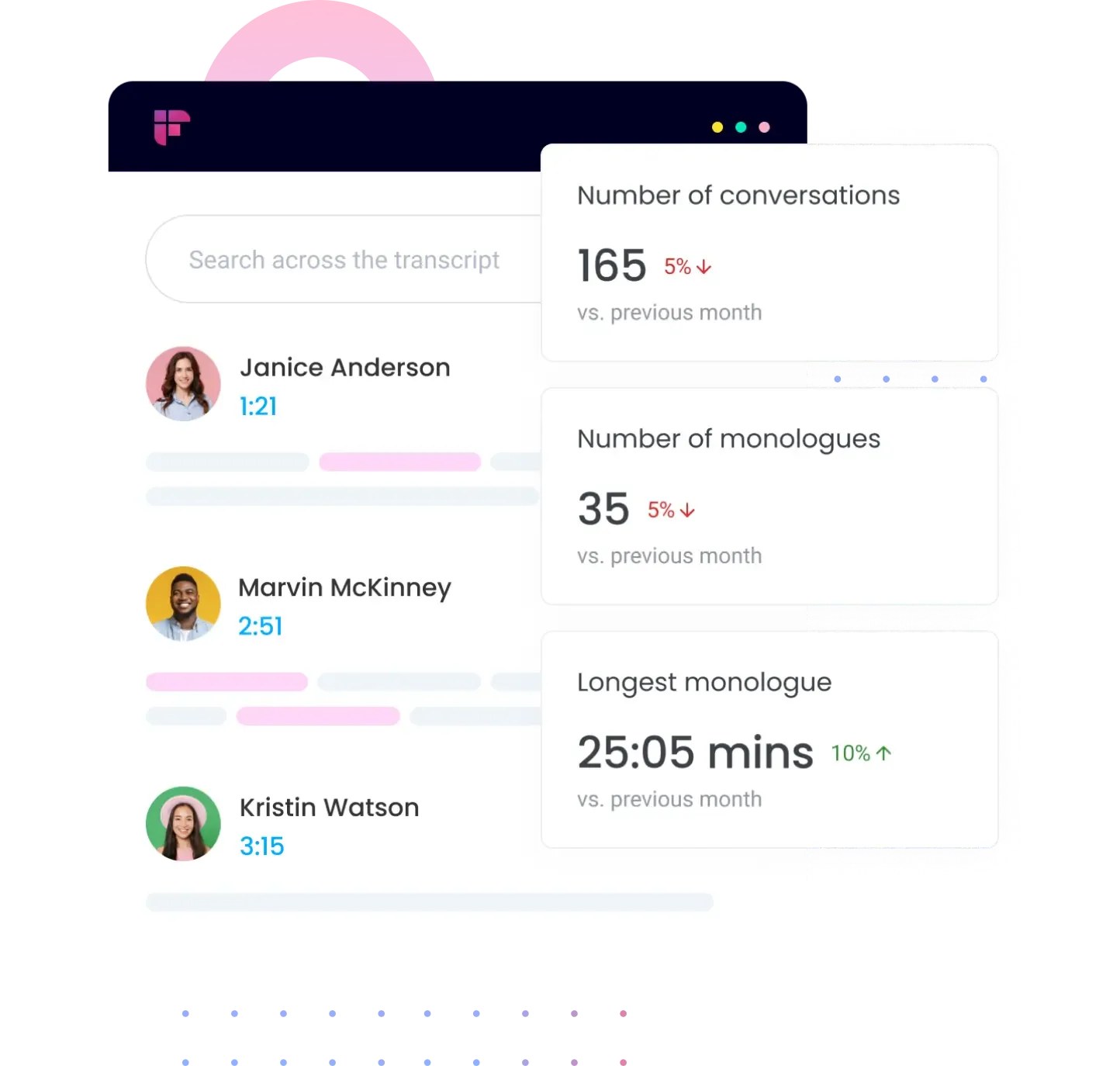
Choosing between the free tier and the paid business plans comes down to balancing cost against corporate security and transcription limits. While the free version allows you to experiment with basic functions, it places major restrictions on storage and advanced search capabilities. For sustained commercial output, the operational differences are stark.
- Storage limits: The free plan offers minimal transcription storage, whereas the business plans provide unlimited storage for archiving years of client consultations.
- Data privacy: The free tier may use your transcribed conversations for model training, while paid business tiers allow you to restrict your data from being used in development.
- AI Search and Summaries: The free option only provides basic keyword searches, whereas the business plan includes advanced AI filters to identify action items and sentiment analysis.
- Integration options: The free version connects only to basic storage drives, while the paid business plans integrate directly with major enterprise CRM platforms and professional communication tools.
For independent contractors managing a handful of client projects, the entry-level paid plan is typically the sweet spot. It provides the necessary data security assurances without forcing you into expensive enterprise contracts. If you want a deeper look at the performance of these paid features, read our Fireflies.ai Review: Is It the Best AI Teammate in 2026? to see how the software fits into professional workflows.
Which Subscription Tier Should You Pick?
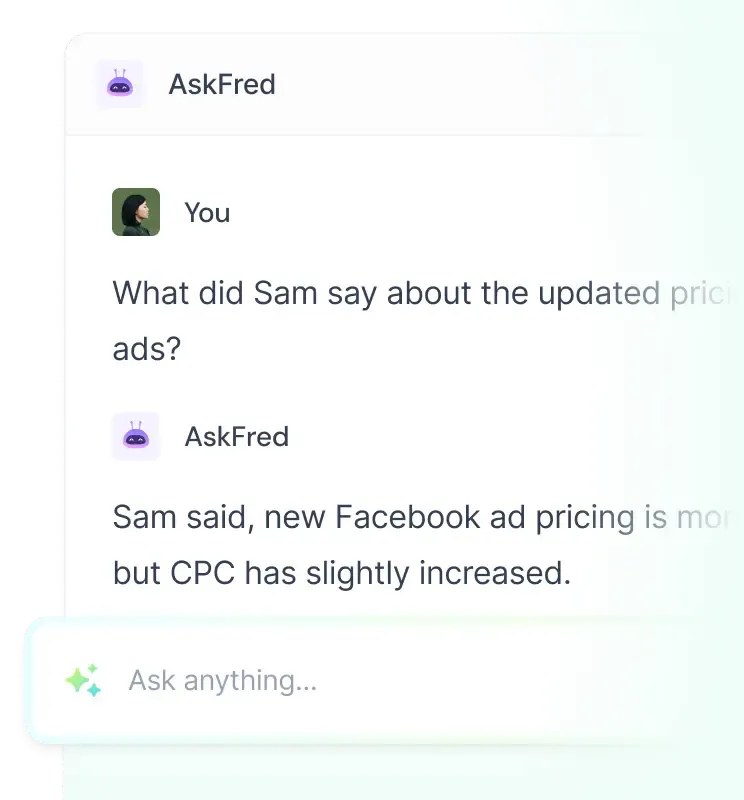
For solo freelancers and boutique consultants, the Business plan is almost always the right starting point. This level grants you complete control over your data privacy, gives you access to custom vocabulary, and provides unlimited transcription minutes so you never run out of capacity mid-month. It avoids the risk of having your proprietary client notes mixed into public training models.
Larger agencies and high-security enterprises should bypass the standard tiers entirely and opt for the Enterprise tier. This level is the only way to secure a dedicated virtual private cloud, customized security policies, and official HIPAA compliance agreements. It is designed specifically for teams that cannot afford even a minor data handling mistake.
The Free plan should only be used for internal testing or low-stakes personal organization. Because it lacks advanced sharing controls and data training opt-outs, relying on it for paid client work introduces unacceptable security risks. Using the free version for commercial clients may ultimately violate your professional duty of confidentiality.
Frequently asked
As an Amazon Associate I earn from qualifying purchases. This does not affect the price you pay. Affiliate disclosure