
How to Choose the Right Home Air Purifier for Your Space
To choose the right home air purifier, match the machine's coverage capacity to your room size and select a true HEPA filter paired with activated carbon.
This article is informational and does not place shopping buttons in the story. Related buying guides may include affiliate links.
As an Amazon Associate I earn from qualifying purchases. This does not affect the price you pay. Affiliate disclosure
On this page9 sections
- 1The short answer
- 2Understanding Clean Air Delivery Rate and Room Size
- 3Decoding Filter Types and What They Actually Trap
- 4Steps to Size and Select Your Air Purifier
- 5Comparing Specialized Filtration Technologies
- 6Calculating the Hidden Costs of Ownership
- 7Which Purifier Configuration Should You Pick?
- 8Frequently asked
- 9Sources
The short answer
- Match the CADR rating to your room's square footage for efficient air cycling.
- Prioritize True HEPA filters for dust and allergens, and carbon for odors.
- Factor in long-term filter replacement costs and electricity usage before buying.
To choose the right home air purifier, match the machine's coverage capacity to your room size and select a unit combining a true HEPA filter with an activated carbon layer to target your specific household pollutants. By focusing on these two critical elements, you can ensure your machine runs efficiently without wasting energy or failing to clean the air. Navigating the sea of fan speeds, clean air metrics, and complex filtration technologies can quickly become overwhelming. However, finding the ideal match does not require a degree in engineering once you break down the core mechanisms of how these household appliances process air. By focusing on how these devices cycle air and trap particles, you can make an informed choice that fits your budget. It helps to review a detailed breakdown like our guide on Best Home Air Purifiers: Top 4 Models Compared for 2026 to see how these principles apply to actual household units.
The quick version
- Measure your target space
- Identify your primary air quality concerns
- Verify the air change rate
- Review the decibel output ratings
- Calculate the annual filter replacement costs
Understanding Clean Air Delivery Rate and Room Size
When shopping, the first specification you will encounter is the Clean Air Delivery Rate, or CADR. This metric measures how quickly an air purifier filters specific pollutants like smoke, dust, and pollen. It indicates the volume of clean air, measured in cubic feet per minute, that the machine can output at its maximum speed setting. Understanding CADR is crucial because it dictates the room size the unit can handle. If you place a machine with a low rating in a large living room, the motor will work continuously without ever successfully cleaning the air. To get the performance you expect, look for a model where the room capacity rating matches your actual room dimensions. Apply the two-thirds rule: the CADR rating of your unit should be at least two-thirds of your room's total square footage. For example, a 150-square-foot room requires a CADR rating of at least 100.
Decoding Filter Types and What They Actually Trap
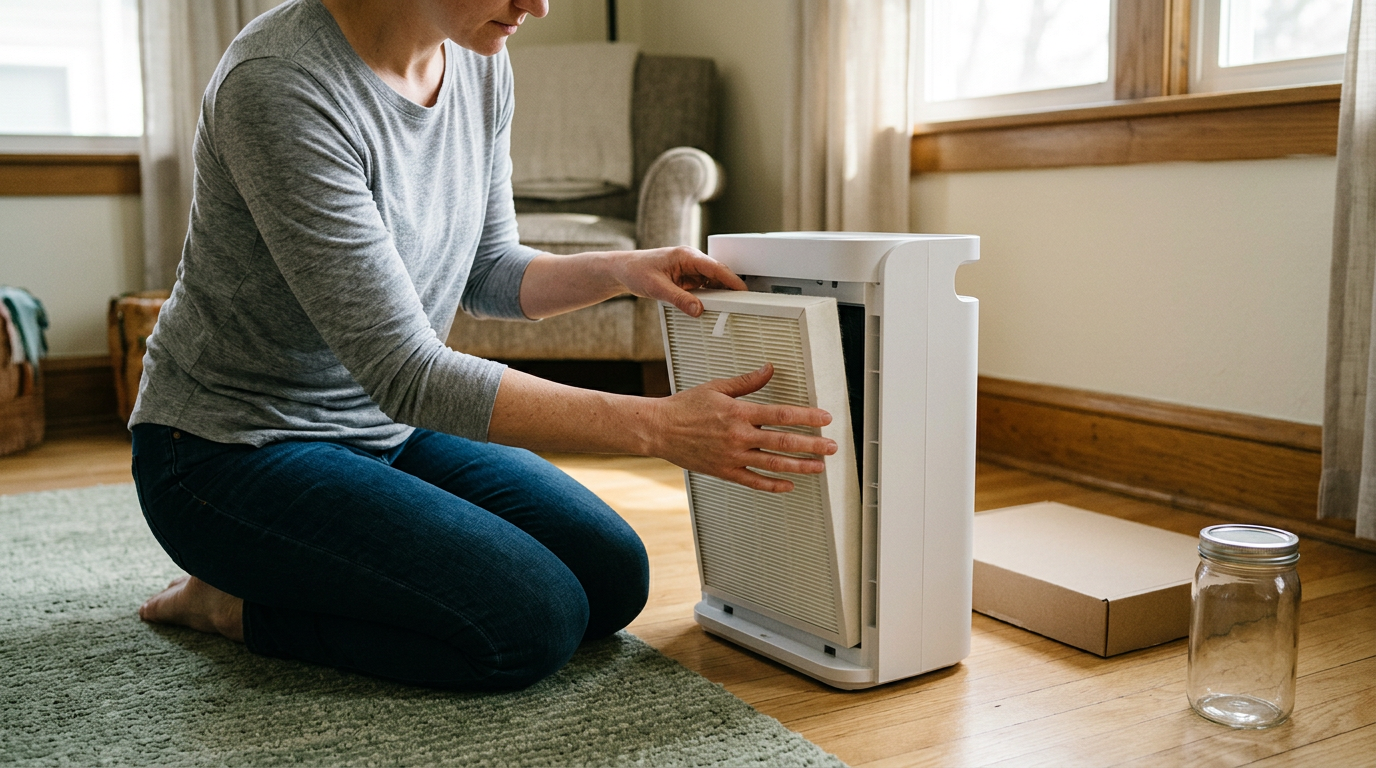
Not all filters are designed to capture the same types of airborne particles. The primary defense in any high-quality purifier is a HEPA filter, which stands for High-Efficiency Particulate Air. A certified "True" HEPA filter captures tiny microscopic particles, including pet dander, mold spores, pollen, and dust mites. Many budget manufacturers label their filters as "HEPA-type" or "HEPA-like." These are marketing terms that indicate the filter does not meet strict residential standards. Opting for these knockoffs often results in smaller particles escaping back into your room. Therefore, you should always insist on a certified True HEPA filter when comparing options. However, HEPA filters cannot trap gases, odors, or volatile organic compounds. For these lighter-than-air molecules, you need a secondary filter layer containing activated carbon. Activated carbon works through adsorption, where gas molecules chemically stick to the highly porous surface of carbon pellets.
 See the picks in our buying guide
Steps to Size and Select Your Air Purifier
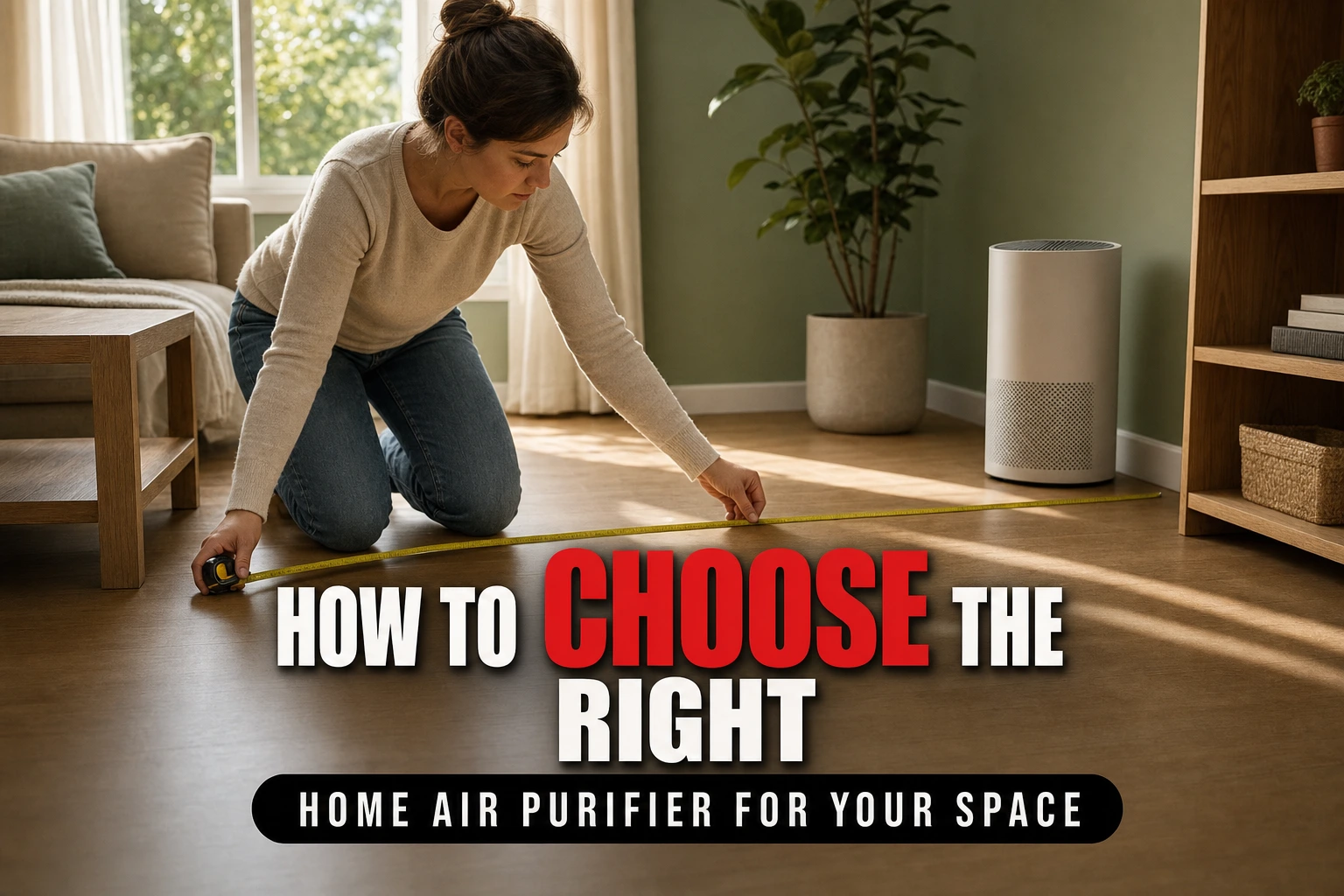
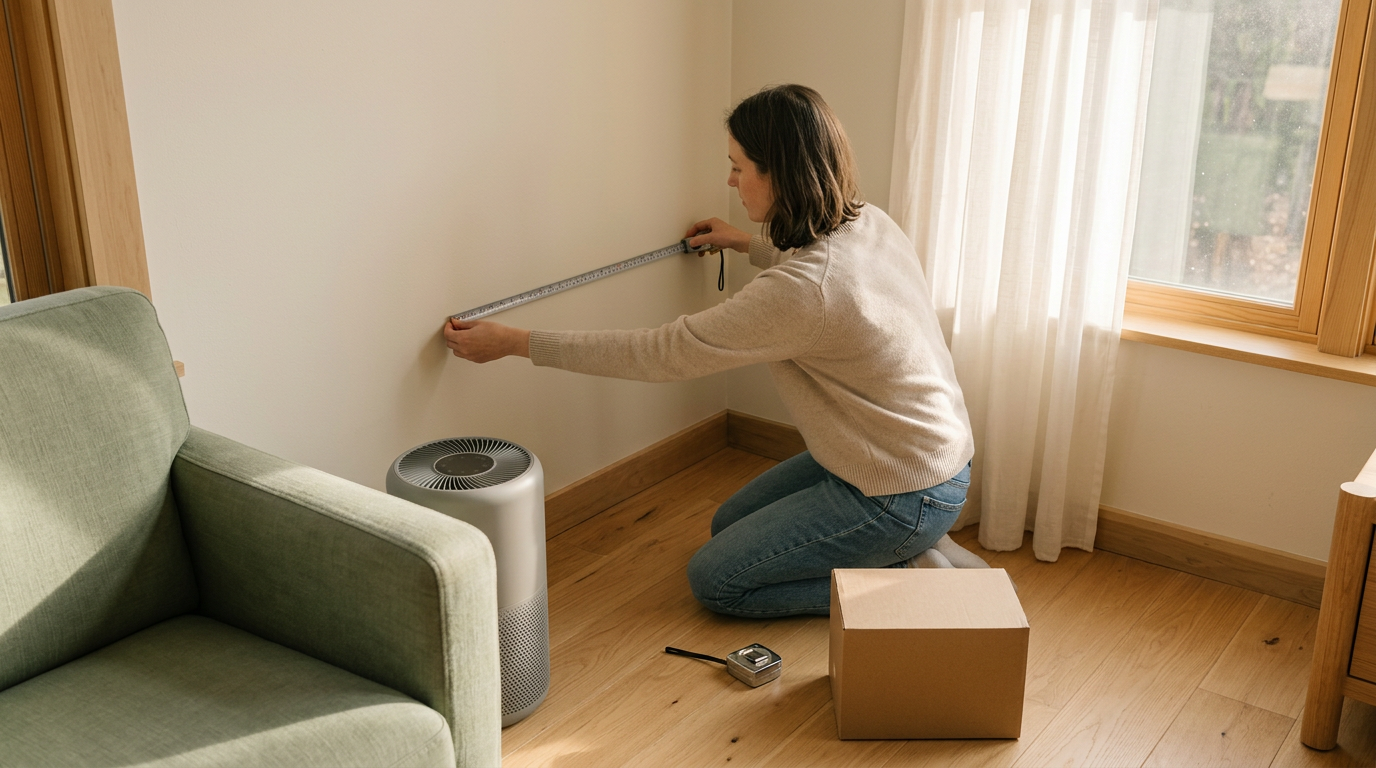
- Measure your target space. Multiply the length of your room by its width in feet to calculate the exact square footage of the area you want to treat.
- Identify your primary air quality concerns. identify your primary air quality concerns to decide if you need to tackle solid particles like dust or focus on neutralizing chemical vapors and cooking smells.
- Verify the air change rate. Check the specifications to ensure the machine can complete at least four air changes per hour in your calculated room size.
- Review the decibel output ratings. Examine noise specifications across all fan speeds so you can select a model that remains quiet enough during its lowest operational settings.
- Calculate the annual filter replacement costs. Look up the prices of genuine replacement filters and compare them to suggested replacement intervals to avoid surprise maintenance bills.
Comparing Specialized Filtration Technologies
Beyond mechanical filters, some purifiers incorporate active technologies like ionizers and UV-C light chambers. Ionizers work by releasing negatively charged ions into the air, making particles heavy so they fall onto floor surfaces. While this removes particles from the air, it does not collect them inside the machine, leaving dusty residue on furniture. Furthermore, some electronic filtration methods can produce ozone as a byproduct. According to health and environmental protection agencies, ozone is a lung irritant that can exacerbate respiratory conditions. For this reason, many homeowners prefer to stick with purely mechanical filtration methods that physically trap pollutants without introducing chemical reactions. UV-C light technology is marketed to destroy mold spores and bacteria. However, for UV-C light to be effective, biological particles must be exposed for a prolonged period. In a fast-moving stream of air, the exposure time is often too brief to achieve significant neutralization. > Using a mechanical filter physically traps particles, ensuring they are permanently removed from your breathing zone without releasing secondary byproducts.
Which Purifier Configuration Should You Pick?
Match the purifier's configuration to the unique environment of the room where it will live. If placing a unit in a bedroom, noise level and light control are top priorities. Look for a model with a dedicated sleep mode with whispering decibel levels and a control panel that allows you to turn off all indicator lights completely. For large, high-traffic spaces like living rooms and kitchens, prioritize air movement and automatic convenience. In these areas, a taller tower unit with a high clean air output and a built-in air quality sensor works best. These units adjust to sudden increases in dust or cooking smoke without requiring manual adjustments. If your main goal is managing pet odors, skip the compact desktop models entirely. Instead, look for a machine equipped with a heavy, pellet-based activated carbon filter. To compare concrete models that fit these profiles, take a look at our detailed breakdown in the Best Home Air Purifiers: Top 4 Models Compared for 2026 to find the ideal unit.
Frequently asked
Sources
As an Amazon Associate I earn from qualifying purchases. This does not affect the price you pay. Affiliate disclosure