
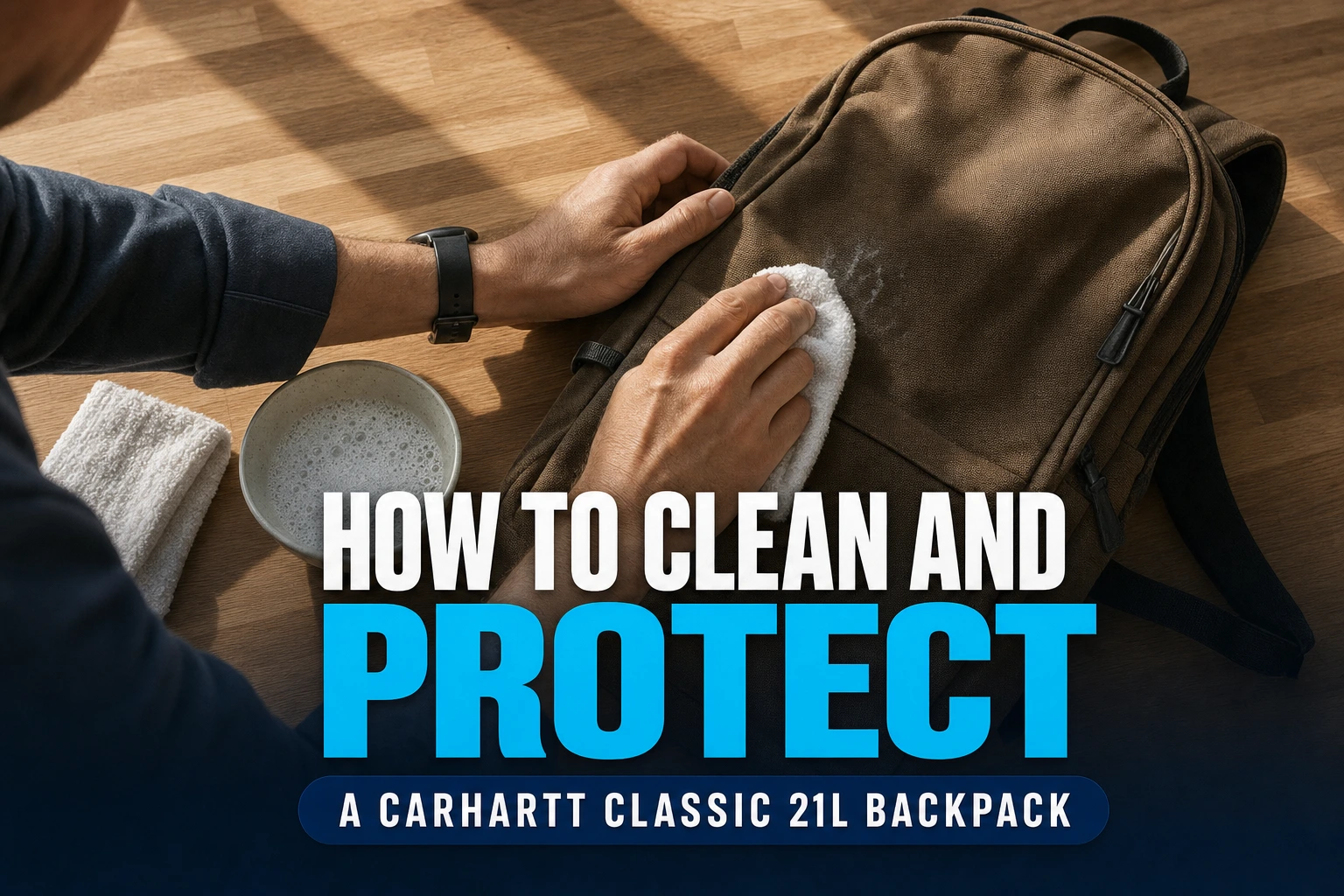
How to Clean and Protect a Carhartt Classic 21L Backpack
Learn how to safely spot clean, wash, dry, and restore the water resistance of your Carhartt Classic 21L backpack to ensure it lasts for years.
This article is informational and does not place shopping buttons in the story. Related buying guides may include affiliate links.
As an Amazon Associate I earn from qualifying purchases. This does not affect the price you pay. Affiliate disclosure
On this page9 sections
- 1The short answer
- 2Understanding the Materials of Your Backpack
- 3Step-by-Step Guide to Safely Wash the Pack
- 4Crucial Drying Guidelines to Avoid Damage
- 5Restoring and Protecting the Water-Resistant Finish
- 6Daily Care Habits and Preventive Maintenance
- 7Spot Cleaning vs Full Washing: Which Method to Choose?
- 8Frequently asked
- 9Sources
The short answer
- Spot clean with mild soap and cold water to protect the synthetic fabric from breaking down.
- Never machine wash or tumble dry your backpack because extreme heat and agitation destroy protective coatings.
- Reapply a spray-on water repellent occasionally to maintain the bag's defense against unexpected rain showers.
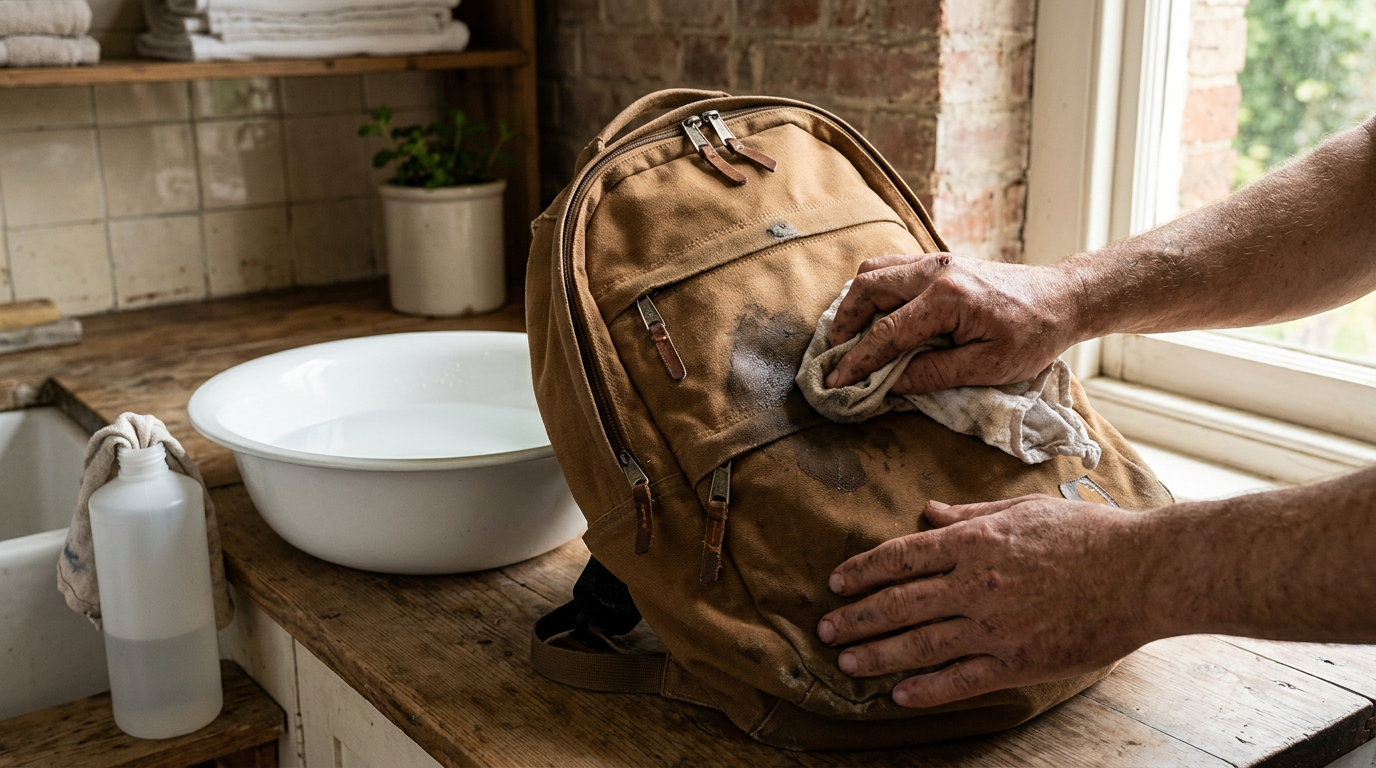
To clean your Carhartt Classic 21L backpack, spot clean it with a damp cloth and mild soap, then let it air dry completely. Never put this bag in a washing machine or tumble dryer, as harsh cycles will damage its protective water-resistant barrier.
While this daily workhorse is designed for rugged environments, its synthetic fibers require gentle care to maintain their structural integrity. Over time, dirt can abrade the fabric yarns, while improper washing can strip away the factory coatings.
If you want to dive deeper into the bag's long-term utility, features, and overall performance, feel free to read our comprehensive Carhartt Classic 21L Backpack Review. For now, let us look at how you can wash, dry, and restore the weather protection on your pack without causing accidental damage.
The quick version
- Empty every compartment completely
- Prepare a lukewarm water bath
- Scrub the fabric gently
- Rinse with clean water
- Absorb excess moisture with a towel
Understanding the Materials of Your Backpack
Your backpack is built using a heavy-duty denier polyester fabric, specifically rated at 600D. This level of thickness provides a sturdy shield against abrasions, tears, and everyday friction. Underneath this rugged exterior lies a thin polyurethane coating that helps prevent water from seeping through the fibers into the main compartment. This construction is highly effective for school, work, and light outdoor tasks.
However, synthetic fabrics and their protective coatings are vulnerable to chemical degradation. Using harsh detergents, bleach, or hot water can dissolve the protective lining, leaving the polyester stiff and prone to cracking. Dirt particles can also act like tiny pieces of sandpaper, wearing down the weave if left unattended for too long.
Understanding these structural limits is the first step toward smart maintenance. Rather than treating your heavy-duty bag like a pair of work pants, you must treat it like outdoor gear. Proper care ensures the fibers remain flexible and the internal backing stays intact for several years of service.
Step-by-Step Guide to Safely Wash the Pack
When your backpack accumulates deep grime or develops an unpleasant odor, a full wash is necessary. This manual washing process is designed to lift stubborn stains while keeping the internal seams and water-resistant backing safe from heavy machine agitation. You do not need expensive specialty chemicals; standard household items will work perfectly.
- Empty every compartment completely. Open all zippers and turn the bag upside down over a trash bin to shake out loose debris and dust.
- Prepare a lukewarm water bath. Fill a large basin, tub, or clean sink with cool to lukewarm water and add a few drops of mild dish soap.
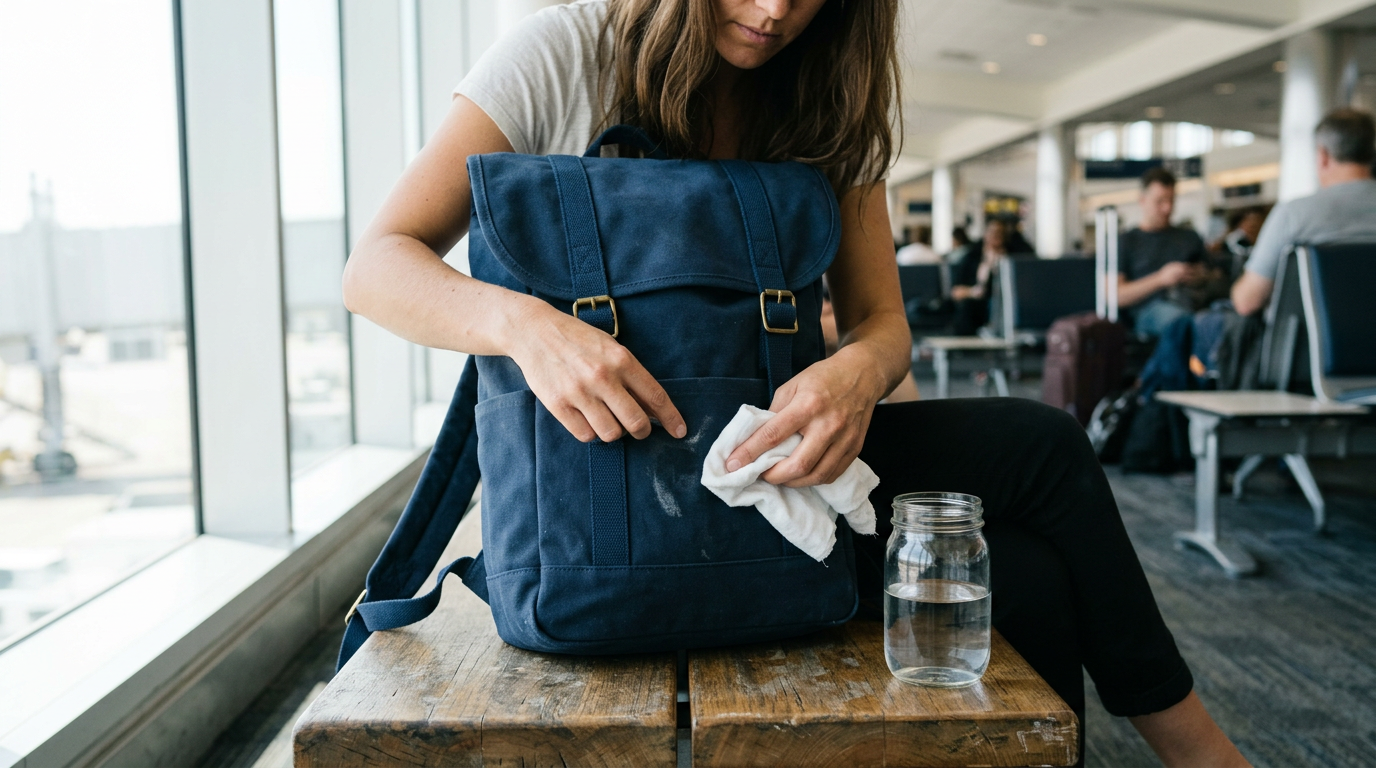
- Scrub the fabric gently. Use a soft-bristled brush or a clean microfiber cloth to scrub dirty areas in a circular motion.
- Rinse with clean water. Wipe away all soap residue with a fresh sponge dipped in cold, clean water to prevent stiff spots.
- Absorb excess moisture with a towel. Press a clean bath towel inside and outside the bag to soak up pooled water without wringing the fabric.
By following this careful sequence, you protect the structural stitching around the shoulder straps and zippers. Harsh washing machine cycles can bend the zipper teeth or rip the mesh pockets, which is why hand washing remains the safest approach.
 See the picks in our buying guide
Crucial Drying Guidelines to Avoid Damage
Once your backpack is clean and thoroughly rinsed, the drying phase is where many people accidentally ruin their gear. Never put your Carhartt pack into a mechanical clothes dryer, even on a low-heat setting. The intensive tumble action combined with heating elements can melt the internal lining, warp the zippers, and shrink the synthetic polyester fibers.
Instead, you must let the backpack dry naturally in a well-ventilated area. Hang the bag upside down by its bottom straps or loop it over a hanger with all the compartments unzipped. This position allows gravity to pull any remaining water out of the bottom seams and pockets rather than letting it pool inside.
Remember to always dry your backpack in a shaded, well-ventilated area away from direct sunlight. Intense ultraviolet rays from the sun can fade the classic Carhartt colors and break down the fabric's integrity over time. A shaded patio, a laundry room with a fan, or a breezy garage is the ideal location for air drying.
It can take anywhere from 12 to 24 hours for the heavy polyester fabric to dry completely. Do not pack any items or store the bag away in a closet until it is bone-dry to avoid mold.
Restoring and Protecting the Water-Resistant Finish
The Carhartt Classic 21L backpack leaves the factory with a water-resistant coating designed to shed light rain. However, friction, dirt, and washing will eventually wear this barrier down. If you notice that rainwater is soaking directly into the fabric rather than forming beads and rolling off, it is time to reapply a protective layer.
To restore this performance, you can use a spray-on DWR treatment designed specifically for outdoor polyester gear. Ensure the backpack is completely clean and dry before you begin the application process. Any dirt trapped underneath the spray will prevent the treatment from bonding correctly with the fibers.
Hang the bag in a well-ventilated space and spray the exterior fabric evenly from about six inches [15 cm] away. Pay special attention to high-wear areas like the top shoulder yoke, the bottom panel, and the zipper flaps. Wipe away any excess spray runs with a damp cloth, then let the bag cure according to the product's directions.
Daily Care Habits and Preventive Maintenance
The easiest way to keep your backpack looking clean is to establish a few simple maintenance habits. Try to avoid placing your bag directly on wet, muddy, or greasy ground whenever possible. Hanging your pack on a hook or resting it on a clean shelf prevents most stains from ever forming in the first place.
When minor spills or dirt patches happen, tackle the stain immediately with a damp microfiber cloth. Spot cleaning right away prevents dirt from embedding itself deep within the 600D polyester fibers. This quick action can save you from having to perform a laborious full hand wash later on.
Do not forget to maintain the hardware on your bag. Dirt can easily get trapped inside the zipper teeth, causing them to stick or misalign. Periodically wiping down the zippers with a dry toothbrush or applying a tiny amount of zipper wax will keep the sliders moving smoothly and prevent premature failure.
Spot Cleaning vs Full Washing: Which Method to Choose?
Deciding whether to spot clean or fully wash your backpack comes down to the severity of the dirt. Because full immersion washing places more stress on the fabric's internal coatings, it should be reserved as a last resort.
Here is how the two cleaning methods compare in daily use: - Effort: Spot cleaning takes just a couple of minutes, while full hand washing requires soaking, rinsing, and up to a day of drying. - Fabric Wear: Spot cleaning protects the internal linings by keeping them dry, whereas full washing slowly degrades the interior polyurethane coating over time. - Stain Coverage: Spot cleaning is perfect for mud splatters, food drops, and ink marks, while full washing is necessary for removing deep odors, sweat, and mold. - Frequency: limit full deep washes to once or twice a year to protect the material.
If you are still trying to decide if this rugged daily driver matches your commuting style or if you need something with different features, check out our complete Carhartt Classic 21L Backpack Review for a breakdown of its everyday performance.
Frequently asked
Sources

As an Amazon Associate I earn from qualifying purchases. This does not affect the price you pay. Affiliate disclosure