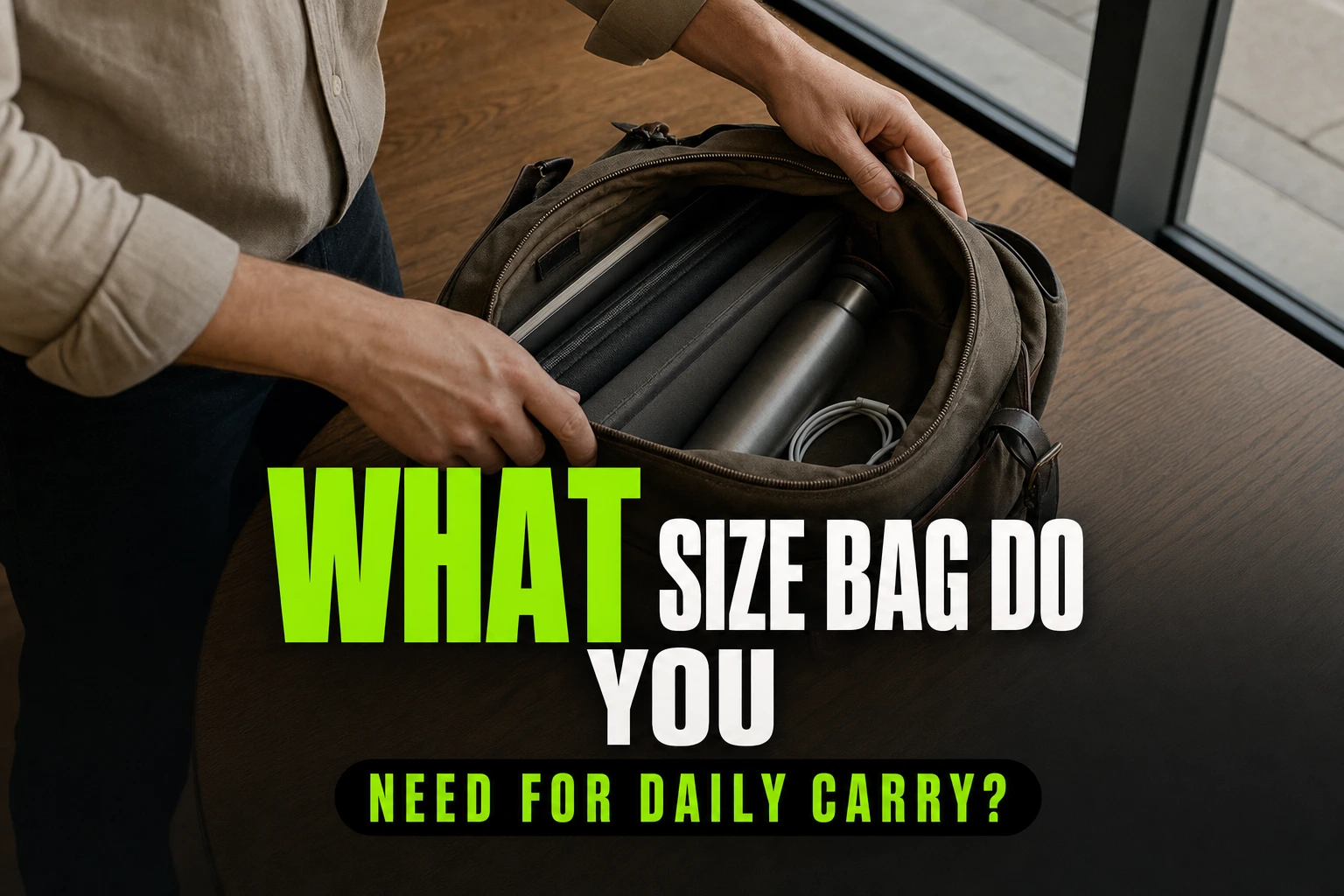
What Size Bag Do You Need for Daily Carry?
Discover the ideal everyday carry bag size, how to calculate your capacity needs, and how to choose between compact, medium, and large daily packs.
This article is informational and does not place shopping buttons in the story. Related buying guides may include affiliate links.
As an Amazon Associate I earn from qualifying purchases. This does not affect the price you pay. Affiliate disclosure
On this page8 sections
The short answer
- Opt for 15 to 25 liters (16 to 26 quarts) for the ideal everyday capacity.
- Choose compact 10 to 14-liter bags for minimal setups without laptops.
- Select 26 to 35-liter packs only if carrying heavy gear or gym clothes.
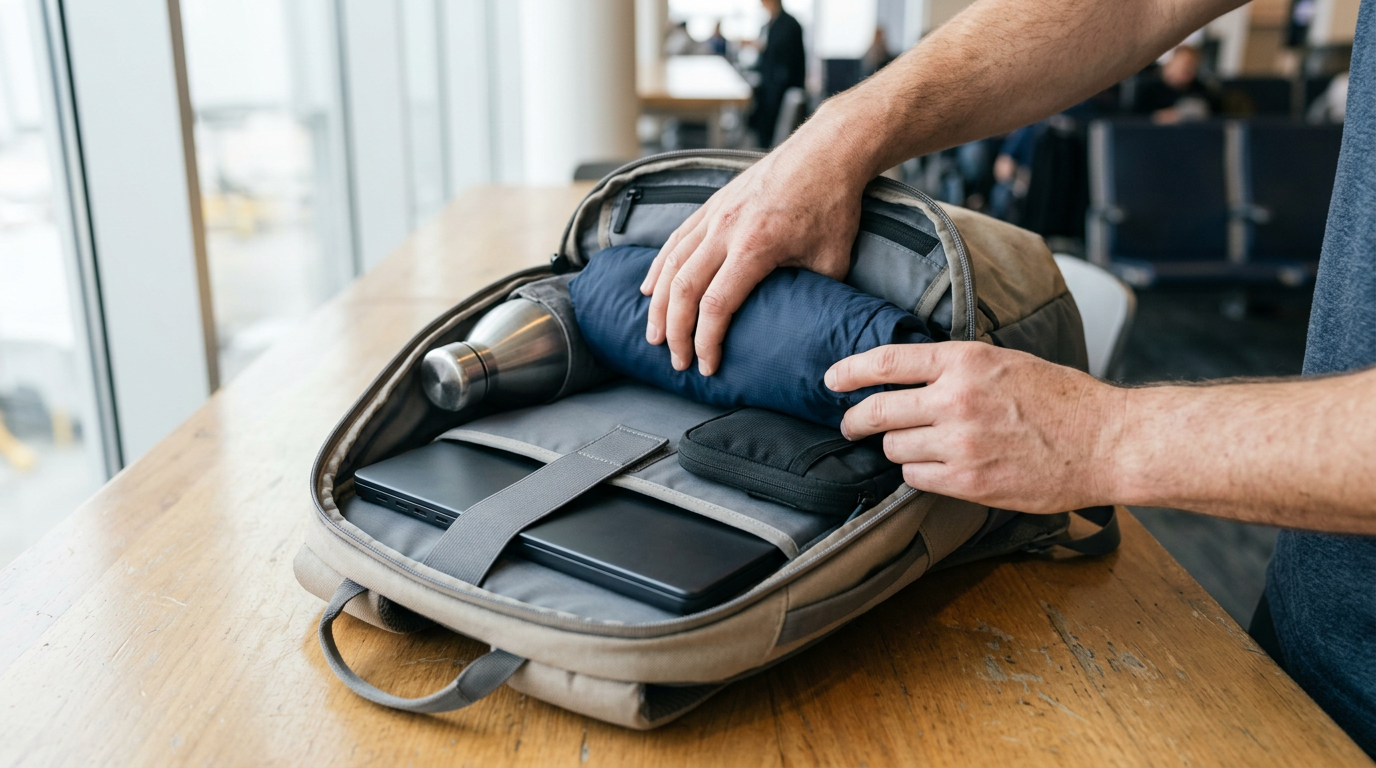
For a versatile daily carry bag, you need a capacity of 15 to 25 liters (about 16 to 26 quarts). This range fits everyday essentials like a laptop, water bottle, charger, and a light layer while remaining comfortable to carry.
Choosing the right size prevents you from hauling empty space or squeezing your gear into a bursting pack. Finding that sweet spot depends heavily on your daily routine, your commute, and what you consider essential.
A bag that is too large becomes a heavy anchor, while one that is too small forces you to leave crucial items behind. Let's break down how to choose the perfect volume and dimensions for your lifestyle.
The quick version
- Gather your absolute daily essentials on
- Measure the length, width, and thickness
- Group your items tightly together to
- Add ten percent extra space for
Understanding Bag Volumes and Capacity
Backpacks and messenger bags are measured by internal volume, usually expressed in liters. To help visualize this in US measurements, one liter is roughly equivalent to 1.05 liquid quarts. A standard 20-liter backpack holds about 21 quarts of total volume, which is the sweet spot for most commuters.
This liter capacity measurement represents the total three-dimensional space inside all compartments combined. However, a bag's shape dictates how usable that volume actually is. A boxy pack can hold stiff items easily, while a teardrop-shaped bag of the same volume might struggle with rectangular books or laptops.
When shopping, always check both the volume and the physical dimensions of the bag in inches. A bag might have a large volume on paper but be too narrow to fit your specific 16-inch laptop. Be sure to measure your largest items before committing to a specific size.
Many manufacturers measure volume differently, with some including open side pockets while others only measure the main zipper compartments. This discrepancy explains why two bags with the exact same listed capacity can feel completely different when packed.
The Three Primary Size Brackets for Daily Use
Everyday carry bags generally fall into three distinct size brackets, each serving different needs. The compact bracket ranges from 10 to 14 liters (about 10.5 to 14.8 quarts). These small bags are excellent for minimalist commuters who only need to carry a tablet, a small notebook, keys, and a compact lunch container.
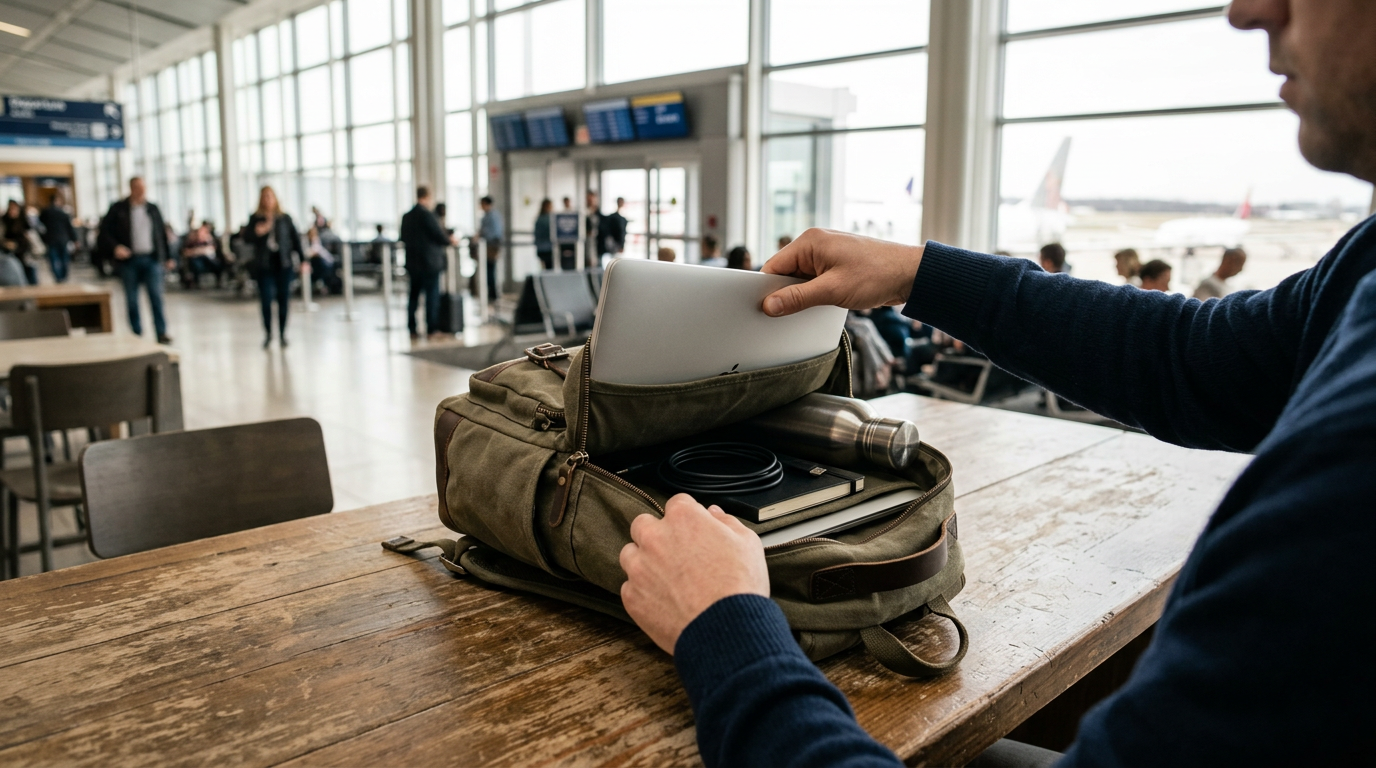
The mid-sized bracket ranges from 15 to 25 liters (about 15.8 to 26.4 quarts) and is the most popular choice. This size class accommodates standard 15-inch laptops, light jackets, water bottles, and tech pouches without bulging. It fits comfortably on public transit and sits easily on your lap.
The large bracket spans 26 to 35 liters (about 27.4 to 37 quarts). Bags in this range are best if you carry specialized gear, like gym shoes, camera equipment, or heavy textbooks. However, these larger packs can feel cumbersome during quick trips and often look overly bulky.
Choosing a bag that is too large often leads to overpacking. When you have extra space, you naturally tend to fill it with items you do not need, which increases the physical strain on your back and shoulders during long walks.
 See the picks in our buying guide
How to Find Your Perfect Bag Size
Finding your ideal size does not have to be a guessing game. By taking the time to assess your daily essentials beforehand, you can accurately estimate the volume you need. Use these steps to determine the perfect capacity for your daily routine.
- Gather your absolute daily essentials on a flat table. Include your laptop, chargers, lunch box, keys, and water bottle.
- Measure the length, width, and thickness of your largest item. This is usually your laptop or a thick binder, which dictates the minimum bag height.
- Group your items tightly together to estimate their combined footprint. You can place them inside an open cardboard box to see how much physical space they occupy.
- Add ten percent extra space for unexpected daily additions. This safety margin allows you to carry an umbrella, a light jacket, or groceries on your way home.
This structured approach prevents you from buying a bag that is too small for your tech or needlessly bulky. It ensures every item has its place without placing undue strain on the zippers.
Important Features That Affect How a Bag Carries
Capacity is only one part of the equation; how a bag distributes weight is just as critical. A poorly designed 20-liter bag can feel heavier than a well-engineered 30-liter pack. Look for a robust harness system with padded shoulder straps and an ergonomic back panel.
Pockets and organization panels also play a massive role in how spacious a bag feels. Built-in tech sleeves, water bottle pockets, and quick-access top pockets prevent your gear from pooling at the bottom. This structure allows you to use every cubic inch of volume efficiently.
Fabric durability is measured by its denier rating, which indicates the thickness of the individual threads. A higher denier rating means a tougher, more water-resistant exterior that can handle daily wear. Look for materials like nylon or polyester to protect your belongings from light rain and rough pavement.
Additionally, look for bags with external compression straps. These straps allow you to cinch down the bag when it is only half full, keeping the weight close to your body and preventing your items from shifting around as you walk.
How Daily Carry Bags Compare to Travel Bags
It is easy to confuse a large everyday backpack with a dedicated travel bag. Daily carry bags are optimized for quick access, organization, and a slim profile for commuting. Travel bags, on the other hand, prioritize maximum packing space for clothing and personal items.
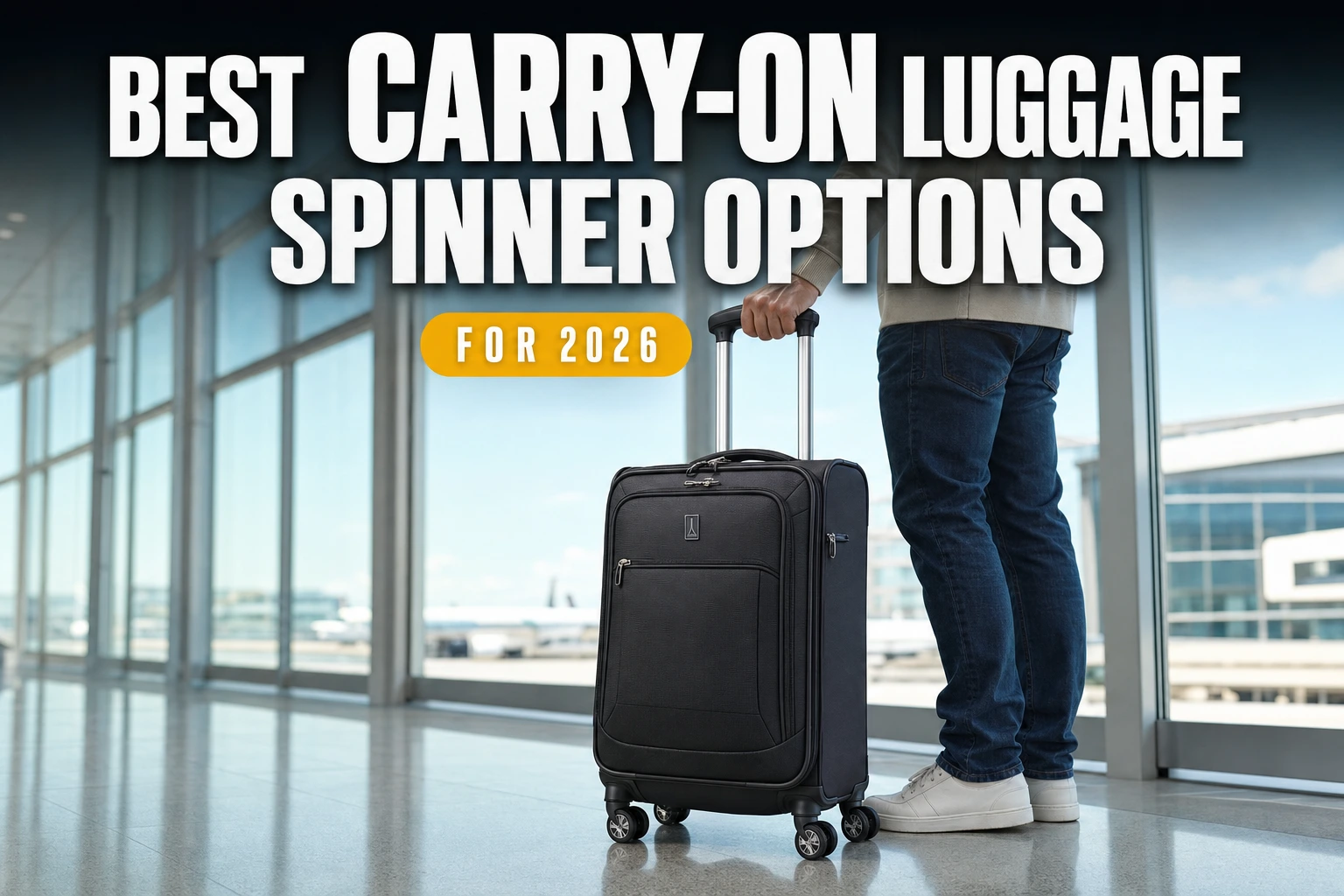
If you find yourself needing a bag for weekend trips, you might want a separate piece of luggage. For airline travel, a rolling option is often more convenient than a massive backpack. You can explore the Best Carry-On Luggage Spinner Options for 2026 to find luggage designed specifically for overhead bins.
Using a dedicated spinner suitcase for trips keeps your daily backpack light and unburdened by heavy clothing. This separation ensures your daily commute remains comfortable and clutter-free. When planning longer trips, pairing a small daily backpack with one of the Best Carry-On Luggage Spinner Options for 2026 creates an effortless travel experience.
A dedicated travel bag typically lacks the specialized, quick-access pockets needed for daily office items. Attempting to use a travel bag for daily errands usually results in a frustrating experience of digging through a cavernous main compartment to find a single pen or set of keys.
Deciding Which Bag Size Fits Your Routine
To choose the right size, you must match your bag to your daily environment and commute style. If your daily journey involves walking long distances or riding a crowded subway, a slim 15 to 18-liter bag is ideal. It keeps your profile narrow and prevents you from bumping into other passengers.
For those who drive to work or have a dedicated office desk, a 20 to 24-liter bag offers more flexibility. This size allows you to pack a lunch container, gym clothes, and a water bottle without struggle. It is the most versatile option for modern hybrid work schedules.
If you are a student or someone who carries physical files, textbooks, and lunch daily, go with a 25-liter pack. This size handles heavy loads while still offering enough structural support to distribute weight evenly across your shoulders. Always prioritize comfort and organization over raw capacity.
Ultimately, there is no single perfect bag size for everyone, but starting with a clear understanding of your loadout ensures you make the right choice. Assess your routine, measure your items, and select a pack that fits your daily life without weighing you down.
Frequently asked
As an Amazon Associate I earn from qualifying purchases. This does not affect the price you pay. Affiliate disclosure