How to Use ElevenLabs Voices for Commercial Projects Legally
Understand ElevenLabs' licensing rules, subscription tier requirements, and attribution terms before publishing synthetic voiceovers for profit.
Some links are affiliate links: we may earn a commission if you sign up or buy through them, at no extra cost to you.
On this page8 sections
- 1The short answer
- 2The Core Difference Between Free and Paid Licenses
- 3What Counts as Commercial Use under ElevenLabs Terms
- 4How to Verify Voice Library Licenses and Permissions
- 5The Rules for Professional and Instant Voice Cloning
- 6How to Configure and Confirm Your License in the Dashboard
- 7ElevenLabs vs Competitors: Which Licensing Model is Best?
- 8Frequently asked
The short answer
- Paid plans grant full commercial licenses, allowing you to monetize audio without legal complications.
- Free tier audio requires attribution and cannot be used for any profit-generating or business purpose.
- Custom voice clones and voice library selections have distinct licensing rules depending on the creator settings.
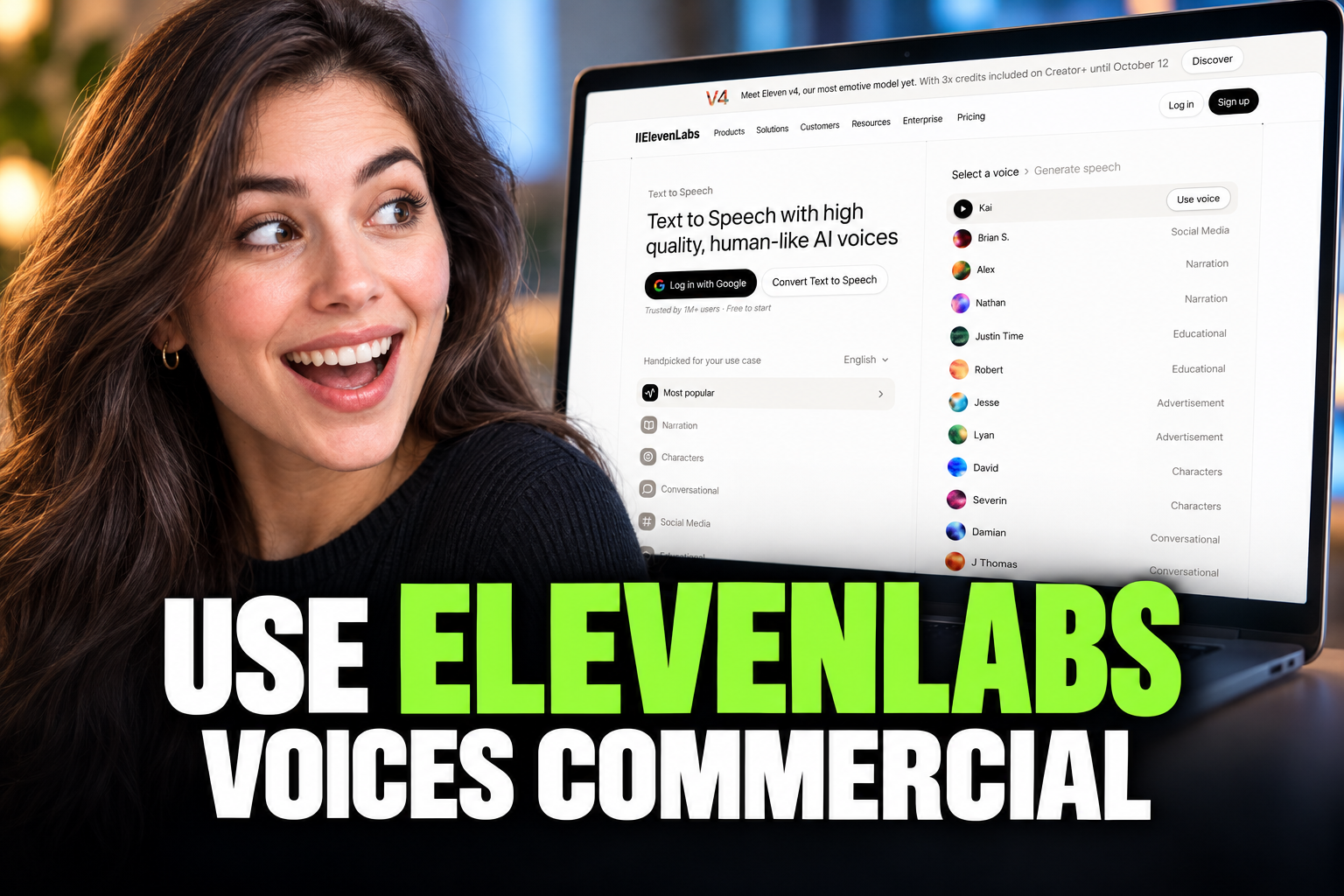
Yes, you can use ElevenLabs for commercial work, but you must subscribe to a paid plan to do so. The platform's free tier strictly prohibits commercial distribution of any generated audio files.
Using synthetic voices for monetization, business advertisements, or public video narration requires a clear understanding of your subscription tier. If you stay on the free tier, any published work requires you to credit the platform, and you cannot generate revenue from it. Upgrading to a paid plan instantly removes these restrictions and provides you with the legal rights to use your creations in commercial ventures.
Navigating these terms of service is essential to avoid potential copyright strikes or service termination. In this guide, we break down how the licensing system works, how to configure your account for commercial use, and how to verify if a specific voice in their library is cleared for business applications.
The quick version
- Select your target plan
- Upgrade your billing details
- Audit your active voice list
- Render your final text
- Download and archive your generation history
The Core Difference Between Free and Paid Licenses
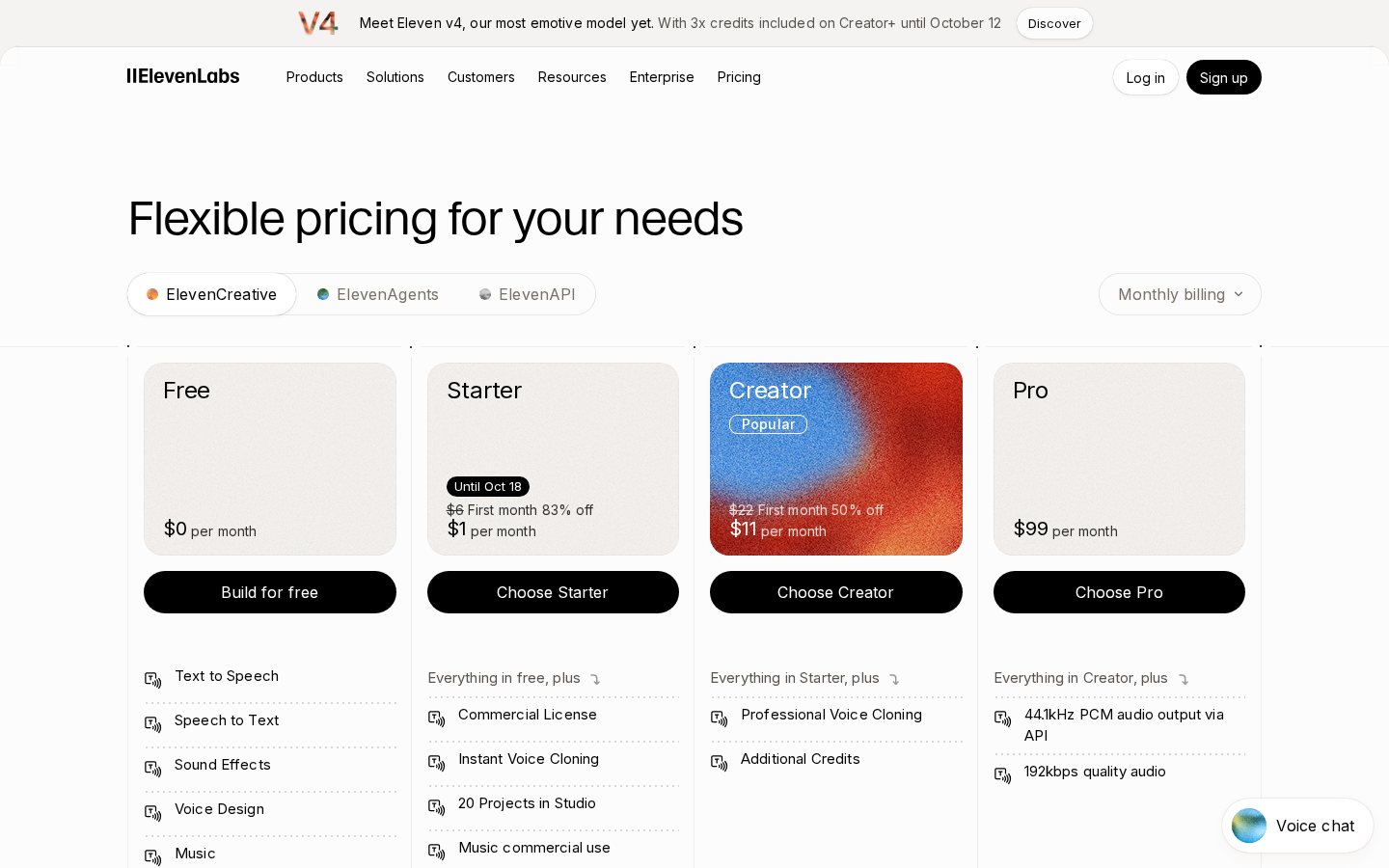
The dividing line between personal and commercial use on ElevenLabs is defined entirely by your active subscription tier. If you generate audio files while using the free tier, the platform owns the legal distribution rights for commercial purposes, meaning you cannot monetize that output. To remove this block, you must select an upgraded tier, which automatically issues a commercial license for all files generated during your active subscription period.
For creators publishing on YouTube, producing audio books, or running podcast advertisements, a paid tier is non-negotiable. Using free-tier assets in these environments violates the platform's terms of service and can lead to content takedowns. For more context on these tiers, you can read our ElevenLabs Review: Pricing, Features and Limitations to find the right entry point for your needs.
Furthermore, the free plan mandates a specific attribution requirement that does not apply to paying members. Free users must clearly link back to the platform's website in their video descriptions or text titles. When you upgrade, paying users bypass this step entirely, securing full ownership over the output without being forced to advertise the tool.
What Counts as Commercial Use under ElevenLabs Terms
Many creators wonder what activities actually trigger the need for a commercial license. ElevenLabs defines commercial use broadly, covering any scenario where audio directly or indirectly supports a revenue-generating activity. This includes video advertisements, monetized social media channels, corporate training materials, paid audio books, and software integrations.
Even if your current project is non-profit, publishing it under a business entity or using it to promote a brand falls under commercial guidelines. For instance, a free podcast that includes sponsor slots or promotional segments must use voices generated under a paid license. The intent to build a brand or market a service is enough to require an upgrade.
On the other hand, non-commercial activities include private testing, school projects, personal presentations, and non-monetized videos that carry the required platform attribution. If you are simply testing the synthetic speech engine to see how it fits your workflow, the free tier is perfectly adequate for experimenting.
How to Verify Voice Library Licenses and Permissions
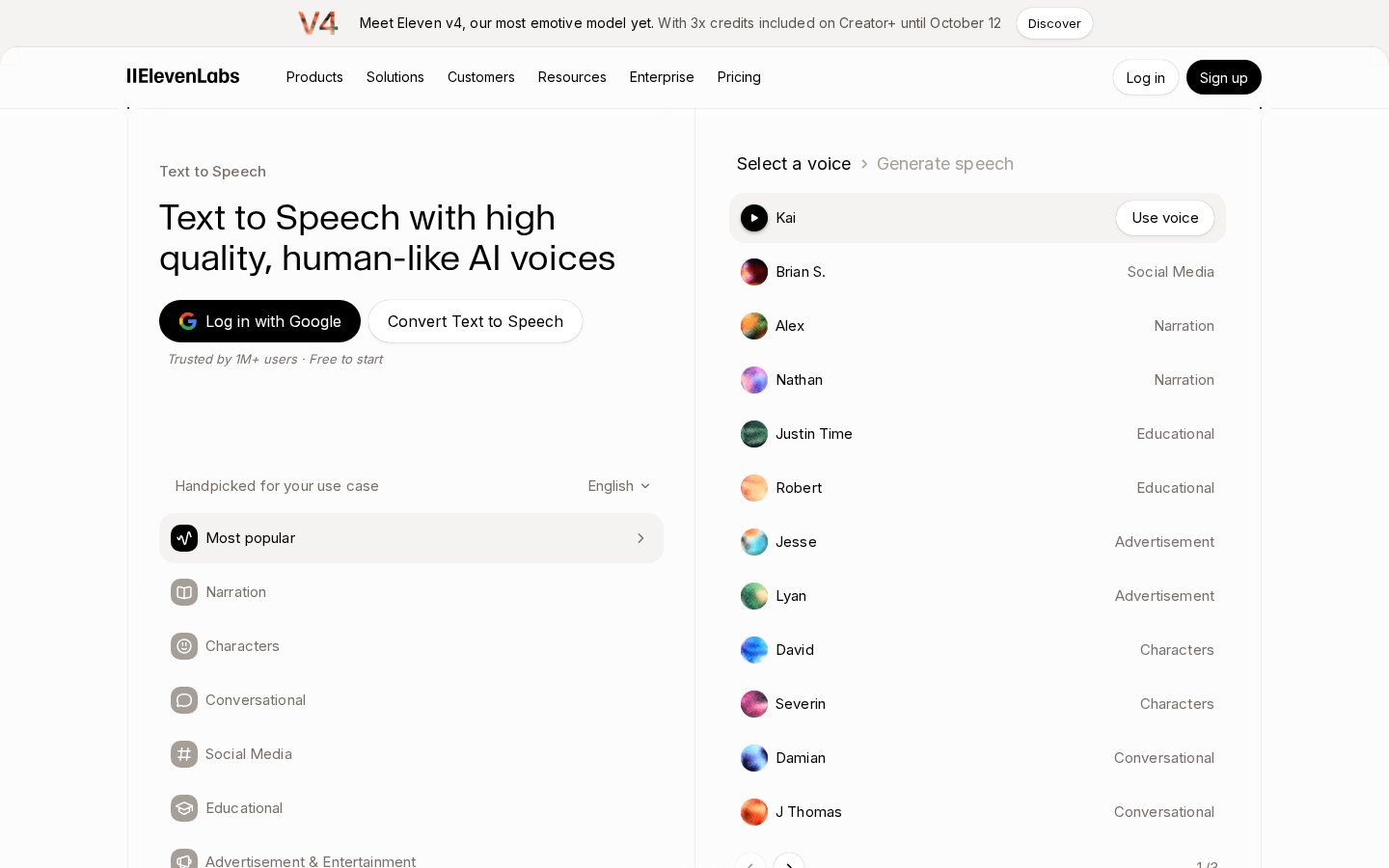
The ElevenLabs platform contains thousands of user-contributed voices in its shared library, but not all of them carry the same commercial rights. When browsing the voice library dashboard, you will find voices categorized by their usage terms. Some creators share their custom models under a free commercial license, while others require a micro-share of your character usage.
Before adding a voice to your active selection, you must check its specific licensing card on the dashboard screen. The interface lists whether the voice is allowed for commercial distribution and if there are any restrictions on the type of content you can produce. Some voice models are restricted from being used in political campaigns or promotional ads.
To ensure your project remains compliant, always verify these cards prior to generating large batches of text. If you accidentally use a restricted voice for a commercial project, you risk having your audio flagged. Ensuring your voice pool matches your target distribution channel saves significant compliance headaches down the road.
The Rules for Professional and Instant Voice Cloning
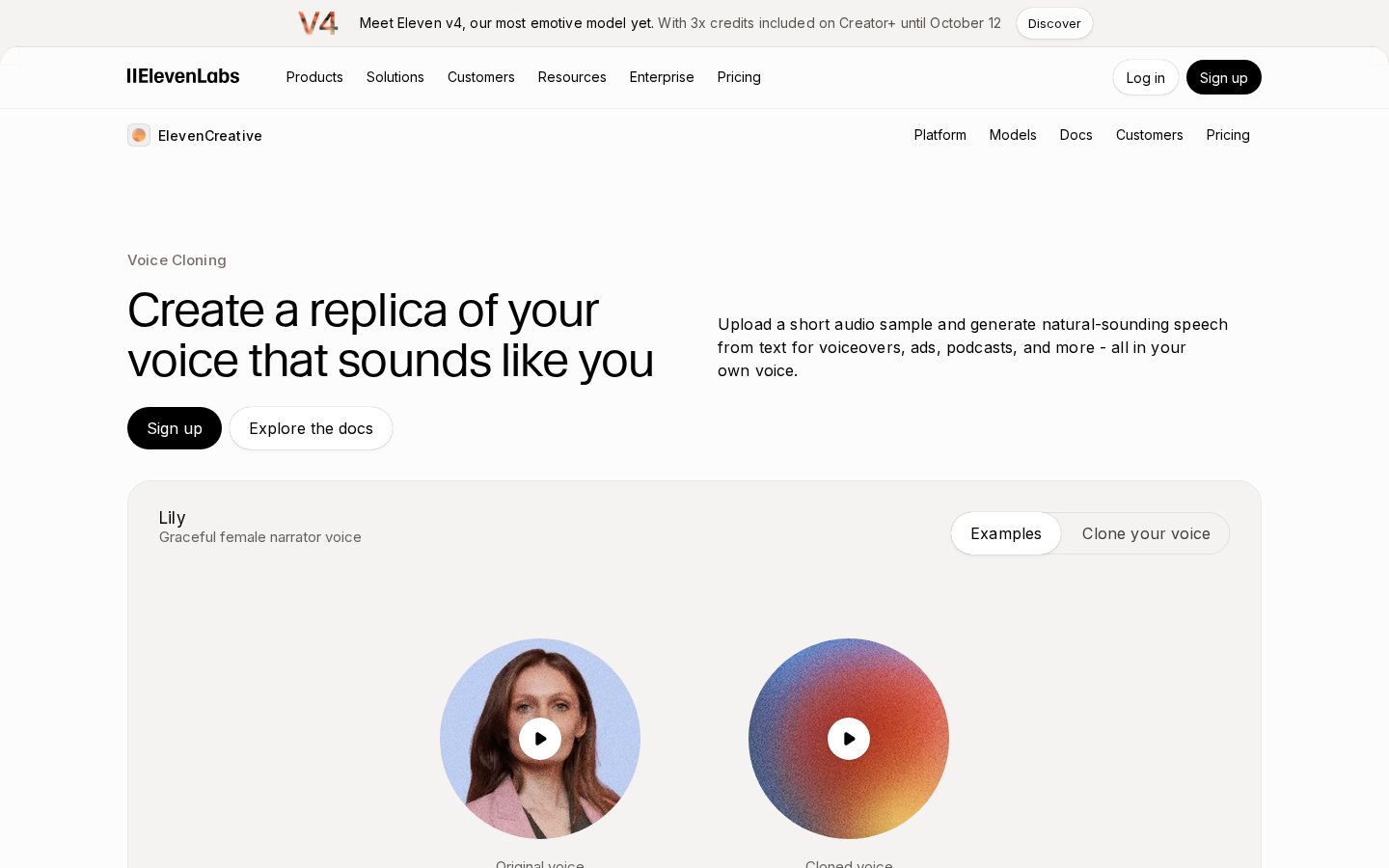
Voice cloning introduces complex legal considerations, especially when dealing with biometric data and intellectual property. ElevenLabs offers two types of cloning: instant voice cloning, which uses a short audio sample, and professional voice cloning, which requires extensive studio recordings. Both features are locked behind different subscription levels and have strict licensing requirements.
If you clone your own voice, you retain the rights to use that clone commercially, provided you are on a paid plan. However, cloning a third party's voice without their explicit written permission is a severe violation of the platform's terms. You cannot legally clone a celebrity, public figure, or friend to use their voice in commercial ads without verifiable consent.
The professional voice cloning feature requires a voice verification step where the speaker must read a specific prompt on screen. This mechanism prevents unauthorized cloning of living individuals for commercial exploitation. For a deeper breakdown of how cloning features work across different account types, consult our comprehensive ElevenLabs Review: Pricing, Features and Limitations.
How to Configure and Confirm Your License in the Dashboard
To make sure your commercial projects remain compliant, you need to establish a reliable generation workflow. This starts with verifying your billing status and ends with cataloging your output files alongside their licensing terms.
- Select your target plan. Navigate to your profile settings and choose a tier that matches your character needs.
- Upgrade your billing details. Enter your payment information to activate your commercial rights immediately on your account.
- Audit your active voice list. Go to the Voice Lab tab and confirm that each selected voice is cleared for commercial distribution.
- Render your final text. Paste your manuscript into the text-to-speech engine while logged into your active paid profile.
- Download and archive your generation history. Save your voiceover files and keep your subscription invoices as proof of your active license.
Maintaining this workflow protects your brand from copyright claims or unexpected audits down the line. Even if your platform subscription is currently active, retaining local copies of your monthly invoices provides a clear paper trail for external platforms like YouTube or Spotify.
ElevenLabs vs Competitors: Which Licensing Model is Best?
When selecting a voiceover tool for business, comparing licensing structures across platforms can help you avoid unexpected legal fees. Competitors like Murf AI, HeyGen, and Descript have different approaches to commercial use. Understanding how they handle intellectual property rights can sway your final decision depending on your production pipeline.
- ElevenLabs: Grants full commercial rights across all paid plans, but requires attribution on the free plan and strictly bans free commercial use.
- Murf AI: Requires specific premium tiers for commercial rights, which can be more restrictive for indie creators on a budget.
- HeyGen: Focuses heavily on avatar video generation, separating personal and enterprise commercial licenses by visual usage rights.
- Descript: Offers commercial rights on most tiers, but the voice cloning process uses a different verification workflow.
If you need a straightforward, high-quality solution with minimal legal friction for text-to-speech, ElevenLabs provides an excellent balance of voice variety and licensing clarity on its entry-level paid tiers. For teams looking to build deep-learning voice models from scratch, evaluating the enterprise options of these platforms is crucial. Read our detailed ElevenLabs Review: Pricing, Features and Limitations to see how the overall features stack up against the competition.
Frequently asked
As an Amazon Associate I earn from qualifying purchases. This does not affect the price you pay. Affiliate disclosure