Is ElevenLabs Worth Paying For? A 2026 Subscription Guide
Decide if a paid ElevenLabs plan makes sense for your audio needs by evaluating commercial licensing rules, custom voice quality, and monthly character limits.
Some links are affiliate links: we may earn a commission if you sign up or buy through them, at no extra cost to you.
On this page8 sections
The short answer
- Paid plans are essential if you need full commercial rights for your generated voiceover audio.
- High-volume projects require the larger monthly character allocations only found on premium tiers.
- Professional custom voice cloning is restricted behind the platform's paid subscription walls.
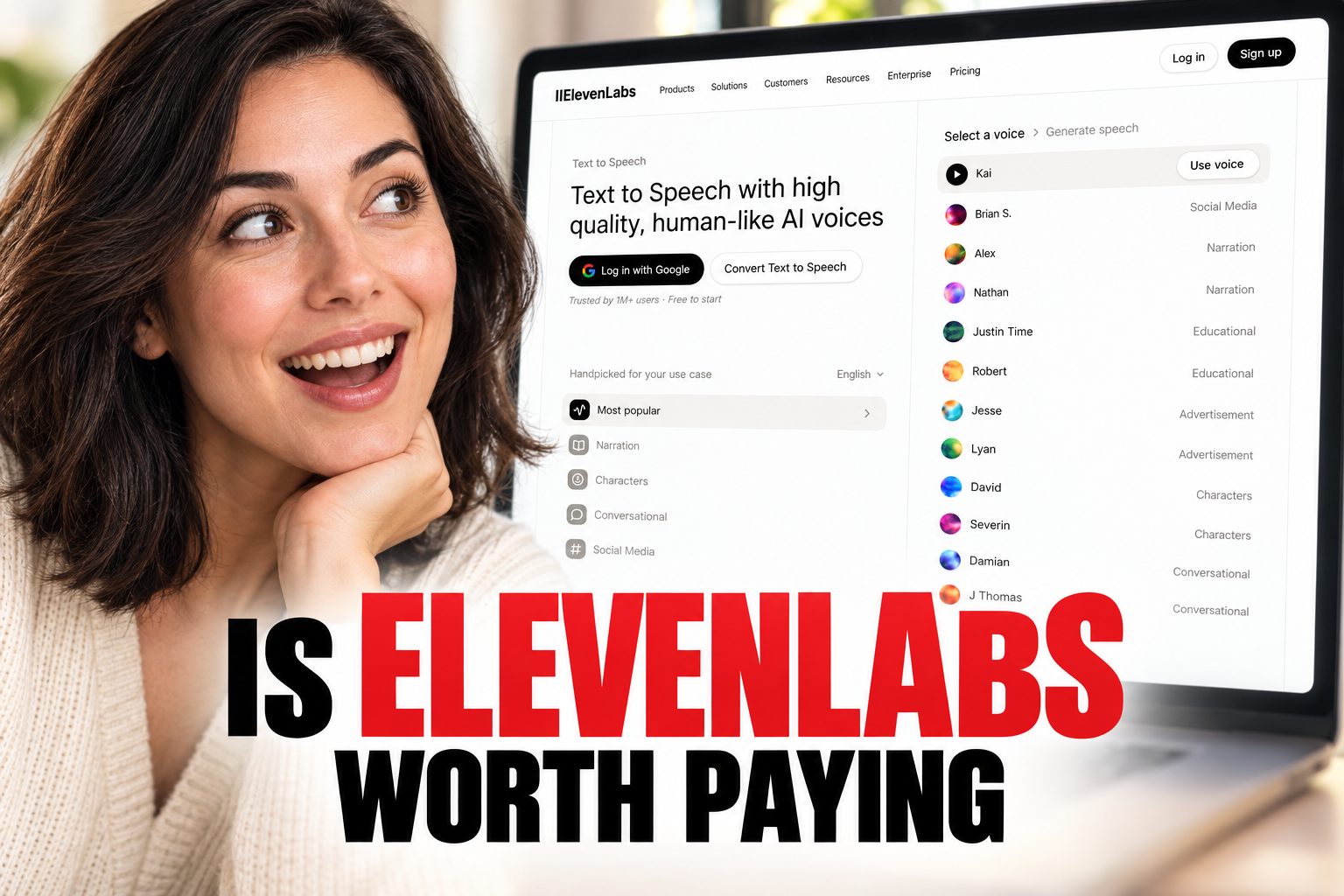
ElevenLabs is worth paying for if you need consistent, high-volume voice generation, instant custom voice cloning, or commercial distribution rights for your audio projects. If you only require occasional voiceovers for personal use, the free tier is sufficient.
When looking at productivity tools, audio synthesis has moved from a novelty to a core infrastructure element. Choosing whether to commit to a monthly subscription requires analyzing your actual usage patterns, your need for custom voice models, and how you plan to license your final audio output.
Many creators struggle to balance voice quality against recurring platform fees. This guide will break down the precise inflection points where upgrading from a free account to a premium tier makes direct financial sense for your business or creative workflow. For a deeper look at specific features, check out our comprehensive ElevenLabs Review: Pricing, Features and Limitations.
The quick version
- Gather high-quality clean audio files
- Navigate to the Voice Lab dashboard
- Upload your audio samples directly
- Adjust the voice stability and clarity
- Generate a short test paragraph to
Understanding the Limits of the Free Tier
The platform offers a free tier designed primarily for casual experimentation and evaluation. While this option gives you immediate access to basic text-to-speech synthesis, it imposes strict technical boundaries that make it unsuitable for professional operations. The monthly character allotment resets on a rolling schedule, which can halt ongoing development unexpectedly.
Under the unpaid terms of service, any audio you generate remains locked under a non-commercial license. If you publish a podcast, upload a monetized video, or create marketing materials using these voices, you are in direct violation of the usage terms. Furthermore, the platform requires prominent attribution, meaning you must publicly credit the service in your project descriptions.
For hobbyists testing the platform's vocal synthesis capabilities, these limitations are minor inconveniences. However, if your production pipeline depends on seamless integration or reliable voice outputs, these boundaries quickly become bottlenecks. You will find yourself constantly monitoring your character consumption to avoid mid-sentence cutoffs during generation tasks.
When Professional Voice Cloning Becomes Necessary
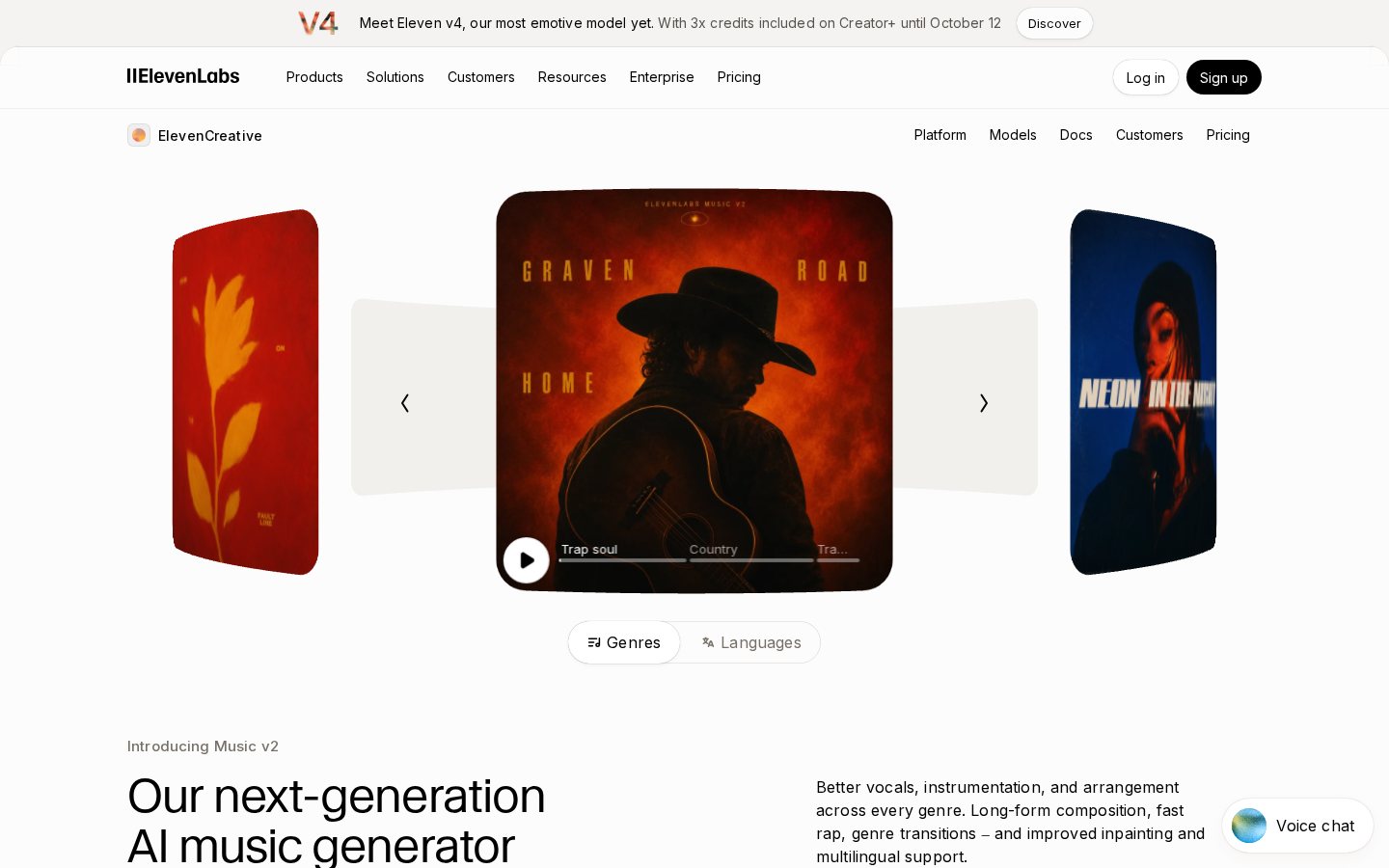
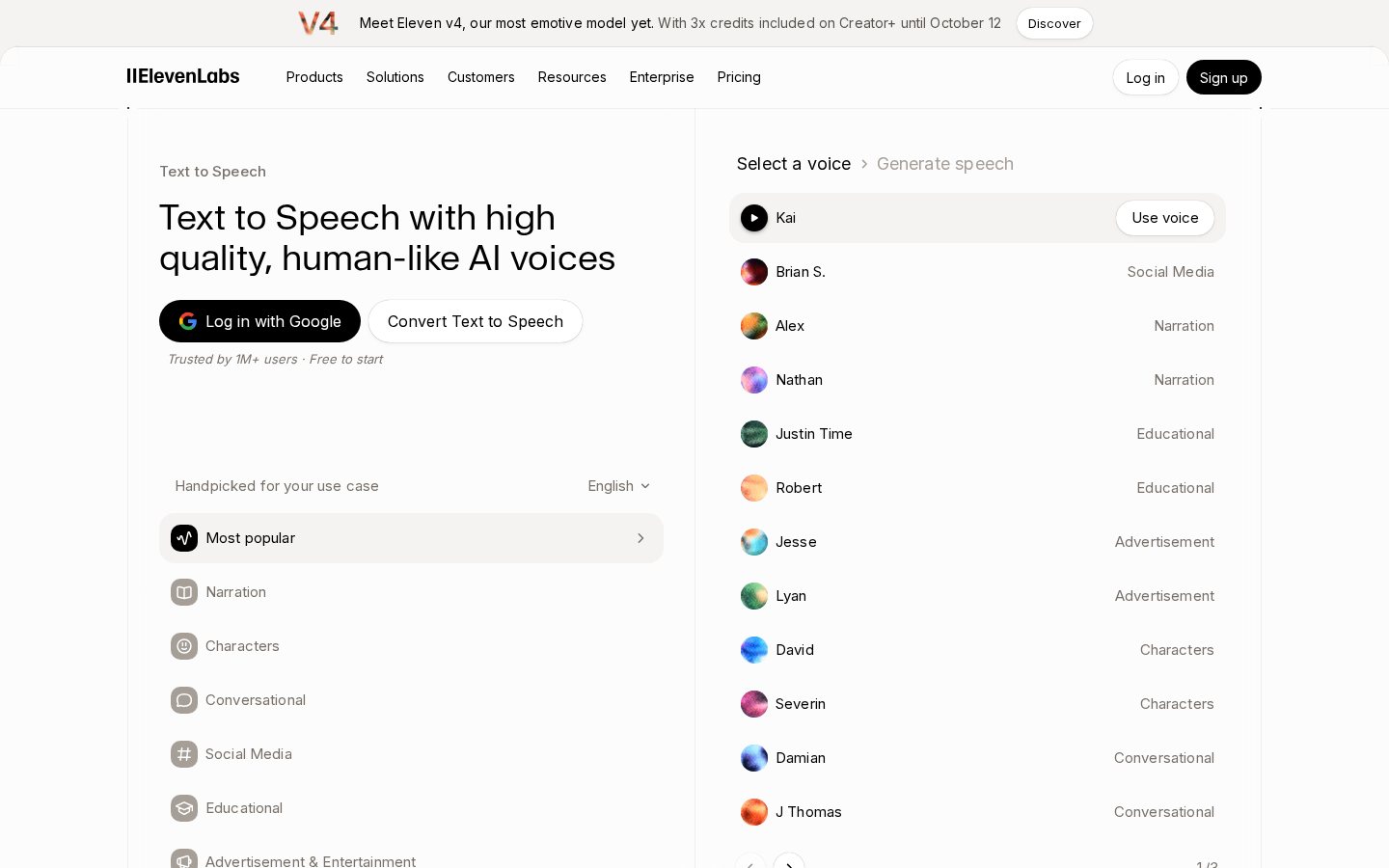
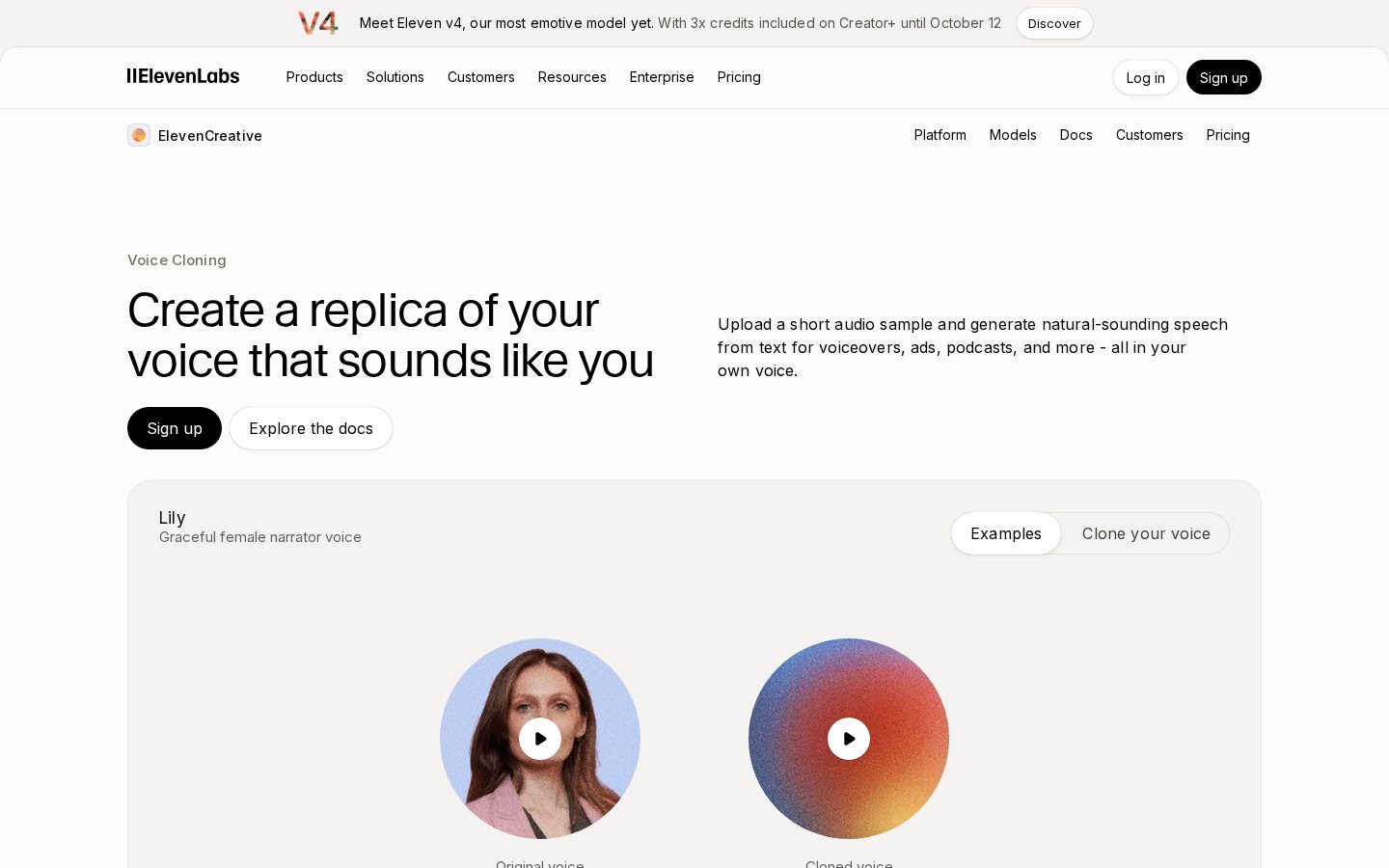
One of the primary motivations for upgrading to a paid tier is the ability to create advanced voice profiles. While basic plans allow for simple instant cloning using short audio clips, the results can sometimes sound robotic or lose their distinct tonal consistency over longer scripts. Professional voice cloning operates on a completely different technological level than basic instant cloning.
To build a professional voice clone, you must upload hours of high-quality speech data rather than a single short clip. The platform processes this data to map the subtle nuances, breathing patterns, and emotional range of the target speaker. This intensive processing is computationally expensive, which is why the service reserves this capability exclusively for subscribers on higher plans.
Using a professional clone allows businesses to scale their content production without requiring the voice actor to return to the studio for every script change. This capability is particularly useful for audiobooks, ongoing training modules, and localized corporate announcements. The resulting output maintains a steady cadence that casual voice cloning options simply cannot replicate over extended reading times.
How to Set Up Your First Custom Voice Clone
Creating a high-quality voice profile requires systematic preparation to ensure the synthesis engine interprets your vocal characteristics accurately. Following a precise workflow helps avoid wasting generation credits on distorted or unnatural outputs. When you carefully organize your recording setup, the resulting synthetic output is indistinguishable from standard human narration.
- Gather high-quality clean audio files. Ensure there is no background noise, echo, or music in the recordings to avoid synthesis errors.
- Navigate to the Voice Lab dashboard. Select the option to add a new instant or professional voice from the main menu.
- Upload your audio samples directly. Provide samples that cover a wide range of vocal tones, pitches, and speeds for better modeling.
- Adjust the voice stability and clarity sliders. These manual controls fine-tune how closely the synthesized output matches your original recording.
- Generate a short test paragraph to verify quality. This trial allows you to check the natural delivery before committing your full character balance.
Comparing Commercial Rights Across Tiers
Navigating the legal landscape of synthetic media requires a clear understanding of what your subscription plan permits. The transition from free access to a paid tier represents a shift in ownership rights over the generated audio assets. Without the correct subscription tier, your media distribution options remain legally restricted.
Failing to secure the appropriate licensing can result in copyright disputes or take-down notices on major media distribution platforms. The distinction between personal and commercial use cases directly affects how you can deploy your finalized audio projects without facing sudden copyright flags. Upgrading helps shield your content channels from automated legal strikes.
- Commercial Licensing: Free tier permits only non-commercial personal projects, whereas paid tiers grant full commercial ownership of generated files.
- Attribution Requirements: Free tier requires crediting the platform in public projects, whereas paid tiers allow users to distribute audio without attribution.
- Custom Voice Safety: Free tier only offers access to basic community voices, whereas paid tiers allow secure hosting of private voice models.
- Support Access: Free tier forces users to rely on self-service documentation, whereas paid tiers provide direct priority support queues.
Analyzing Character Quotas and Latency Needs
Every automated voiceover project operates within a strict character budget, and managing this resource is crucial for maintaining a predictable workflow. When working on large-scale localization or document reading, the speed of generation, often referred to as latency, becomes just as important as the absolute character count. Paid tiers receive computational priority, ensuring that your audio generates rapidly even during peak traffic hours.
For developer environments integrating synthetic voices via API, latency spikes can disrupt the user experience of your application. The free tier does not guarantee API response times, meaning your application could experience delays during high-load periods. Upgrading to a professional tier ensures access to dedicated infrastructure designed to keep response times stable.
Additionally, the automatic replenishment of character pools on premium accounts helps avoid service interruptions. If your project runs out of characters on a free account, you must wait until the next billing cycle or manually upgrade. Paid accounts often feature the option to purchase top-up credits instantly, allowing your automated pipelines to continue running without manual intervention.
Which Subscription Tier Should You Pick?
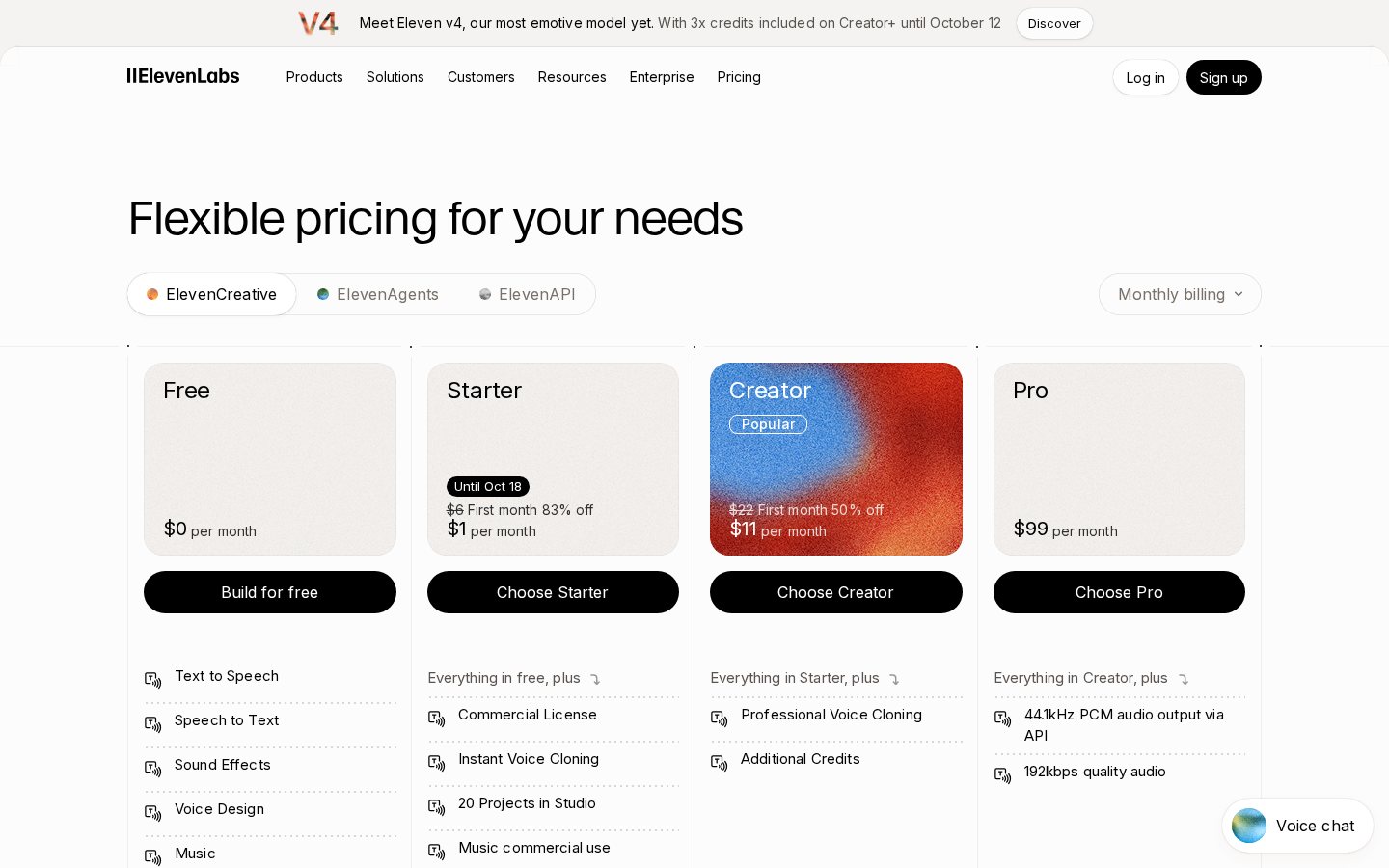
Selecting the appropriate plan depends entirely on your specific production demands and structural goals. If your work involves creating short-form social media clips or testing voice styles for occasional personal projects, the free tier or the lowest paid tier will easily cover your needs. You can learn more about how these options compare to other market alternatives in our ElevenLabs Review: Pricing, Features and Limitations.
For independent creators, professional podcasters, and small businesses looking to establish a recognizable audio brand, the mid-tier subscriptions are the most logical choice. These tiers provide access to professional voice cloning and supply enough monthly characters to handle regular publishing schedules without constant worry over quotas.
Large enterprises and development teams building customer-facing applications should opt for high-volume custom plans. These specialized accounts offer the necessary API throughput, dedicated support, and advanced security features required to protect proprietary voice data. Assess your average monthly text output first to choose the subscription that matches your operational scale.
Frequently asked
As an Amazon Associate I earn from qualifying purchases. This does not affect the price you pay. Affiliate disclosure