
Hatch Restore 3 Sunrise Alarm: Worth Buying?
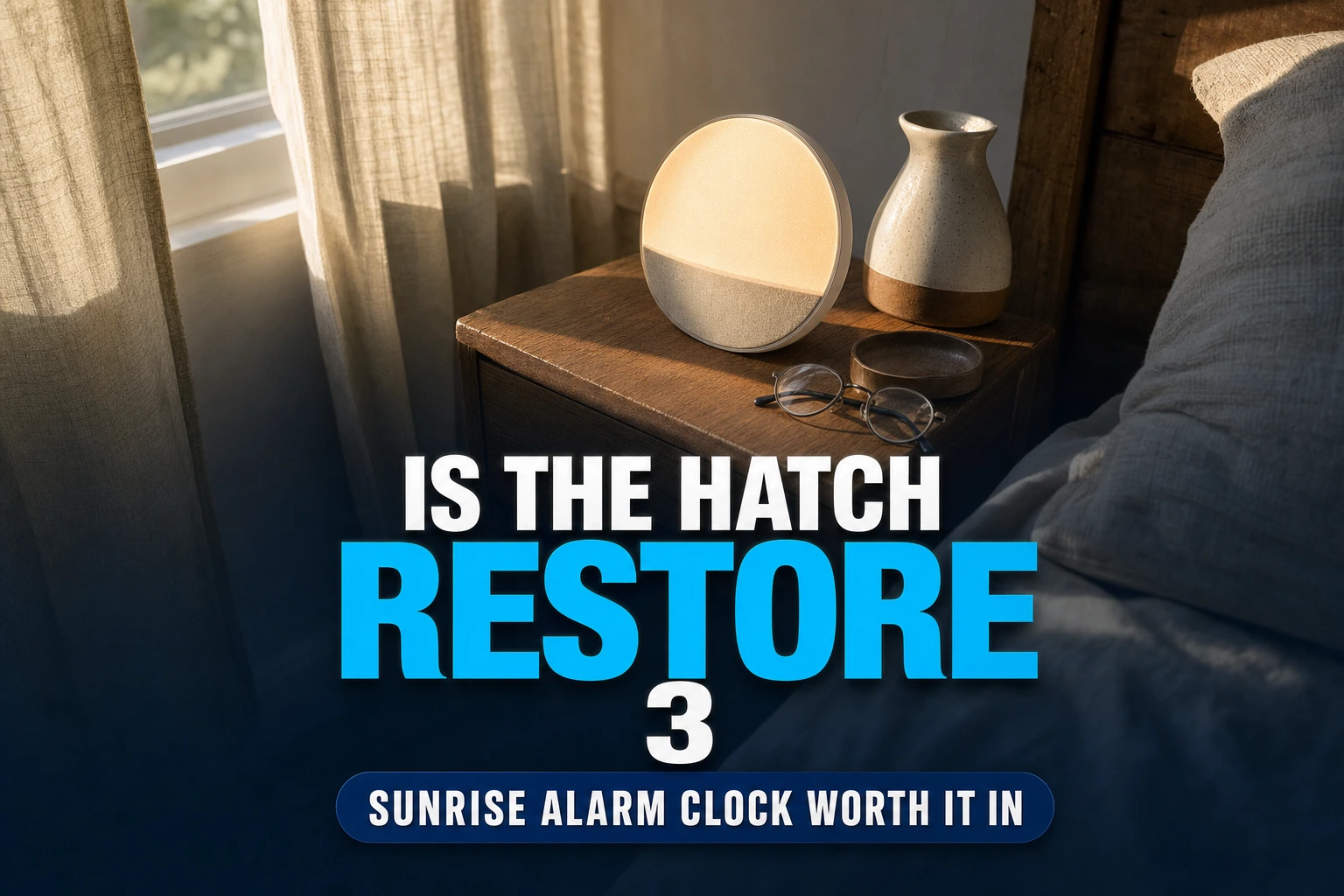
The Hatch Restore 3 may be worth buying if you want one bedside device for sunrise light, sleep sounds and repeatable routines, but the subscription model limits its value for some people.
This article is informational and does not place shopping buttons in the story. Related buying guides may include affiliate links.
As an Amazon Associate I earn from qualifying purchases. This does not affect the price you pay. Affiliate disclosure
On this page10 sections
- 1The short answer
- 2Is the Hatch Restore 3 sunrise alarm worth buying?
- 3How the sunrise simulation system works
- 4Sleep sounds, alarms and speaker limitations
- 5Free features versus the Hatch+ membership
- 6App setup and screen-free daily controls
- 7Design, placement and everyday trade-offs
- 8How to decide whether the Restore 3 fits your routine
- 9Frequently asked
- 10Sources
The short answer
- The device combines a gentle sunrise light simulation with an integrated, premium bedroom sound machine.
- Core sunrise and basic sleep sound features are available without paying for a monthly subscription.
- Accessing the full library of sleep stories and guided meditations requires a paid Hatch Plus membership.
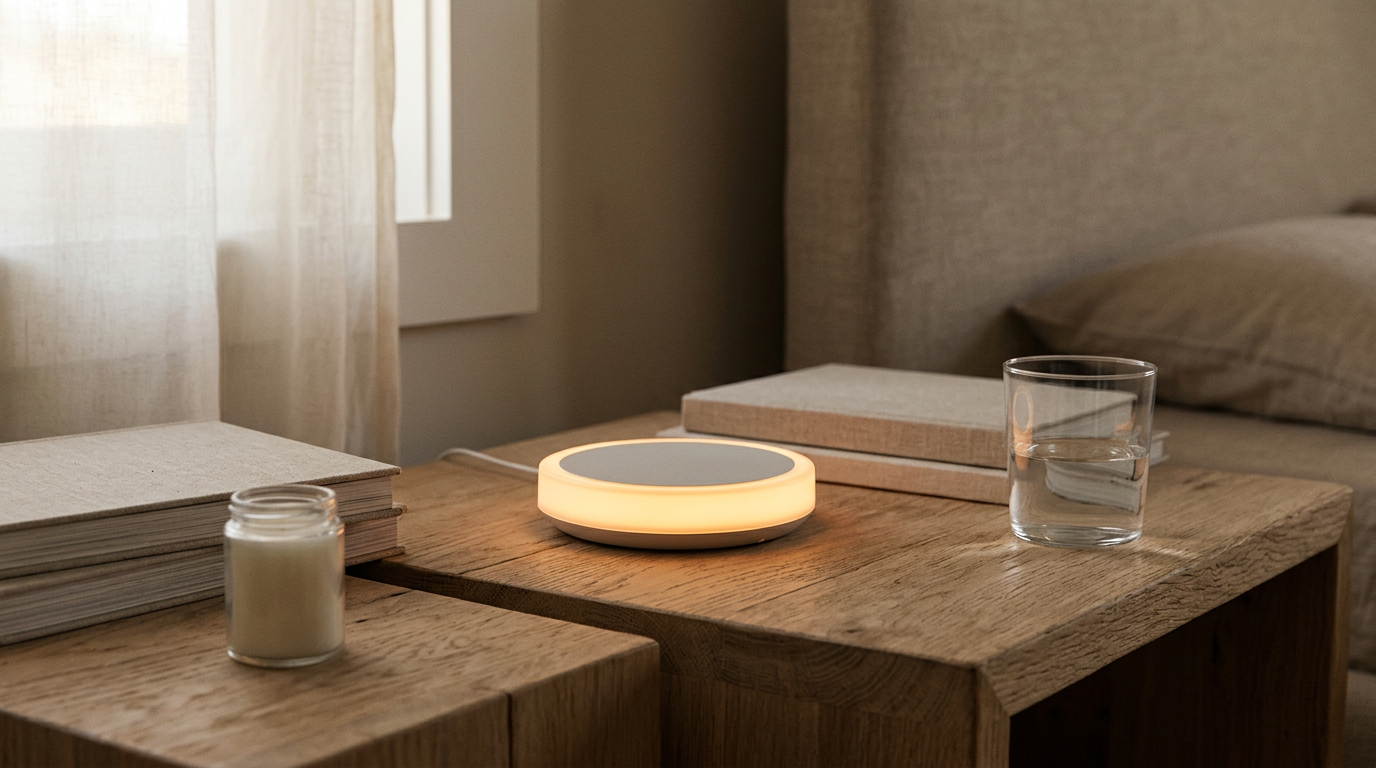
Yes, the Hatch Restore 3 may be worth buying in 2026 if you want a premium sunrise alarm, sound machine and bedtime routine system in one device. It is less compelling if you only need a basic wake-up light or do not want optional content tied to a paid Hatch+ membership.
For many people, waking up to gradually brightening light feels more pleasant than relying only on a sudden alarm sound. The Restore 3 combines that approach with ambient audio, evening light routines and physical controls intended to reduce the need to use a phone at bedtime.
Its value depends on how many of those functions you will use. This guide examines the sunrise simulation, sound library, app, controls and membership model so you can decide whether the clock suits your routine. For a closer product overview, read our Hatch Restore 3 sunrise alarm clock and sound review.
Is the Hatch Restore 3 sunrise alarm worth buying?
The strongest reason to consider the Restore 3 is convenience. It brings a sunrise alarm, sound machine, bedside light and scheduled wind-down routine into one fabric-covered device. That combination may justify the premium positioning for someone who would otherwise keep several separate devices on a nightstand.
The main reservation is the content model. Core functions can be used without maintaining a Hatch+ membership, while a broader library of sleep stories, meditations and other audio content is connected to the paid service. That distinction matters because the hardware may still meet your needs without the expanded library.
It is most likely to be worth buying for someone who wants coordinated evening and morning routines, appreciates physical bedside controls and expects to use both light and sound every day. A simpler sunrise clock may be more appropriate if your only goal is a gradually brightening alarm. Our full Hatch Restore 3 review provides more detail on the product’s features and trade-offs.
How the sunrise simulation system works
Sunrise alarm clocks represent a significant shift in how we begin our days. Instead of relying on loud, sudden noises that startle you awake, these devices use light to mimic a natural dawn. The Restore 3 pairs a gradually changing light with a chosen wake-up sound, allowing the routine to build before the scheduled alarm time.
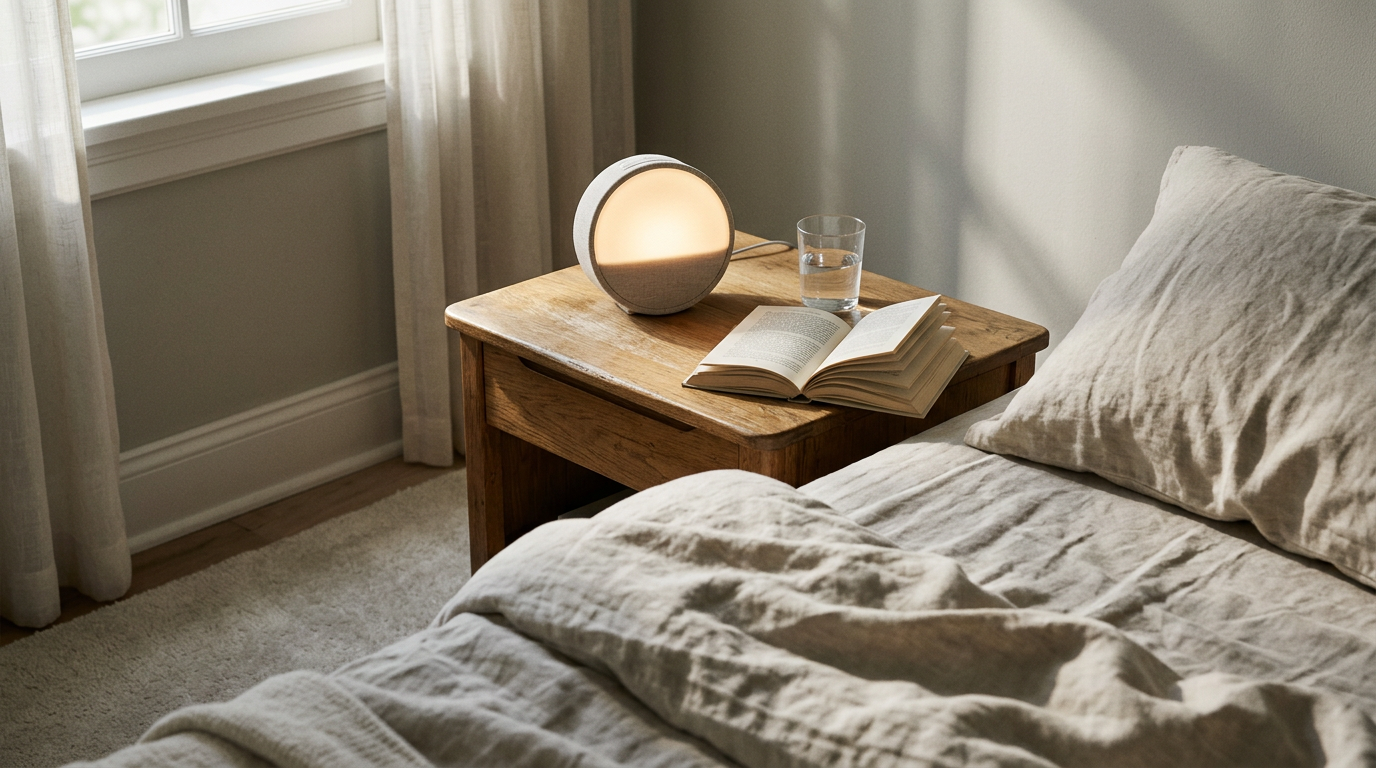
The device offers an adjustable light panel with different colors and brightness levels. Rather than producing real daylight, it creates a timed visual cue that can make the transition from a dark room to morning less abrupt. Individual results will depend on room conditions, sleep habits and sensitivity to light.
The same light can support an evening routine. Warm, dim illumination may be used for reading or as part of a scheduled wind-down sequence, replacing brighter overhead lighting near bedtime. This dual role is useful if you want one bedside device to mark both ends of the day.
For the clearest effect, position the clock where its light is visible from bed and keep the room reasonably dark overnight. Avoid assuming that the light alone will wake every sleeper; retaining an audible alarm is sensible, particularly while testing a new routine.
 See the picks in our buying guide
Sleep sounds, alarms and speaker limitations
The Restore 3 also functions as a sound machine, offering audio intended for winding down, sleeping and waking. Available categories include steady noise and nature-inspired sounds, while Hatch+ expands the selection with additional guided and spoken content. The exact value of that library depends on whether you prefer a small set of familiar sounds or regularly want something new.
Steady background audio can help mask inconsistent household or street noise, although it should not be treated as a health intervention. Volume and placement matter: the sound should be audible without being unnecessarily loud, and the clock should sit close enough to the bed for lower settings to work.
The device is not intended to replace a general-purpose streaming speaker. Personal music playback and open-ended Bluetooth streaming are not its focus; users choose from Hatch’s available content and routine options. That makes the Restore 3 better suited to scheduled sleep audio than to someone seeking a conventional bedside music speaker.
Before deciding, review which functions remain available without Hatch+. Our Hatch Restore 3 sound and sunrise alarm review explains the core feature set and the role of the optional membership.
Free features versus the Hatch+ membership
The Restore 3 is usable without maintaining a Hatch+ membership. Its core purpose—a scheduled sunrise routine with light and sound—does not depend on continually paying for the expanded content catalogue. This makes the distinction between hardware features and subscription content important.
Hatch+ is aimed at users who want a wider and changing selection of sleep stories, guided meditations, music and other audio. That may add value for someone who enjoys exploring new content, but it is not automatically useful to a person who relies on the same white-noise track each night.
Before buying, decide whether basic light and sound routines are enough. If so, judge the clock on those functions rather than on membership material you may never use. If the expanded library is central to your plans, consider the ongoing commitment as part of the ownership decision without assuming you must subscribe indefinitely.
Some buyers may find subscription-gated content frustrating on premium hardware. Others may prefer having optional material integrated into the same routine system. Neither view changes the practical question: will you use enough of the clock’s combined functions to justify choosing it over a simpler, non-connected sunrise alarm?
App setup and screen-free daily controls
Initial setup and routine creation take place through the Hatch Sleep companion app. The process includes connecting the clock to Wi-Fi, selecting light and sound options, setting the schedule and saving a routine. App dependence is worth considering if you prefer products that can be configured entirely on the device.
A typical setup involves choosing an evening sequence, setting the morning alarm, selecting a sunrise duration and assigning an alarm sound. Once configured, recurring routines can reduce the need to rebuild settings each night. The app is therefore most important during setup and whenever you want to make detailed changes.
The Restore 3 also provides physical bedside controls for routine actions. These controls are intended to let you start a routine, make adjustments or snooze without opening the app while half-awake. That balance is one of the device’s more practical design choices: a phone handles detailed configuration, while the clock handles regular bedside use.
People trying to keep phones away from the bed may appreciate this arrangement, but the product is not fully phone-independent. Buyers should be comfortable using an account, app and network connection for configuration. For a closer account of the controls, see our detailed Restore 3 alarm clock review.
Design, placement and everyday trade-offs
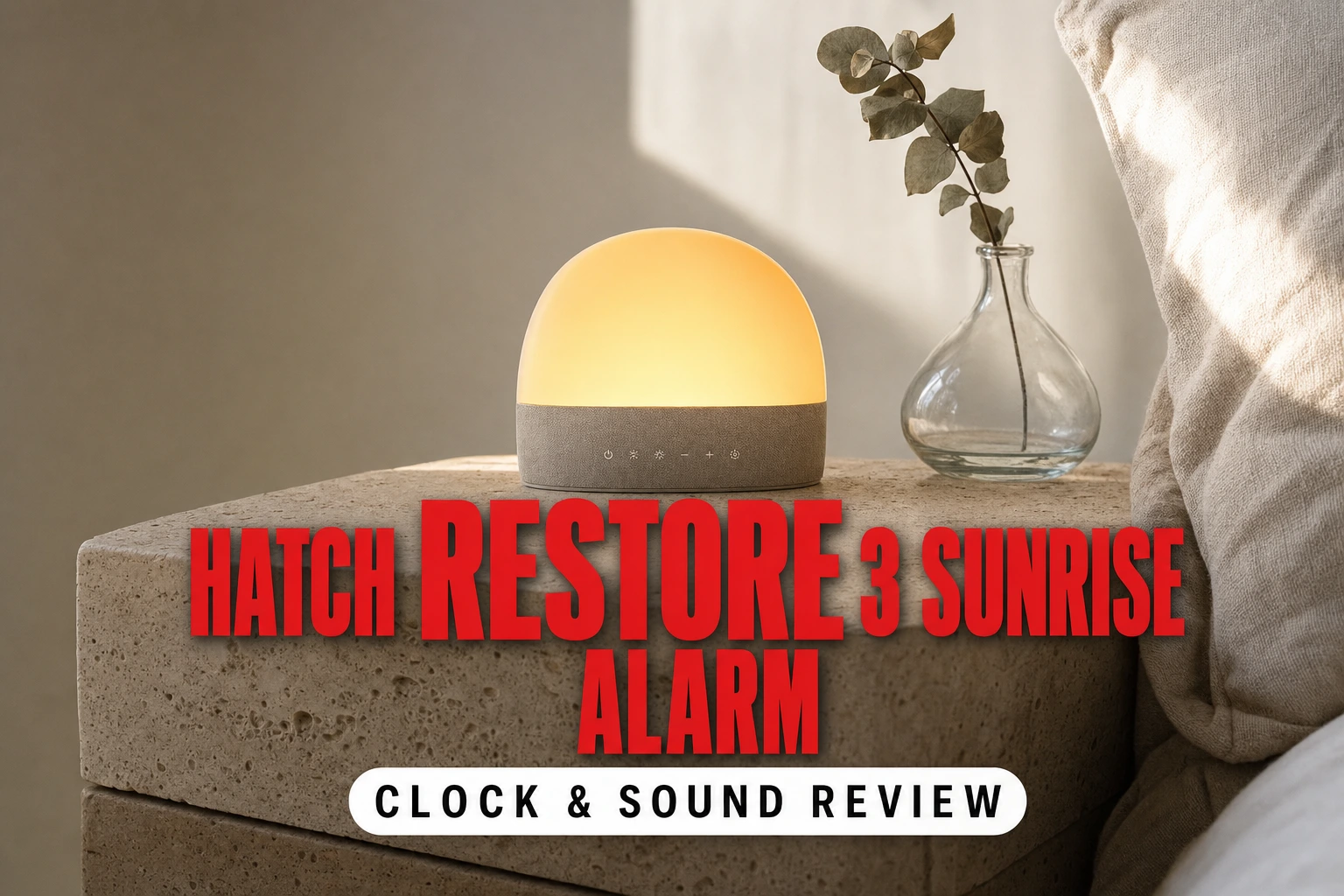
The physical aesthetic of this alarm clock is designed to complement modern bedroom spaces. It features a soft fabric-covered exterior that looks more like a decorative accessory than a conventional digital alarm clock. Its subdued appearance may appeal to people who do not want a bright screen dominating the nightstand.
Placement affects more than appearance. The clock needs access to an outlet, a clear path for its light and enough proximity for its sound and controls to be convenient. A crowded shelf, deep bedside recess or position facing away from the sleeper may reduce the usefulness of the sunrise effect.
The Restore 3 is best understood as a connected routine device rather than a traditional alarm with a few added sounds. That brings flexibility, but it also means app setup, Wi-Fi and an account are part of ownership. It may be a poor fit for someone who wants a fully offline clock or who dislikes managing connected devices.
There is also no reason to choose it solely for appearance. The value comes from using its integrated system consistently: sunrise simulation in the morning, scheduled audio at night and accessible controls in between. If most of those features would remain unused, a simpler alarm is likely to be the more practical choice.
How to decide whether the Restore 3 fits your routine
Start by identifying the problem you want the clock to solve. If harsh alarms are your main concern, ask whether gradual light plus a gentler sound is enough. If inconsistent bedtime habits are the issue, scheduled wind-down cues may be more relevant than the alarm itself. The device offers both, but you do not need to value them equally.
Next, consider your tolerance for connected setup. The Restore 3 relies on an app and Wi-Fi for configuration, even though routine bedside actions can be handled on the clock. Anyone seeking a fully manual device should treat that as a significant drawback rather than a minor inconvenience.
Then compare the core library with your content needs. A person who uses one steady sound may have little reason to maintain Hatch+, while someone who values varied guided content may see the membership as central. Avoid basing the decision on the size of a library you are unlikely to explore.
Finally, consider your room. Sleep inertia is the groggy transition after waking, but no alarm can promise to eliminate it. A sunrise cue may feel gentler for some users, especially in a dark room, yet sleep schedule, room light and personal responsiveness all affect the experience. The Restore 3 is therefore worth buying for its combined routine tools, not as a guaranteed solution to poor sleep or difficult mornings.
Frequently asked
Sources
As an Amazon Associate I earn from qualifying purchases. This does not affect the price you pay. Affiliate disclosure