ElevenLabs Cost per Month: What You Really Pay
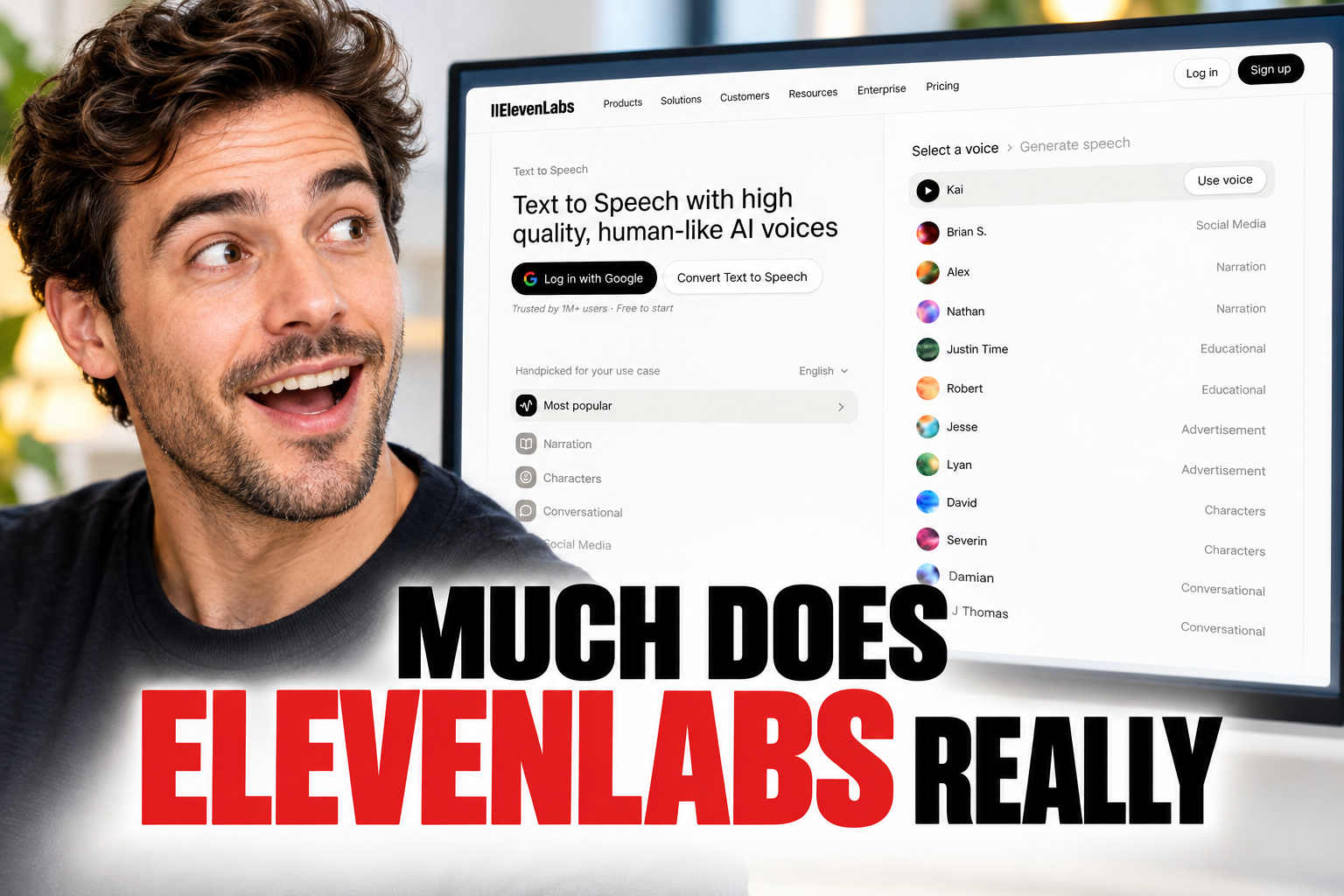
ElevenLabs has a free testing tier and several paid subscriptions, but the real monthly cost depends on character use, retakes, models, cloning features and overages.
Some links are affiliate links: we may earn a commission if you sign up or buy through them, at no extra cost to you.
On this page9 sections
- 1The short answer
- 2How much does ElevenLabs really cost per month?
- 3How ElevenLabs measures monthly usage
- 4How to estimate your real monthly requirement
- 5What can raise the monthly bill
- 6Commercial rights and plan eligibility
- 7Voice cloning and model choices
- 8Choosing a plan without overpaying
- 9Frequently asked
The short answer
- ElevenLabs charges based on character credits, where one character equals one credit.
- Unused credits expire monthly and do not roll over to the next billing cycle.
- Commercial rights are only included in paid tiers, starting from the entry-level plan.
ElevenLabs can cost nothing per month for testing, while ongoing commercial or higher-volume use requires a paid plan. Your real monthly cost depends on the subscription tier, generated characters, retakes, selected model and any usage-based charges. Because prices can change, check the current pricing page before subscribing. For broader context, read our ElevenLabs review of pricing, features and limitations.
How much does ElevenLabs really cost per month?
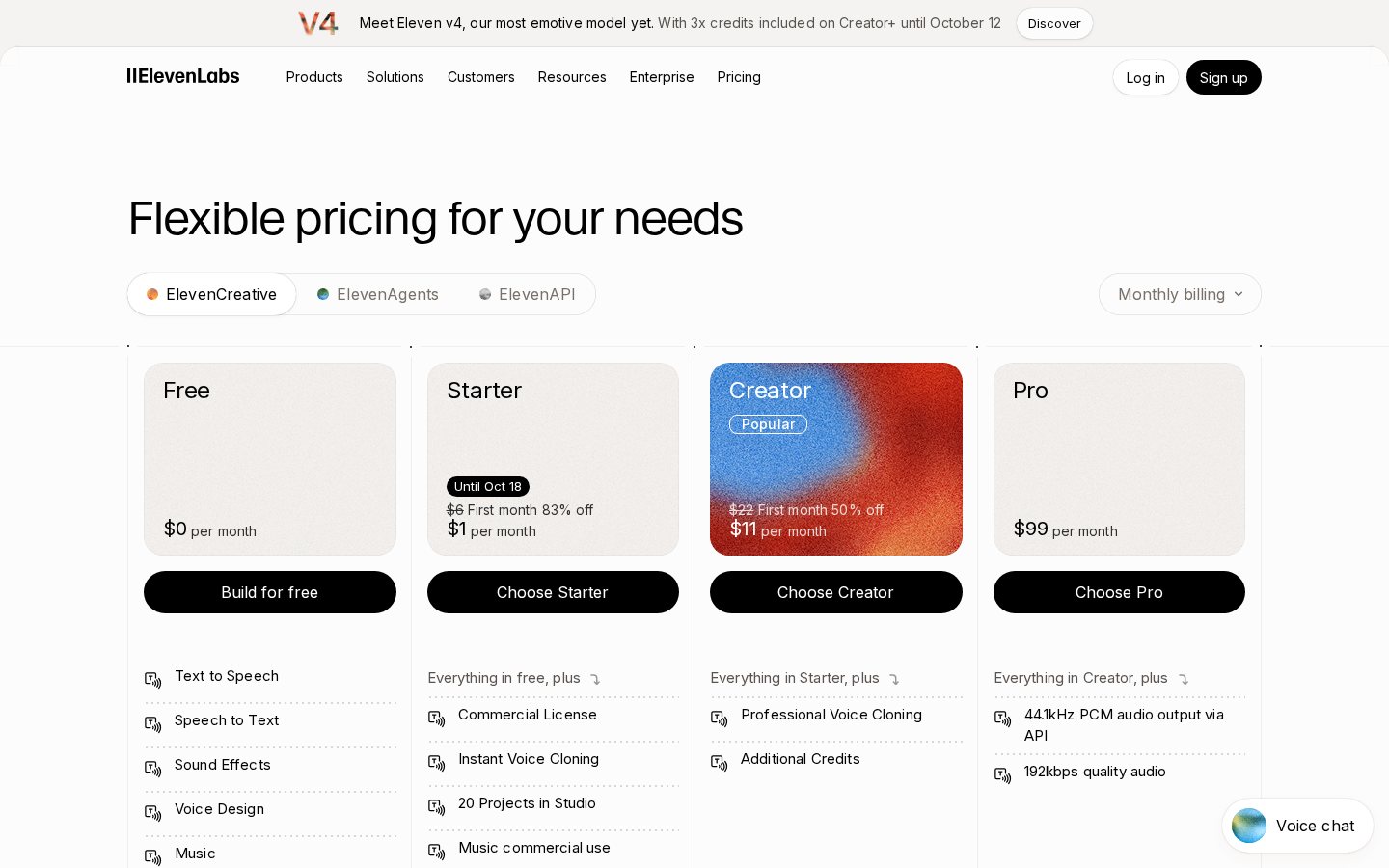
There is no single monthly figure that applies to every ElevenLabs user. The platform offers a free tier alongside several paid plans, and each tier includes a different usage allowance and feature set. The amount you really pay therefore depends on whether you remain within the included allowance or enable additional usage after reaching it. Annual billing can also change the effective monthly amount, so compare the full commitment rather than looking only at a monthly equivalent.
The most reliable approach is to open the official pricing page and identify the lowest tier that covers your expected output, licensing needs and voice features. Then add a retake allowance to your estimate. A subscription price is only the baseline; repeated generations and usage beyond the included allowance can increase the bill. For help weighing cost against the broader product, see our full ElevenLabs pricing and features review.
How ElevenLabs measures monthly usage
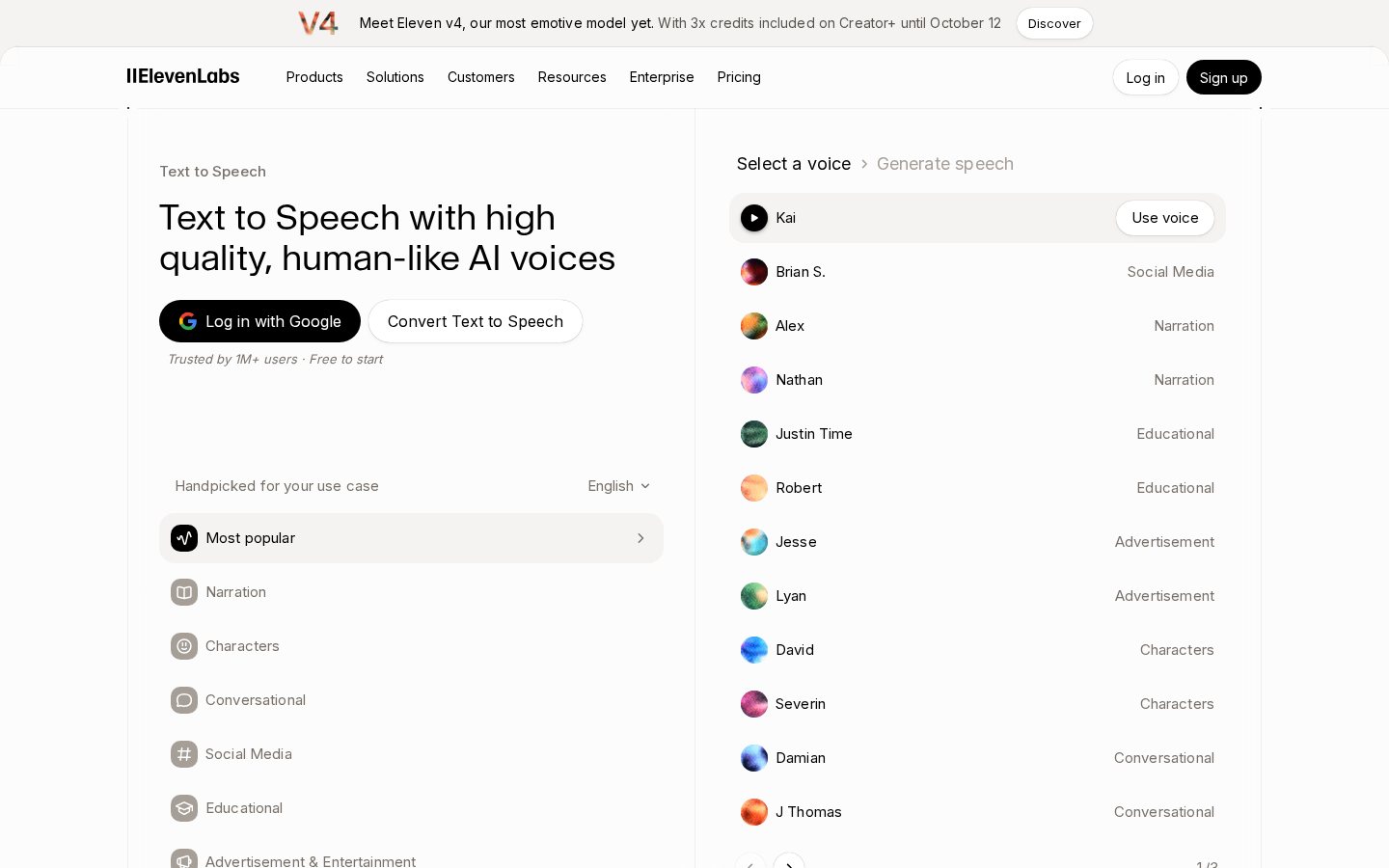
ElevenLabs measures generation through a plan allowance shown in the account and on its pricing page. The exact unit and consumption rate can depend on the product or model being used, so do not assume that every workflow consumes the allowance identically. Text length remains a practical starting point for estimating text-to-speech use: longer scripts require more generation capacity than shorter ones.
Spaces, punctuation and formatting may contribute to character-based measurements where that system applies. More importantly, every regenerated passage can consume additional capacity. If you produce a paragraph three times to adjust pacing or pronunciation, budget for all three generations rather than only the final file. Check the usage dashboard during production because it provides a better indication than converting words into minutes with a fixed formula. Model choice and repeated generations can change how quickly the included allowance is used.
How to estimate your real monthly requirement
Start by measuring the scripts you expect to generate during a typical week. Use the same unit displayed by ElevenLabs for the relevant tool, then multiply the weekly total by the number of production weeks in your billing cycle. This establishes a baseline, not a final forecast. Add a buffer for pronunciation fixes, changes requested by clients or editors, alternate deliveries and technical failures that require another generation.
You can make the estimate more useful by separating first drafts from likely retakes. For example, record the length of each planned script, note how many versions you usually produce and include any multilingual variants separately. Avoid relying on a universal conversion between text length and audio duration because speaking speed, pauses and language affect the result. A project-based estimate is more dependable than choosing a plan from audio minutes alone. During the first billing cycle, compare your forecast with the usage dashboard and adjust the next month’s plan if necessary.
What can raise the monthly bill
The main cost risk is exceeding the allowance included with the selected tier. ElevenLabs may offer usage-based billing or additional usage on eligible plans, subject to the current account settings and terms. Do not assume access will continue automatically after the allowance is exhausted. Check whether additional usage is available on your plan, what unit it uses and whether a spending control can be set.
Retakes are another important variable. Editing the script before generation reduces avoidable repeats, while splitting a long script into manageable sections can make corrections more targeted. API workflows require particular attention because automated requests may generate more content than expected if an application loops, retries or receives unexpected traffic. Teams should also define who can create audio and monitor the shared allowance. Set any available spending threshold before starting a high-volume project, and review usage regularly instead of waiting for the billing date.
Commercial rights and plan eligibility
Cost is not only a question of generation volume. The selected plan must also cover the way you intend to use the audio. ElevenLabs states that paid subscriptions include commercial-use rights subject to its terms, while free-plan output has different restrictions. Review the current licensing language before publishing monetized videos, advertisements, podcasts or client work because eligibility and conditions can change.
Keep records showing which subscription was active when commercially used audio was generated. If a project includes a cloned voice, you must also have the necessary rights and consent to use that voice. Moving to a paid tier solely for commercial eligibility may be necessary even if a free allowance would otherwise cover the script length. Choose a plan that satisfies both usage and licensing requirements. Our ElevenLabs review covering pricing and limitations explains how those considerations fit with the rest of the service.
Voice cloning and model choices
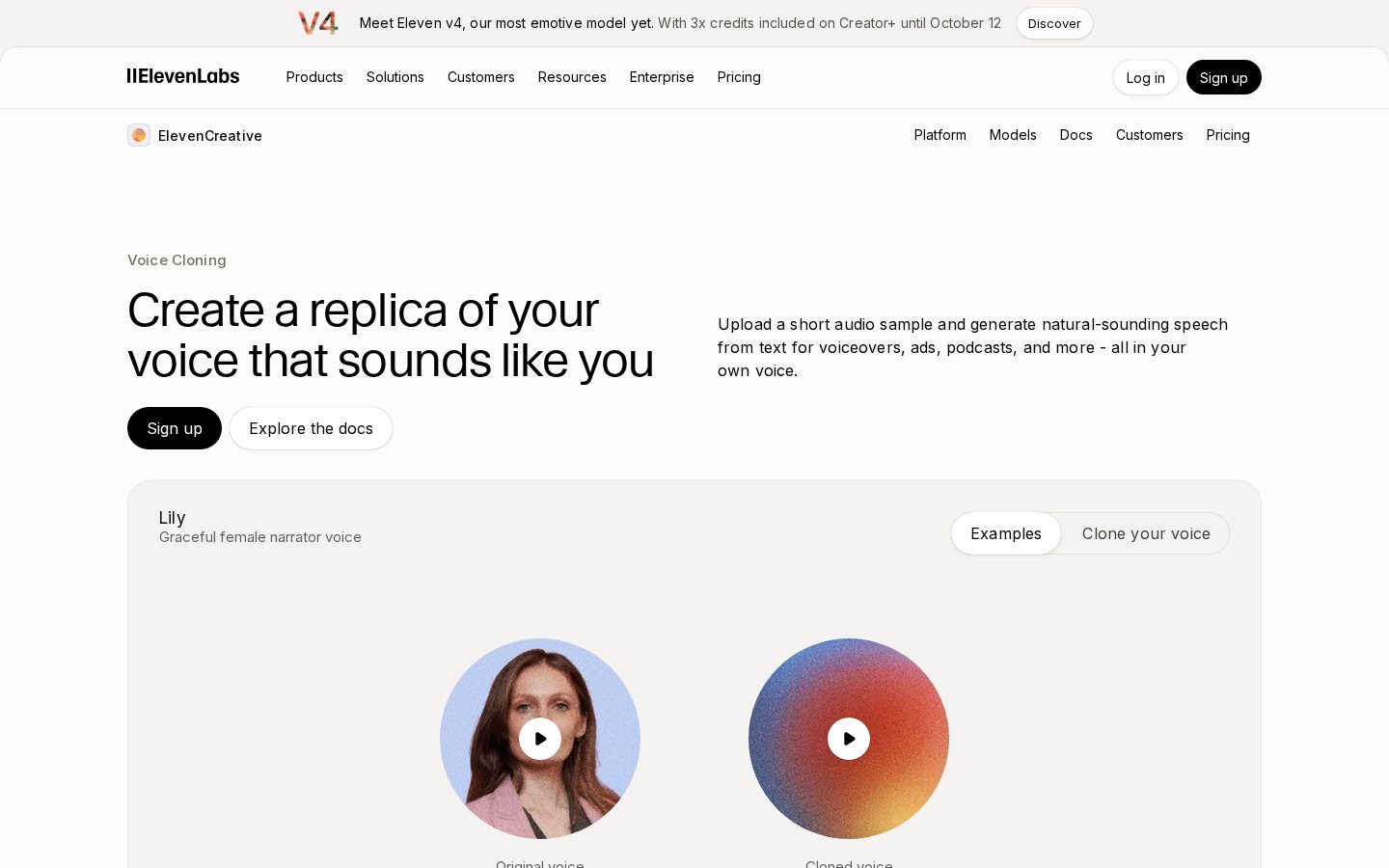
Voice features can affect which subscription tier is suitable. Instant voice cloning and professional voice cloning are different capabilities, with eligibility, verification and input requirements defined by ElevenLabs. Professional cloning is intended to create a more detailed voice replica and may require a higher eligible tier than basic voice features. Always confirm the current plan table rather than assuming cloning is included with every paid subscription.
Model selection also matters. ElevenLabs provides models designed for different languages, quality levels, latency requirements and use cases. Their consumption rules may differ, so compare the rate shown for the model used in your actual workflow. A low-latency API application may have different priorities from a carefully edited narration project. Do not select a plan solely from the headline allowance without checking model-specific consumption and feature eligibility. Consent and verification requirements remain relevant regardless of budget.
Choosing a plan without overpaying
Use the free tier to assess the interface and output if its terms fit your non-commercial test. Before moving to a paid plan, prepare a representative script and note how many generations are needed to reach an acceptable result. This reveals whether retakes, rather than final script length, are likely to drive consumption. For commercial work, filter the options by licensing eligibility before comparing allowances.
Independent creators with short, occasional projects may need less capacity than podcasters, audiobook producers or developers running an API integration. Teams should consider shared use, access controls and the risk of simultaneous generation. Start with the lowest eligible tier that covers a realistic forecast and monitor actual use. Upgrade only if the dashboard shows that the allowance is consistently insufficient or a required feature sits on another tier. The right plan is the one that covers normal output plus a reasonable correction buffer, not the largest allowance available. Consult the complete ElevenLabs review before deciding whether its wider feature set suits your workflow.
Frequently asked
As an Amazon Associate I earn from qualifying purchases. This does not affect the price you pay. Affiliate disclosure