
How to Choose the Right Body Weight Scales for Your Goals
To choose the right body weight scale, decide between a simple digital model for basic tracking and a smart scale to monitor body composition trends.
This article is informational and does not place shopping buttons in the story. Related buying guides may include affiliate links.
As an Amazon Associate I earn from qualifying purchases. This does not affect the price you pay. Affiliate disclosure
On this page9 sections
- 1The short answer
- 2Deciding Between Analog, Digital, and Smart Scales
- 3Decoding Smart Scale Metrics and Jargon
- 4How to Test and Set Up Your Scale for Accuracy
- 5Hardware and Connectivity Features That Matter
- 6Which Scale Should You Pick for Your Household?
- 7Making Sense of the Weight Data
- 8Frequently asked
- 9Sources
The short answer
- Identify if you want simple body weight tracking or deeper metrics like muscle and fat mass.
- Prioritize Wi-Fi connectivity over Bluetooth for seamless, phone-free data synchronization with health apps.
- Look for helpful physical design elements like large, backlit displays and slip-resistant glass platforms.
To choose the right body weight scale, choosing the right body weight scale depends on balancing your tracking goals with the level of technology you actually want to use daily. Determine whether you need basic weight readings or comprehensive body composition tracking.
Selecting a bathroom scale used to be a matter of picking a design you liked. Today, however, the market is filled with various categories ranging from simple mechanical dials to advanced electronic platforms that connect to your home wireless network. Understanding these differences ensures you do not overpay for features you will never use.
Before committing to a purchase, it is helpful to look closely at what these devices offer. Some highlight basic metrics, while others explore deeper physiological data. Evaluating your personal habits will help you find a model that seamlessly integrates into your morning routine.
The quick version
- Place the scale on a hard,
- Calibrate the scale before your first
- Choose a consistent time for your
- Stand completely still with your weight
Deciding Between Analog, Digital, and Smart Scales
The first major decision is choosing the physical mechanism of your scale. Traditional analog scales utilize internal springs to measure force. While they require no batteries, their accuracy degrades over time as the springs stretch and wear out. They can also be difficult to read precisely because of the small tick marks on the dial.
Standard electronic or digital scales use electronic sensors to measure weight. These sensors deliver much higher precision and display the results on a clear screen. If you only care about your weight in pounds or kilograms, these scales are often the most reliable and affordable choice. For those who want more options, our guide on the Best Body Weight Scales: 4 Picks Compared offers some great examples of high-performing digital options.
Smart scales represent the latest category. These devices connect to a smartphone app via wireless signals. They do not just show your weight; they also estimate several body metrics. When searching for a scale, you should prioritize digital scales with clear, backlit displays and a high weight capacity to ensure long-term usability.
Decoding Smart Scale Metrics and Jargon
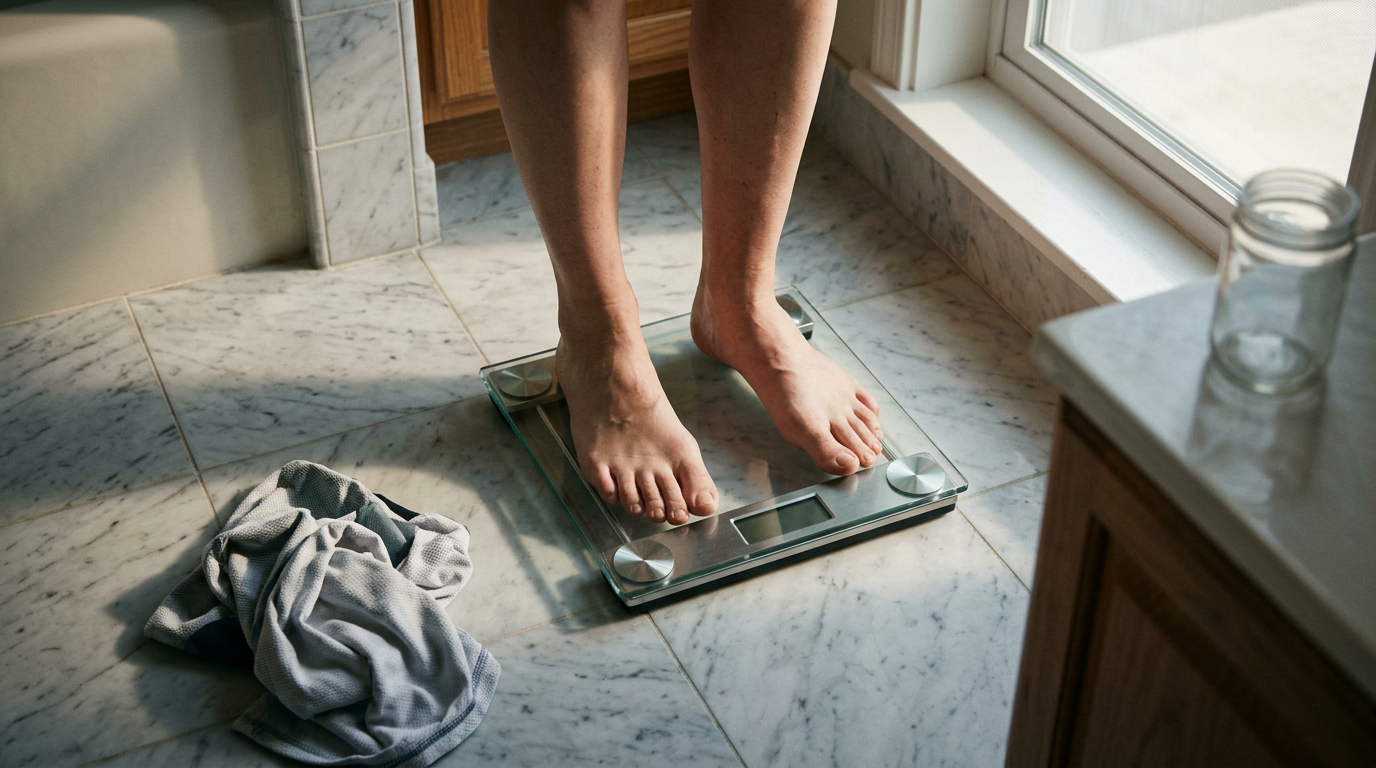
Smart scales use a technology called bioelectrical impedance analysis to estimate body composition. When you stand barefoot on the metal electrodes of the scale, a tiny, harmless electrical current passes through your body. Because fat, muscle, and water resist this electrical current differently, the scale can estimate your overall body composition based on the speed of the current.
These devices claim to measure several distinct metrics. This includes muscle mass, bone density, and visceral fat, which is the fat stored around your abdominal organs. They also track body water percentage. However, it is vital to know that these metrics are estimates based on mathematical algorithms rather than direct clinical measurements.
For most users, the exact numbers on a smart scale are less important than the overall trends. If you use the scale under the same conditions every day, the upward or downward curve of your body fat percentage will still provide valuable feedback. To find models that balance these complex metrics with simple interfaces, look at the Best Body Weight Scales: 4 Picks Compared for curated recommendations.
 See the picks in our buying guide
How to Test and Set Up Your Scale for Accuracy
Once you bring a scale home, proper setup is critical to ensure you get reliable numbers. Even the most expensive scale will give inaccurate readings if placed on the wrong surface or handled incorrectly. Below is a straightforward routine to ensure your measurements are as precise as possible.
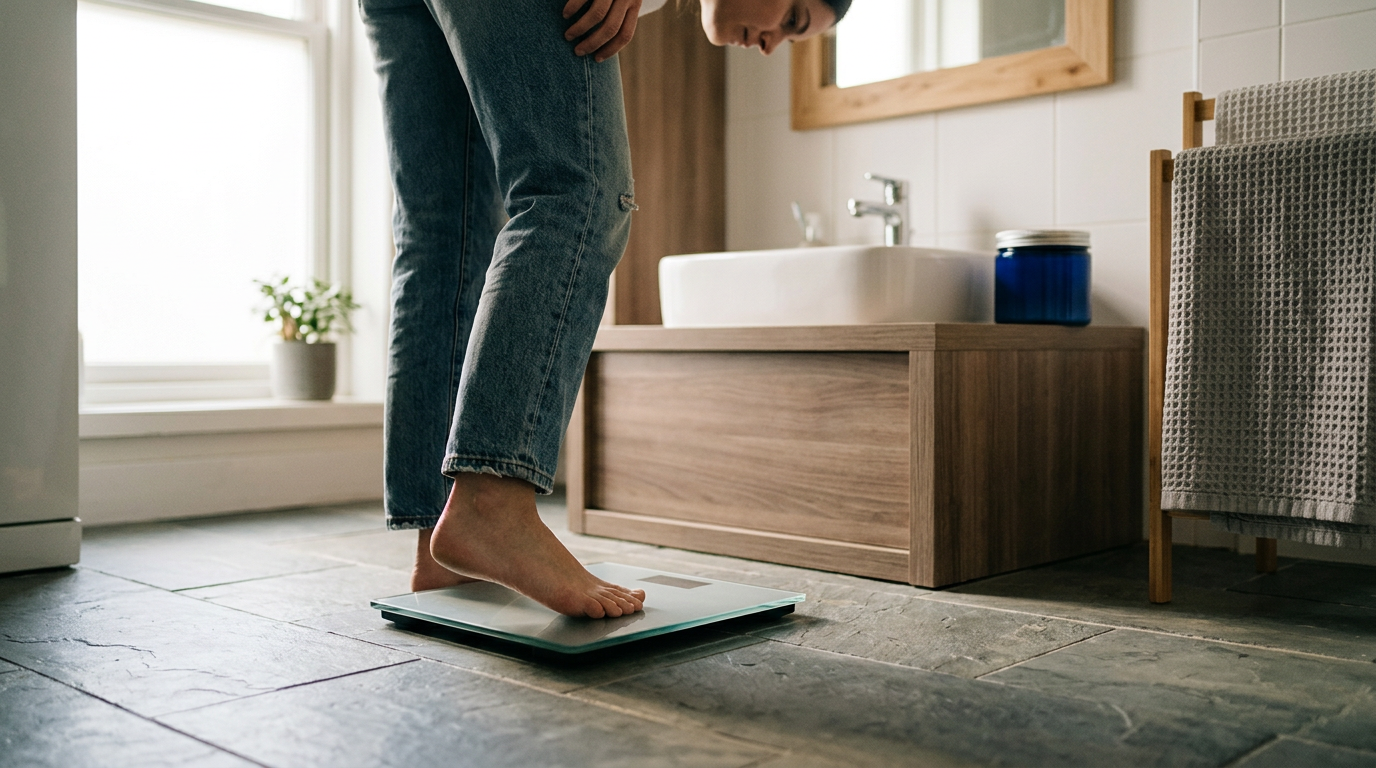
- Place the scale on a hard, flat surface. Avoid putting it on rugs, carpets, or uneven linoleum, which absorb some of your weight and cause artificially low readings.
- Calibrate the scale before your first use. Perform calibrating by stepping on the scale briefly to wake it up, stepping off, and letting it return to zero.
- Choose a consistent time for your daily weigh-ins. Weighing yourself first thing in the morning after using the bathroom but before eating yields the most reliable progress data.
- Stand completely still with your weight balanced evenly. Keep your feet placed symmetrically on the platform to avoid shifting the pressure on the internal sensors.
Hardware and Connectivity Features That Matter
Beyond the internal sensors, physical design features play a huge role in how much you enjoy using your scale. Platform size is one often-overlooked factor. If you have larger feet, a narrow scale can feel unstable and make it difficult to stand in a natural position. Look for tempered glass or textured plastic platforms that offer plenty of surface area and slip resistance.
Power source is another practical consideration. Some scales use standard AAA batteries, while others feature built-in rechargeable batteries. High-drain smart scales can run through disposable batteries quickly, making rechargeable models or those with long-lasting lithium batteries highly appealing.
For connected devices, the choice between Bluetooth and Wi-Fi is critical. Bluetooth scales require you to have your phone nearby with the companion app open to record your weight. In contrast, if you select a scale that uses Wi-Fi connectivity rather than relying solely on Bluetooth, the scale will upload your data directly to the cloud automatically, allowing you to view your trends on your phone whenever it is convenient.
Which Scale Should You Pick for Your Household?
Choosing the perfect model depends entirely on your personal wellness goals and daily habits. Different households have different needs, so matching the scale's features to your lifestyle will prevent frustration.
If you are tracking a weight loss journey, basic health goals, or simply want to check in occasionally, you should opt for a basic digital scale without smart features if you only care about tracking overall weight. These models are incredibly easy to use, require zero app setups, and provide instant, accurate numbers without any digital clutter.
If you are an athlete, a fitness enthusiast tracking muscle growth, or someone who loves analyzing health trends, a smart scale is the better match. These devices are excellent for monitoring how your body composition shifts over months of training. To compare the top options in both categories, check out our guide on the Best Body Weight Scales: 4 Picks Compared.
Making Sense of the Weight Data
It is easy to get discouraged by daily weight fluctuations. Your body weight can fluctuate by several pounds throughout a single day due to hydration levels, sodium intake, digestion, and stress. This is why viewing your weight as a single, static number can be misleading.
Instead of focusing on daily ups and downs, look at your weekly averages. A weekly average smooths out the natural spikes caused by water retention or a heavy meal. Many smart scale apps do this automatically, plotting a trendline that shows whether your weight is generally moving in your desired direction.
Remember that body weight is only one component of health. If you are lifting weights, you might gain muscle while losing fat, resulting in a stable scale number even though your body composition is improving. Understanding this dynamic will help you maintain a positive, healthy relationship with your scale.
Frequently asked
Sources

As an Amazon Associate I earn from qualifying purchases. This does not affect the price you pay. Affiliate disclosure