
How Do You Choose the Right Kids' Water Bottle?
Select the ideal kids' water bottle by balancing size, material durability, spill-resistant lids, and how easily your child can carry and clean it.
This article is informational and does not place shopping buttons in the story. Related buying guides may include affiliate links.
As an Amazon Associate I earn from qualifying purchases. This does not affect the price you pay. Affiliate disclosure
On this page9 sections
The short answer
- Match bottle capacity directly to age: 12 ounces for toddlers, up to 20 ounces for older children.
- Stainless steel provides excellent temperature insulation, while lightweight plastic suits active sports and lighter backpacks.
- Prioritize lids with removable silicone seals and simple mechanisms to minimize mold buildup and prevent messy leaks.
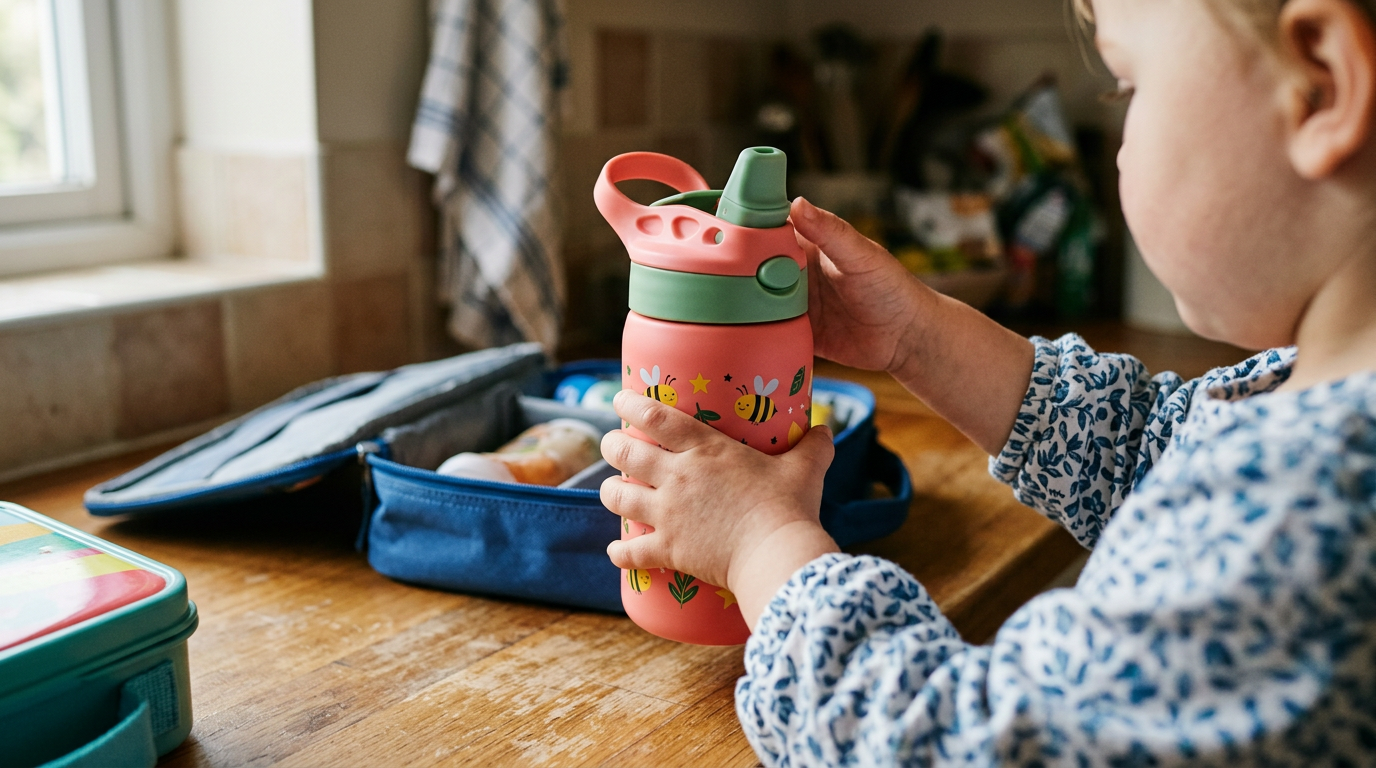
To choose the right kids' water bottle, you must match the capacity to your child's age and select a durable, leakproof material. Finding a balance between insulation weight and ease of cleaning will ensure the bottle gets daily use rather than sitting in a cupboard.
When parents evaluate hydration gear, they often get overwhelmed by hundreds of options, colorful designs, and technical jargon. The right selection keeps drinks cold, resists playground drops, and fits into side pockets without leaking all over school homework.
Finding this perfect fit involves looking closely at your child's physical development and daily routine. To explore top-rated market options once you know your target specs, read our comprehensive roundup of the Best Bottle Kids Water: Top 2026 Picks.
The quick version
- Inspect the silicone gasket
- Test the latch and button
- Check the air vent valve
- Perform a pressurized shake test
- Evaluate the drop seal integrity
Sizing and Capacity Recommendations by Age
Selecting the appropriate size is the most critical first step because an oversized bottle becomes too heavy for small hands, while an undersized one leaves children thirsty during long school hours. According to hydration guides from KissKind and CamelBak, matching capacity to physical size and age prevents hand fatigue and encourages regular drinking habits. If a bottle is too bulky, a young child might struggle to grip it, leading to frequent drops and eventual damage.
For toddlers aged one to three, a capacity of 8 to 12 ounces (approximately 237 to 355 ml) is optimal. These bottles are small enough for tiny hands to grasp securely and light enough to prevent strain. For children in preschool and early elementary grades, spanning ages four to seven, a 12 to 14-ounce bottle offers the ideal sweet spot. It provides enough water for recess and lunch without weighing down their already crowded school backpacks.
As children grow into late elementary and middle school ages, from eight years and older, their hydration needs increase significantly. At this stage, a 16 to 20-ounce bottle is appropriate, especially if they participate in after-school sports or long outdoor activities. Choosing a bottle within these recommended ranges ensures your child has access to adequate hydration without carrying unnecessary physical bulk.
Material Decisions: Stainless Steel vs. Plastic
The material of the bottle dictates its weight, durability, and temperature retention. Parents typically choose between food-grade stainless steel and various forms of durable, impact-resistant plastic. Both materials have clear benefits and distinct drawbacks that directly influence how and where your child can use the bottle safely.
To decide between these two primary options, consider how your child travels and whether cold water is a necessity during hot summer months. Here is how they compare across key categories: - Weight: Stainless steel is inherently heavy, even when empty, whereas plastic is exceptionally lightweight and easy to carry on long hikes. - Durability: Stainless steel can dent but rarely cracks, while plastic can crack or shatter if dropped forcefully on concrete or asphalt playground surfaces. - Insulation: Vacuum-insulated stainless steel keeps drinks cold for up to 24 hours, whereas single-wall plastic offers no insulation, causing ice to melt quickly and outer condensation to form. - Maintenance: High-quality plastic is usually fully dishwasher-safe, whereas many insulated stainless steel bottles require hand washing to preserve their vacuum seals and external powder coatings.
When safety is a primary concern, make sure the manufacturer specifies that the materials are free from harmful industrial compounds. According to plastic manufacturers, modern kids' bottles are typically made from copolyester plastics that do not contain BPA, BPS, or other common bisphenols.
 See the picks in our buying guide
Decoding Lid Types and Spout Designs
A water bottle is only as good as its lid design. The lid dictates how easy the bottle is to open, how well it prevents spills during active use, and how difficult it is to clean thoroughly. For younger children, a complex lid can lead to frustration, while a lid that is too simple might result in accidental spills inside a school bag.
One common option is the bite valve, which requires the child to bite down on a silicone nozzle to draw water. This design is highly spill-resistant because the valve remains closed until pressure is applied, making it excellent for car rides and toddlers. However, these valves can be difficult to clean and may wear out quickly if your child tends to chew on objects.
Another popular option is the classic straw cap, which uses a flip-up straw connected to an internal tube. This allows children to drink upright without tilting the bottle, which is ideal during class or sports. Alternatively, a chug lid or wide-mouth spout provides a high flow rate for quick drinking, but requires more coordination to prevent spills. Chug lids are generally best reserved for older kids who have developed better motor controls.
Five Steps to Verify a Leakproof Design
No parent wants to open a backpack only to find soaked homework, books, and electronics. Verifying that a kids' water bottle is genuinely leakproof before sending it to school is essential for your peace of mind. Use these structured steps to evaluate a bottle's sealing capabilities at home.
- Inspect the silicone gasket. Ensure the flexible seal inside the lid is completely seated in its groove and free of twists or gaps that allow water to bypass.
- Test the latch and button. Press the release mechanism multiple times to confirm it snaps shut firmly and does not pop open under light pressure.
- Check the air vent valve. Look for the tiny rubber vent hole that allows airflow during drinking, verifying it seals tightly when the main lid is closed.
- Perform a pressurized shake test. Fill the bottle with cold water, close the lid, and shake it upside down over a sink for fifteen seconds to check for weeping.
- Evaluate the drop seal integrity. Drop the empty bottle from table height onto a carpeted floor to ensure the lid latch does not spring open upon impact.
Following this simple evaluation process will help you identify potential sealing flaws before they cause a wet mess at school or in the car. It also helps you determine if the gasket is easy to remove for regular cleaning sessions.
Cleaning and Maintenance Realities
Over time, the dark, damp crevices of a child's water bottle can become breeding grounds for mold and bacteria. How easy a bottle is to clean should be a major factor in your purchasing decision. A bottle with too many tiny parts or hard-to-reach areas will eventually be abandoned by busy parents who do not have time for tedious hand-washing routines.
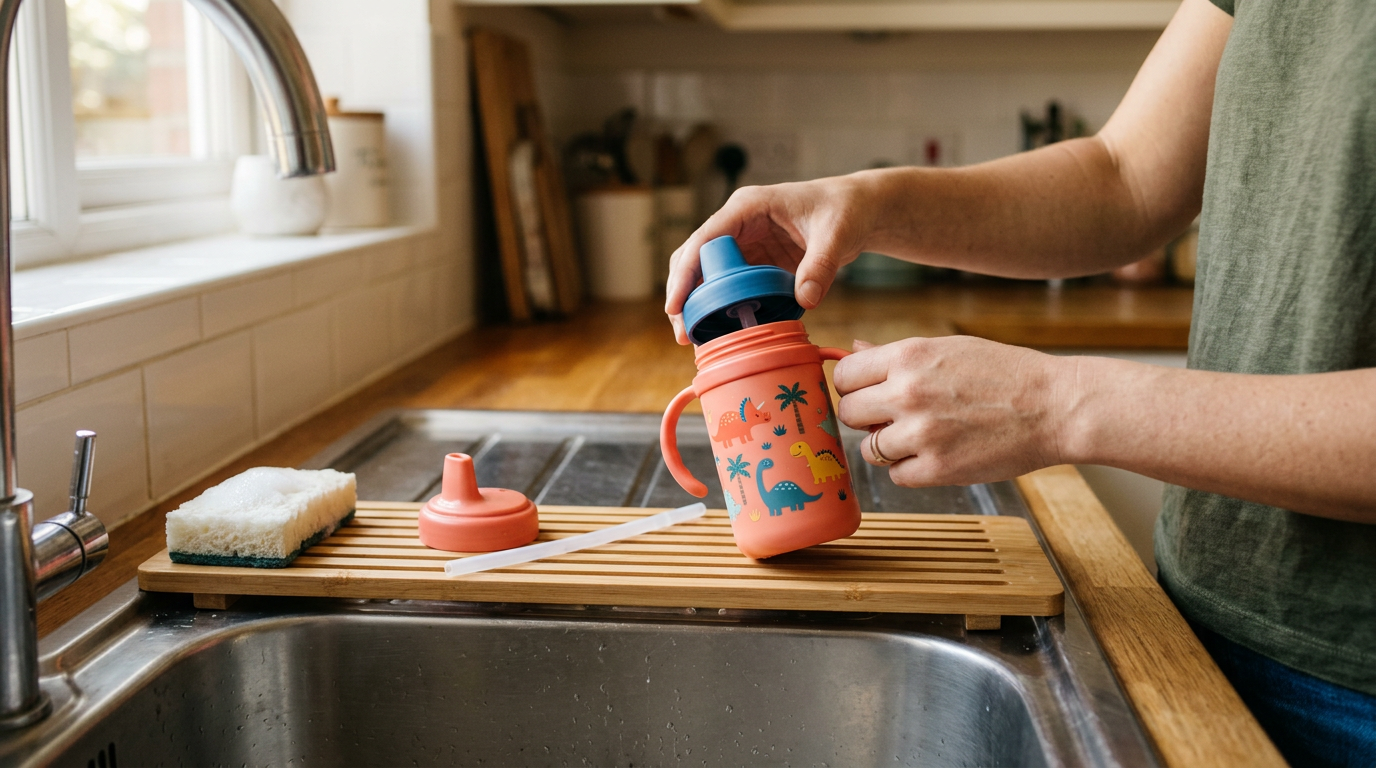
When shopping, look closely at the complexity of the lid. Some manufacturers design lids with integrated straws that require specialized, ultra-thin cleaning brushes. Others feature simplified designs with removable silicone parts that can be tossed directly into the utensil basket of a dishwasher. Parents.com advises that choosing dishwasher-safe materials saves hours of labor over the school year, though hand-washing remains the most reliable way to extend the lifespan of insulated paint finishes.
If you choose an insulated stainless steel option, plan to wash it by hand using warm, soapy water and a bottle brush. Avoid using harsh abrasive scrubbers on the exterior powder coating, as this can scratch the design and make the bottle harder to grip. To ensure your bottle stays clean, prioritize simple lid designs with removable parts that don't have deep, unreachable hidden crevices. Regularly removing the silicone seals for a deep soak in a vinegar-and-water mixture helps keep the bottle smelling fresh.
Which One Should You Pick?
Choosing the perfect bottle ultimately comes down to matching your child's age with their daily environment. If you are shopping for a toddler or preschooler who needs something lightweight and spill-proof for daycare, choose a smaller plastic bottle with a bite valve or straw lid. The lighter weight prevents hand strain, and the soft spout is gentle on developing teeth.
If you are buying for an elementary school child who spends long hours in warm classrooms or outdoors, choose an insulated stainless steel bottle with a locking lid. This ensures their water stays cold and refreshing all day, which naturally encourages them to drink more. The added weight is less of an issue for older kids, and the metal body will easily withstand playground drops.
For older children and student-athletes, choose a larger 18 to 24-ounce bottle with a fast-flowing chug spout. At this stage, they need to hydrate quickly between sports drills, and they can easily manage the heavier weight of a high-capacity insulated bottle. To compare the top options currently available across all these categories, check out our curated guide to the Best Bottle Kids Water: Top 2026 Picks.
Frequently asked
Sources
As an Amazon Associate I earn from qualifying purchases. This does not affect the price you pay. Affiliate disclosure