
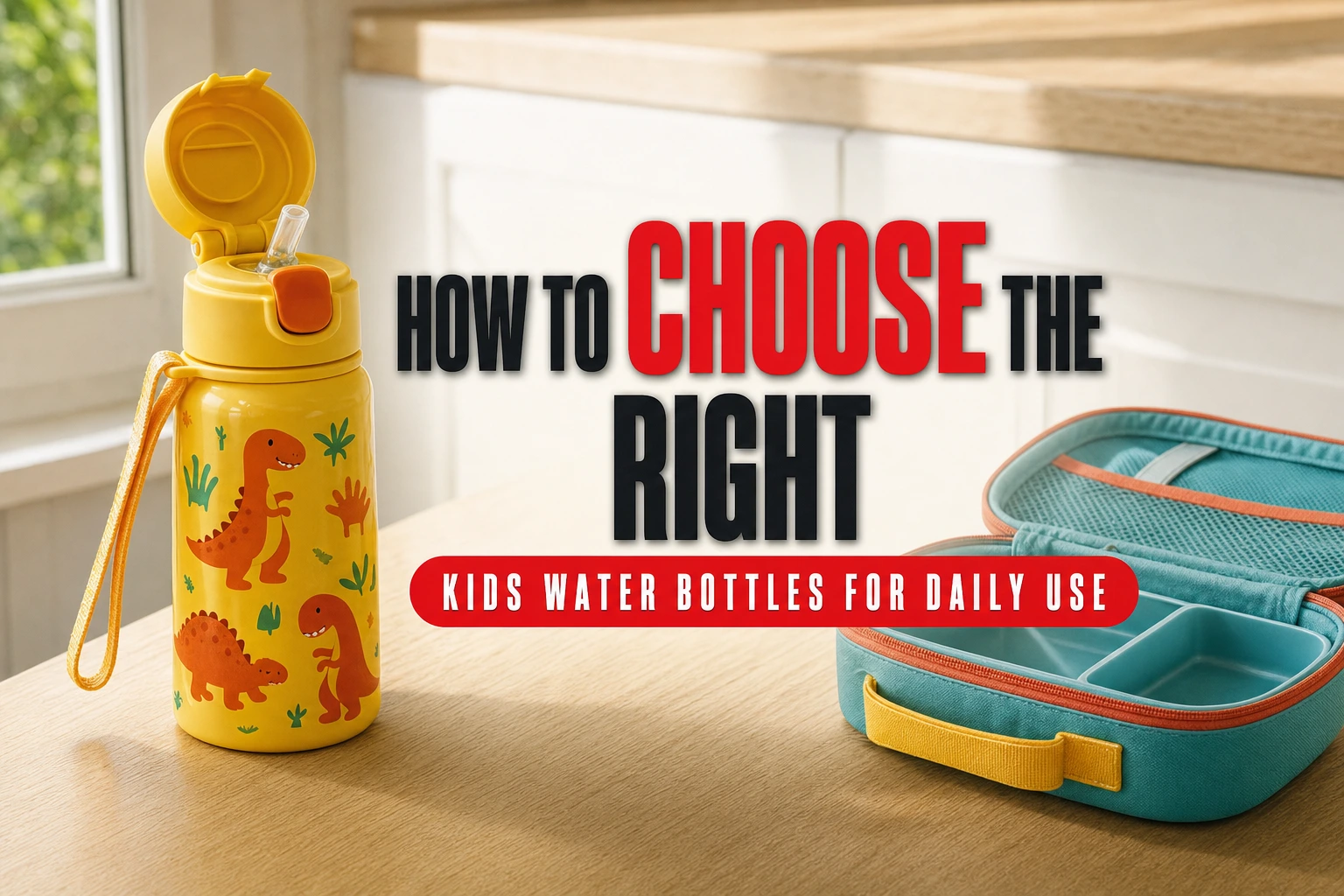
How to Choose the Right Kids Water Bottles for Daily Use
To choose the right kids water bottle, match the lid type to your child's motor skills, select a durable material, and verify that every part is easy to clean.
This article is informational and does not place shopping buttons in the story. Related buying guides may include affiliate links.
As an Amazon Associate I earn from qualifying purchases. This does not affect the price you pay. Affiliate disclosure
On this page8 sections
The short answer
- Match the lid style directly to your child's age and motor skills to avoid leaks and frustration.
- Choose insulated stainless steel for temperature control, or lightweight plastic for easy carrying during active days.
- Prioritize simple designs with few small parts so you can thoroughly clean the bottle and reduce mold buildup.
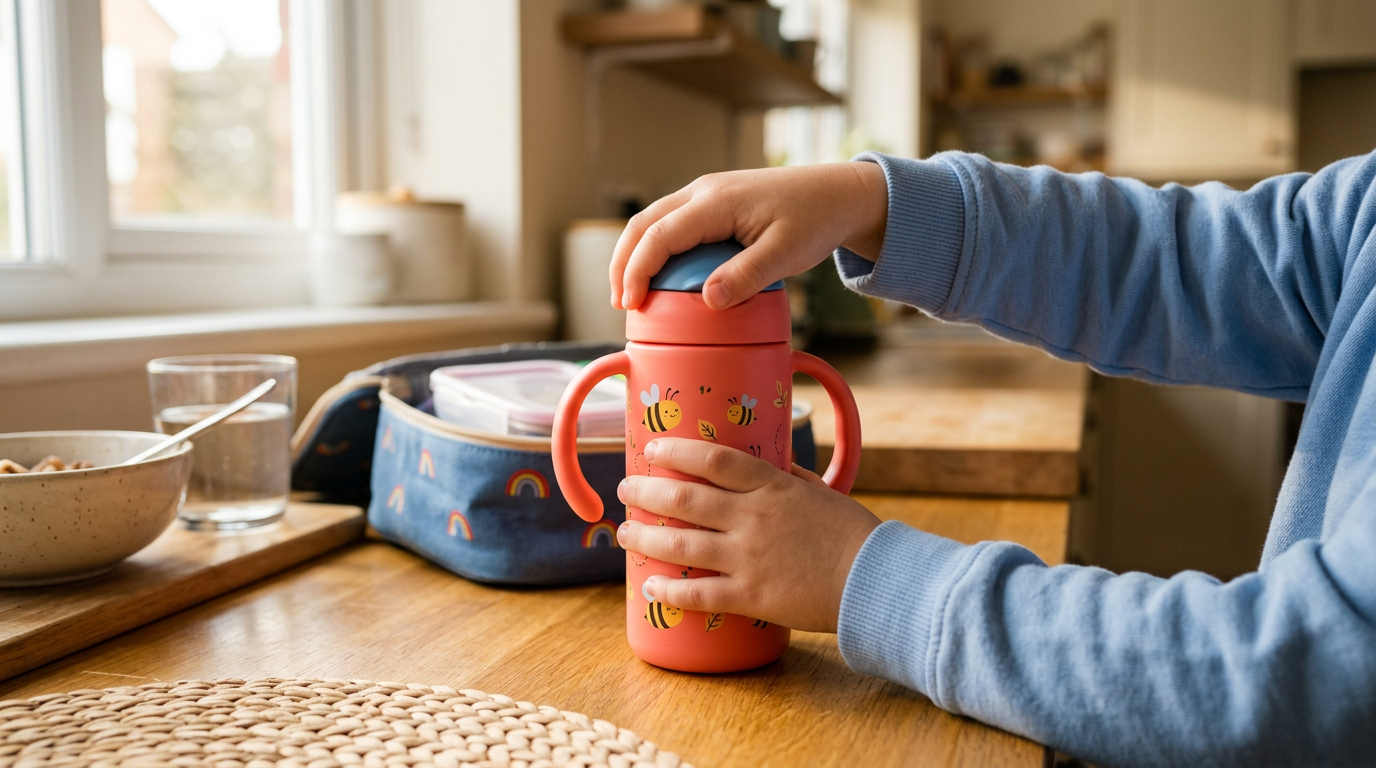
To choose the right kids water bottles, match the lid style to your child's age, select a durable material, and ensure all parts disassemble easily for cleaning. This keeps drinks fresh and prevents frustrating leaks at school.
Finding a reliable container involves balancing durability, weight, and usability. Younger children need simple interfaces they can manage independently, while older kids might prioritize thermal performance or specific carrying options. Navigating these options helps you avoid bottles that end up sitting unused in a cupboard.
By evaluating a few key structural features, you can find a bottle that fits seamlessly into your family's daily routine. For a complete list of top-performing options, check out our guide to the Best Kids Water Bottles: Top 2026 Picks.
The quick version
- Count the individual parts
- Inspect the lid crevices
- Check the silicone gaskets
- Verify dishwasher safety
- Look at the mouth width
Choosing Material: Stainless Steel vs. Plastic
Selecting the right material is the first major decision when buying a hydration vessel for your child. The two most common choices are stainless steel and plastic, each offering distinct advantages for different ages. Stainless steel is highly durable and resists denting, making it excellent for kids who drop their belongings frequently on hard school playground asphalt.
Plastic bottles are typically made from lightweight, impact-resistant polymers. These containers are incredibly easy for toddlers to lift and carry in their backpack side pockets without adding unnecessary bulk. Many manufacturers use specialized copolyester plastics, which offer crystal-clear walls so you can easily see how much water remains inside throughout the day.
Let's compare these two primary materials side by side to see how they perform in daily scenarios:
- Durability: Stainless steel resists heavy drops and impacts without cracking, while plastic can scratch or break under intense use.
- Weight: Plastic is incredibly lightweight and easy for small hands, whereas insulated steel adds noticeable weight even when empty.
- Temperature Control: Stainless steel often features double-walled vacuum insulation to keep drinks cold for hours, while standard plastic lacks temperature control.
Decoding Lid Mechanisms and Age Appropriateness
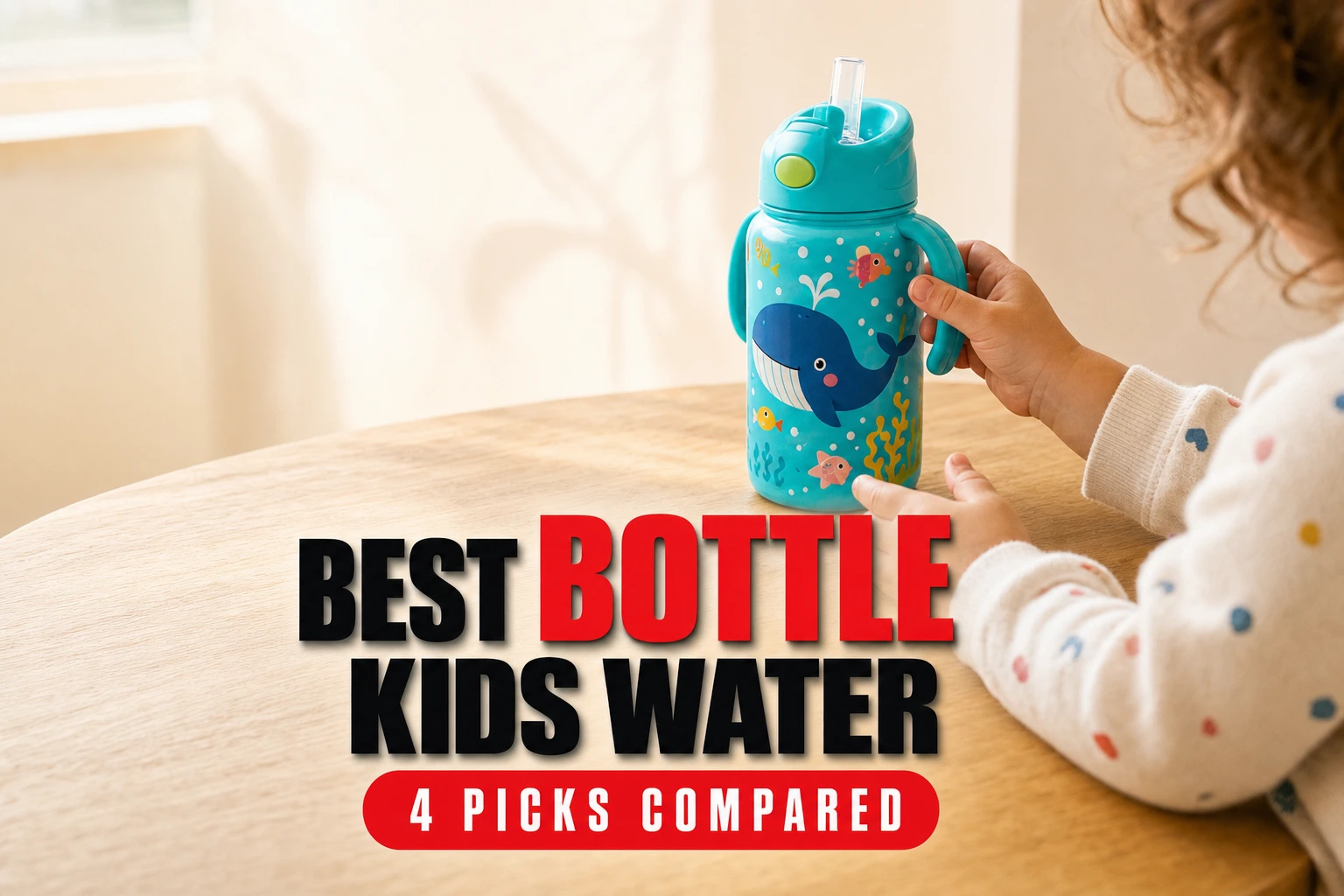
The lid style determines how easily your child can drink without spilling on their clothes. For toddlers, bite valves or soft silicone straws are ideal because they require minimal coordination to operate. These designs often shut automatically when the child stops drinking, which minimizes spills during active play inside the classroom or in the car.
Preschoolers and early elementary students usually prefer pop-up straws or push-button lids. These mechanisms keep the drinking surface protected from dirt, dust, and classroom germs when the bottle is sealed. They also encourage independence, as children can open them with a single press of a thumb without needing adult help.
Older children often transition to free-flow spouts or chug lids. These spouts allow for faster hydration during sports or recess when they need to drink quickly. However, they lack automatic spill protection, so they are best reserved for older kids who can reliably screw a cap back on after taking a drink.
 See the picks in our buying guide
Steps to Evaluate Bottle Cleanability
Mold buildup is a common issue with children's cups because of lingering moisture. Bottles with complex valving, narrow built-in straws, and deep crevices are incredibly difficult to sanitize at the end of the day. To ensure you can keep a bottle clean, you should systematically evaluate its parts before making a final purchase.
Let's look at the steps to assess how easy a bottle will be to clean on a daily basis:
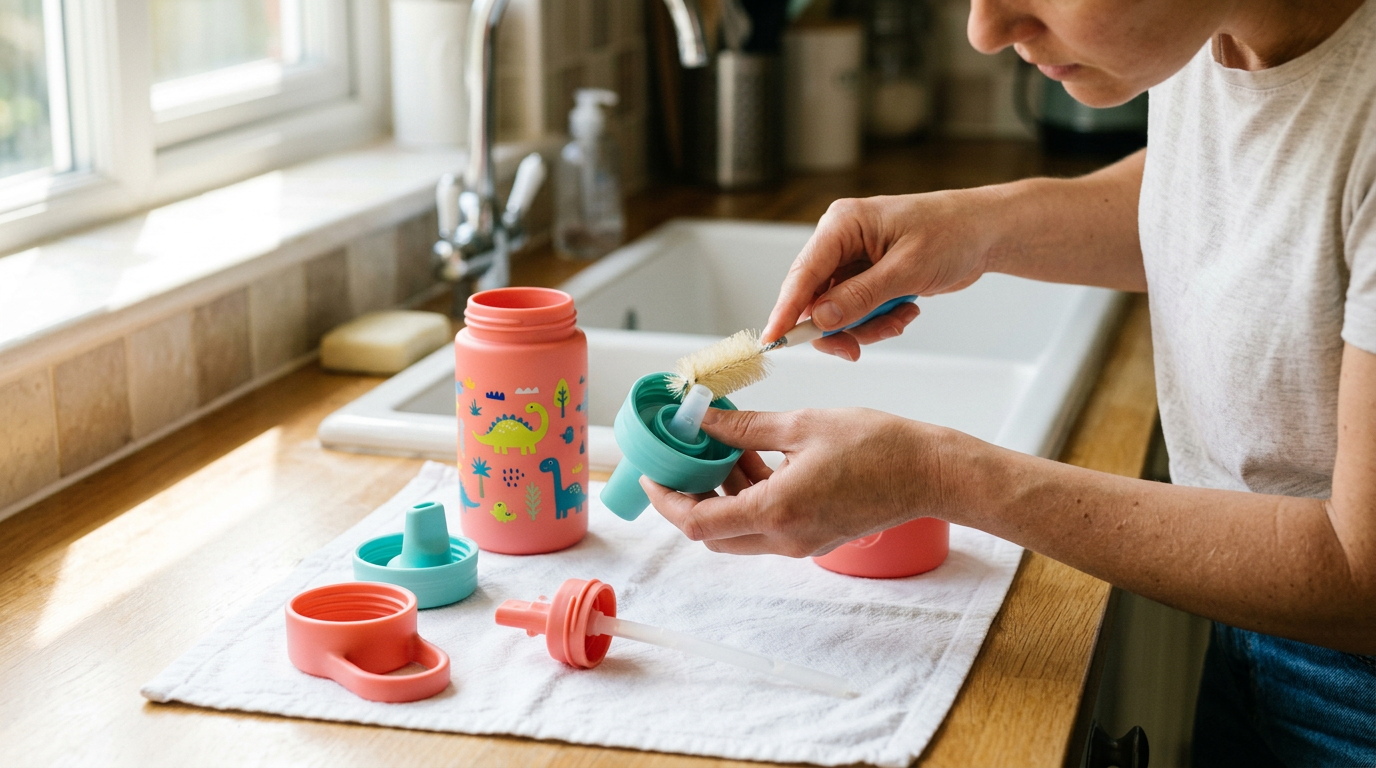
- Count the individual parts. Look for bottles that disassemble into three or fewer separate pieces to save time during nightly washing.
- Inspect the lid crevices. Avoid lids with deep, narrow channels that a standard bottle brush cannot reach easily without special tools.
- Check the silicone gaskets. Ensure you can easily remove the gasket or sealing ring to wash away trapped moisture underneath.
- Verify dishwasher safety. Confirm whether the manufacturer recommends top-rack dishwasher cleaning or strictly manual hand washing to prevent melting.
- Look at the mouth width. Wide-mouth bottles make it easier to scrub the interior walls and allow you to drop in ice cubes easily.
A simple design with removable silicone parts is always easier to maintain over months of daily school use. Skipping these simple checks can result in hidden mold growth, which can cause unpleasant odors and hygiene issues. Taking a few seconds to inspect these parts saves significant cleaning time later.
Understanding Insulation and Volume Capacity
Water bottles generally come in insulated or uninsulated varieties. Vacuum insulation uses a double-wall design with an empty space between the layers, which prevents heat transfer from the outside environment. This mechanism keeps drinks cold for hours, even when the bottle sits in a hot backpack during summer recess.
Uninsulated bottles are lighter and hold more liquid relative to their physical footprint. They are perfect for short trips or indoor activities where cold temperatures are not a priority. However, they will sweat when filled with ice water, creating external condensation that can wet school papers and books inside a backpack.
A standard toddler bottle holds about 9 to 12 ounces (266 to 355 mL), which is light enough for them to carry independently. Older children need 14 to 20 ounces (414 to 591 mL) to get through a full school day without constant refills.
Which One Should You Pick for Your Child?
Your choice should depend on where and how your child will use the bottle most often. For daycare and preschool, a lightweight plastic bottle with a soft straw lid is often the most practical choice. It fits easily into small cubbies, is lightweight, and will not cause injury or loud noises if dropped on a foot.
For elementary school, an insulated stainless steel bottle with a push-button lid is highly recommended. It keeps water cold during long days and easily resists the inevitable drops on concrete play areas. You can browse several top-rated models in our curated guide of Best Kids Water Bottles: Top 2026 Picks.
If your child participates in active sports, look for a larger capacity bottle with a chug lid or a sturdy carry loop. This allows for quick, high-volume sips on the sidelines. Ensure the exterior has a textured powder coat finish to help sweaty hands maintain a secure grip during intense games.
Preventing Common Leaks and Damage
Even the most durable bottles can leak if they are not assembled correctly after cleaning. When putting a bottle back together after washing, make sure the silicone seals are seated completely flat in their designated grooves. A slightly twisted gasket is the primary cause of sudden backpack spills that ruin homework.
Teach your child to close the protective cap fully until they hear a distinct clicking sound. Many leak-proof designs only work when the dust cover or lid latch is completely engaged by the user. Showing them how to do this simple check will save you from soggy backpacks and wet car seats.
Be cautious of dropping insulated stainless steel bottles on hard concrete surfaces. While the steel is tough, severe impacts can break the vacuum seal between the double walls. If you hear a rattling sound inside the bottle or notice the exterior sweating, the insulation has likely failed and the bottle needs replacing.
Frequently asked
As an Amazon Associate I earn from qualifying purchases. This does not affect the price you pay. Affiliate disclosure