
How to Choose the Right ChatGPT Review
Choose a ChatGPT review that is current, transparent about limitations, and based on relevant workflows rather than a generic feature list.
Some links are affiliate links: we may earn a commission if you sign up or buy through them, at no extra cost to you.
On this page9 sections
- 1The short answer
- 2How Do You Choose the Right ChatGPT Review?
- 3Check the Review’s Scope, Method and Currency
- 4Evaluate Workflow Evidence, Not Feature Lists
- 5Assess Interface and File-Handling Coverage
- 6Judge Comparisons by Shared Tasks and Criteria
- 7Look for Limitations, Verification and Disclosure
- 8Choose Coverage That Matches Your Account Needs
- 9Frequently asked
The short answer
- Prioritize reviews that evaluate specific workflows like programming, document parsing, and creative composition rather than generic feature lists.
- Look for comparisons showing how the interface handles complex logic compared to competitor platforms like Claude.
- Ensure the review details practical limitations, such as context memory caps and tool integration constraints.
To choose the right ChatGPT review, look for a current assessment that explains who the tool suits, tests workflows relevant to you, and reports limitations alongside strengths. Prioritize specific examples, clear comparison criteria, interface evidence, and update details. Avoid reviews that merely repeat feature lists or make broad claims without showing how conclusions were reached.
Evaluating productivity software requires moving past superficial summaries. Because generative AI changes rapidly, older write-ups may not reflect the interface, available models, usage limits, or supported tools a reader will encounter. A useful evaluation should state what was assessed and distinguish observed behavior from general product description.
Before relying on any verdict, decide whether your priority is writing, coding, research, file analysis, voice interaction, or another workflow. Then choose a review whose evidence matches that need. Our detailed ChatGPT review provides additional context on the platform and its core workflows.
How Do You Choose the Right ChatGPT Review?
Start by defining the decision the review needs to support. A freelancer assessing writing assistance needs different evidence from a developer examining code generation or an analyst working with documents. The right ChatGPT review should test the tasks you expect to perform, explain the conditions of those checks, and identify where the results were inconsistent or required correction.
Next, check whether the review separates product description from evaluation. A list of models, buttons, and tools tells you what may be present, but not whether those features are useful for your work. Strong reviews discuss output quality, ease of use, reliability, and limitations through concrete examples. They also explain whether conclusions apply broadly or only to a particular prompt, file, model, or workflow.
Finally, look for a visible update note and precise product terminology. AI software changes frequently, so an undated review or one using obsolete interface descriptions may be less useful. Use our full ChatGPT assessment as further reading after applying these checks.
Check the Review’s Scope, Method and Currency
A credible review should make its scope easy to understand. Look for an explanation of which tasks, features, or models were considered and what evidence supports the conclusions. If the writer discusses document analysis, for example, the review should identify the type of document and the task attempted rather than simply saying the feature works well.
Specific methods are more useful than sweeping verdicts. Useful details can include the prompts used, whether outputs were checked, how follow-up instructions affected the result, and whether the same task produced inconsistent answers. A review does not need to disclose every interaction, but it should provide enough context for readers to judge the claims.
Currency matters as much as method. Check the publication or update information, then compare the terminology and screenshots with the current product. A review can still offer valuable workflow analysis after an interface change, but claims about model access, usage limits, or controls may become outdated. Be cautious of unsupported statements about exact update schedules or permanent feature availability.
Evaluate Workflow Evidence, Not Feature Lists
A feature list can establish scope, but it rarely answers whether ChatGPT fits a particular workflow. Look for reviews that follow a task from initial prompt to usable result. For writing, that could mean drafting, revising tone, checking structure, and correcting unsupported statements. For coding, it could include generating a small function, explaining it, identifying an error, and revising the solution after feedback.
Document workflows deserve similar detail. A useful review should explain how files were introduced, what information the system was asked to retrieve, and whether the output remained grounded in the supplied material. It should also note any trouble with complex layouts, ambiguous instructions, or extended conversations. The relevant context window affects how much material a model can consider, but a quoted limit alone does not prove reliable recall.
Look for evidence of correction and verification, not just an impressive first response. Generative systems can produce hallucinations—plausible but unsupported statements—so a responsible review should discuss fact-checking and human oversight. The ChatGPT review and workflow guide offers more detail on evaluating these practical uses.
Assess Interface and File-Handling Coverage
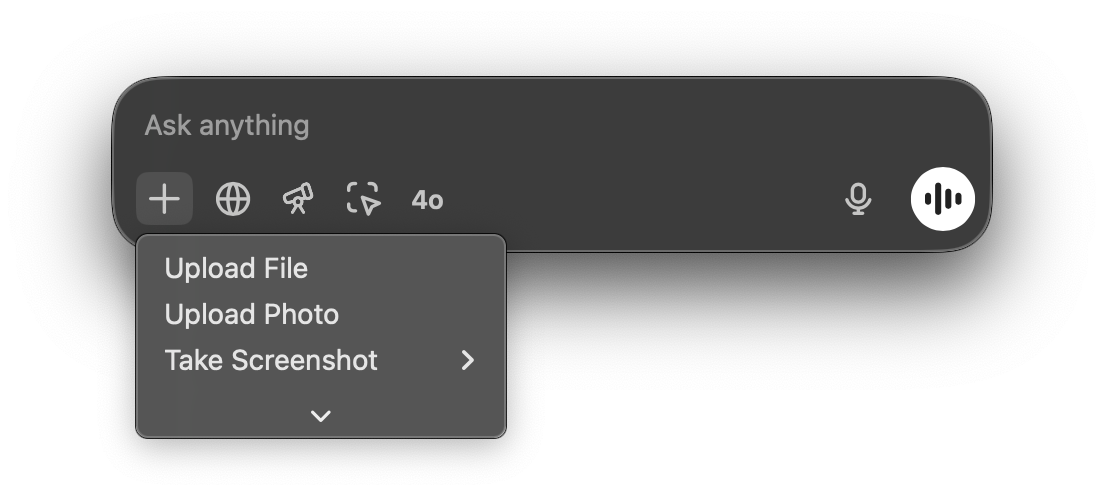
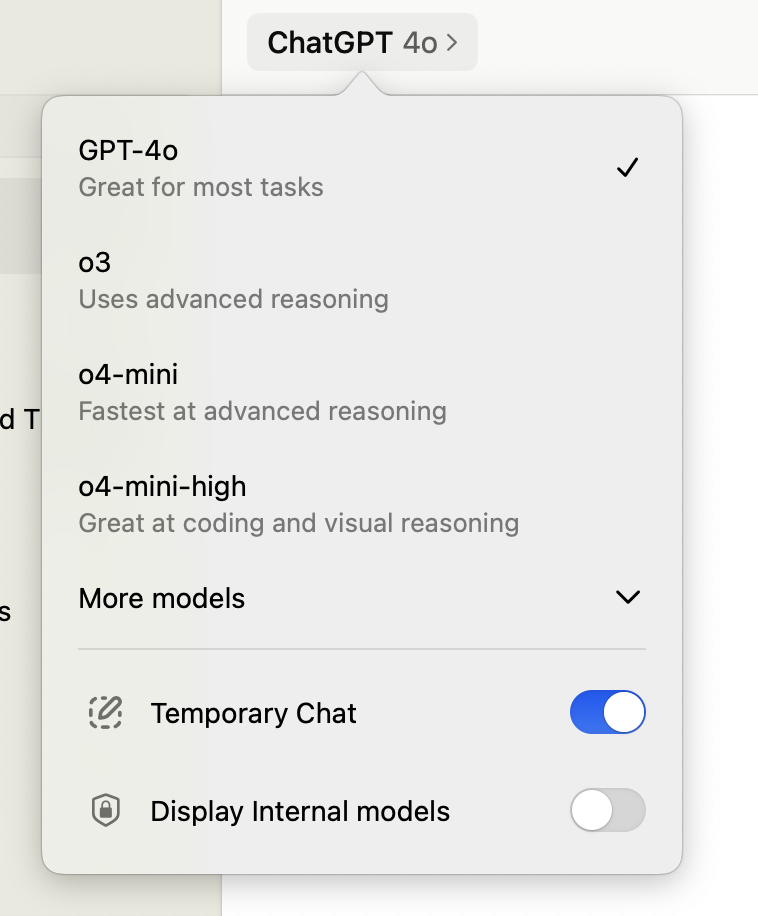
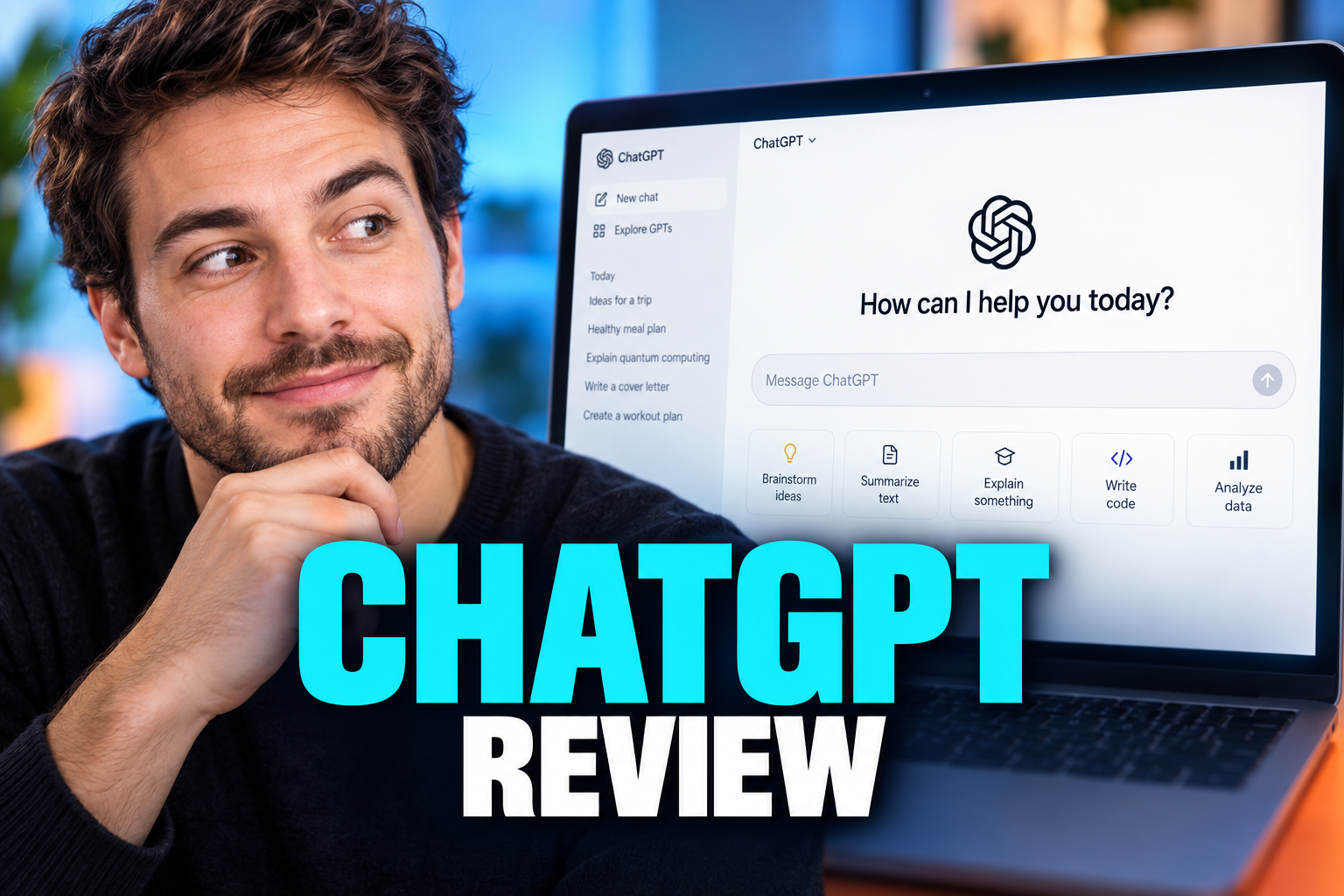
Interface coverage is useful when it explains how design affects repeated work. Reviews may discuss conversation history, navigation, prompt entry, file attachment, model selection, custom tools, or account controls, but those elements should be connected to practical questions. Can a user find an earlier thread? Is it clear which model or mode is active? Are attachments easy to manage? Does the review explain what happens after a file is added?
Screenshots can support these observations, provided they are legible and current enough to illustrate the point. A screenshot is evidence of an interface state, not proof of performance. The accompanying text should explain why a control matters and identify any uncertainty caused by account type, staged rollouts, or later redesigns.
For file analysis, favor reviews that describe the task and resulting output instead of focusing only on the attachment button. Useful coverage might consider PDFs, spreadsheets, code, or images, but it should avoid implying that one successful example establishes universal reliability. Multi-turn analysis is especially relevant because the system may need to retain instructions while answering follow-up questions.
Judge Comparisons by Shared Tasks and Criteria
Comparisons can help if every tool receives the same task, source material, and evaluation criteria. A review that calls one assistant better at writing and another better at coding without showing comparable evidence offers little guidance. Look for side-by-side examples and clearly defined standards, such as factual accuracy, instruction-following, editability, response organization, or the amount of correction required.
Comparative claims should also acknowledge configuration. Results can differ by model, mode, prompt, uploaded context, and enabled tools. A fair review identifies these conditions instead of treating a single output as a permanent characteristic of an entire service. It should also distinguish stylistic preference from measurable errors. A reader may prefer concise prose, for example, while another values extensive explanation.
Be wary of comparisons that rely on vague labels such as “more human” or “more intelligent” without examples. For coding and mathematical tasks, look for validation against expected results rather than confident presentation. For long conversations, reviews should discuss practical context retention instead of assuming that a larger token limit always produces more dependable answers.
Look for Limitations, Verification and Disclosure
Balanced reviews identify failure modes. These may include unsupported factual claims, misread instructions, weak citations, formatting errors, incomplete file interpretation, or answers that change after a follow-up. The presence of a limitation does not settle whether the software is suitable; it helps readers understand where verification or a different tool may be necessary.
Pay attention to how the author handles hallucination rate claims. Unless a rate comes from a clearly identified methodology and source, it should not be presented as a universal measure of accuracy. A qualitative account of specific errors can be more informative than a percentage stripped of context. Reviews should likewise avoid implying that fluent language proves correctness.
Disclosure matters, too. Readers should be able to distinguish independent editorial judgment from sponsored material, affiliate incentives, or copied promotional language. The absence of product links does not by itself establish independence, so assess the evidence and wording. A trustworthy review explains uncertainty rather than hiding it. If every feature is described positively and no trade-offs appear, consult another source.
Choose Coverage That Matches Your Account Needs
A review may discuss free, paid, team, enterprise, or developer access, but it should not assume that one option suits everyone. Instead, it should connect account differences to workflows, usage patterns, administrative needs, and any limits documented at the time of writing. Exact access and limits can change, so current official information is the appropriate place to confirm them.
For occasional brainstorming or light editing, readers may care most about basic availability and output quality. People handling longer documents, repeated analysis, collaborative work, or specialized tools may need coverage of file support, model access, workspace controls, privacy settings, and usage constraints. Developers may also need a clear distinction between the consumer chat interface and API-based integrations.
Treat a review’s tier recommendation as a framework, not a final instruction. Check whether the writer explains the assumptions behind it and whether those assumptions match your own volume, task complexity, and tolerance for limits. For a broader product overview before making that assessment, read our independent ChatGPT review.
Frequently asked
As an Amazon Associate I earn from qualifying purchases. This does not affect the price you pay. Affiliate disclosure