
Is a Body Weight Scale Worth Buying in 2026?
A body weight scale is worth buying in 2026 if consistent weight trends will help you monitor your routine. Basic models suit simple weighing, while smart scales add automatic logging and body composition estimates.
This article is informational and does not place shopping buttons in the story. Related buying guides may include affiliate links.
As an Amazon Associate I earn from qualifying purchases. This does not affect the price you pay. Affiliate disclosure
On this page9 sections
- 1The short answer
- 2Is a Body Weight Scale Worth Buying in 2026?
- 3How Modern Digital Scales Measure Weight
- 4What Smart Scale Metrics Can and Cannot Tell You
- 5How to Get More Consistent Scale Readings
- 6Basic Digital Scale vs Smart Scale
- 7Who May Benefit—and Who Should Be Cautious
- 8What to Check Before You Buy
- 9Frequently asked
The short answer
- Scales are worth it for tracking long-term trends rather than daily weight fluctuations.
- Smart scales offer body composition data, but basic digital scales are highly accurate and cheaper.
- Consistency in when and how you weigh yourself matters more than high-end features.
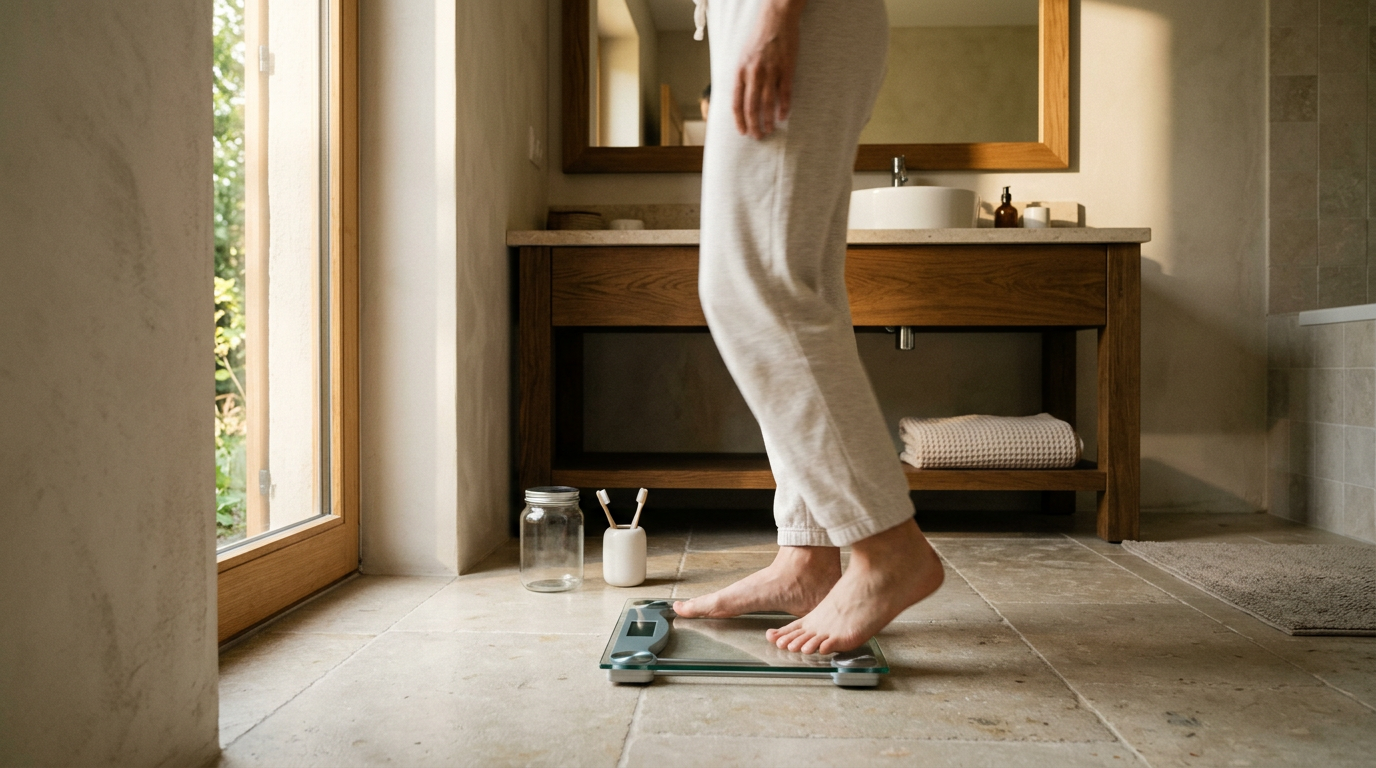
Yes, a body weight scale is worth buying in 2026 if you want a convenient way to monitor weight trends at home. A basic digital scale is enough for most people; a smart model may be worthwhile if automatic logging, multiple profiles, or estimated body composition helps you stay consistent.
A scale is less useful if daily numbers cause distress, you will not use it regularly, or you expect it to diagnose health conditions. Weight naturally changes with hydration, meals, clothing, and time of day, so long-term trends matter more than individual readings.
The right choice depends on what you plan to track and how much data you want to manage. This guide explains the practical benefits and limitations, how digital and smart scales differ, and how to get readings that are easier to compare.
The quick version
- Place the scale on a hard,
- Weigh yourself at a similar time
- Wear a similar amount of clothing
- Stand still with your feet positioned
- Record measurements consistently, either in an
- If a result seems unusual, check
Is a Body Weight Scale Worth Buying in 2026?
For many households, the answer is yes—but the value comes from consistent trend tracking, not from any single number. A home scale gives you a repeatable measurement that can be recorded manually or stored automatically, depending on the model. It can support weight-management routines, fitness tracking, or general awareness without requiring a trip elsewhere to weigh yourself.
However, buying a scale may not be worthwhile if you do not have a clear use for the information. Smart features also add little value if you prefer a simple display and never review charts. People who find weighing emotionally difficult may prefer another way to monitor their routines and can discuss suitable options with a healthcare professional.
Before choosing a type, decide whether you need only body weight or want app-based records and estimates of body composition. Our body weight scale comparison provides a focused overview of four options after you have identified the features that suit your routine.
How Modern Digital Scales Measure Weight
Modern digital scales use electronic strain gauge sensors to measure the force placed on the platform. These components change electrical resistance slightly under pressure, allowing the scale to calculate and display weight. Unlike an analog dial, a digital screen removes the need to interpret the position of a moving needle.
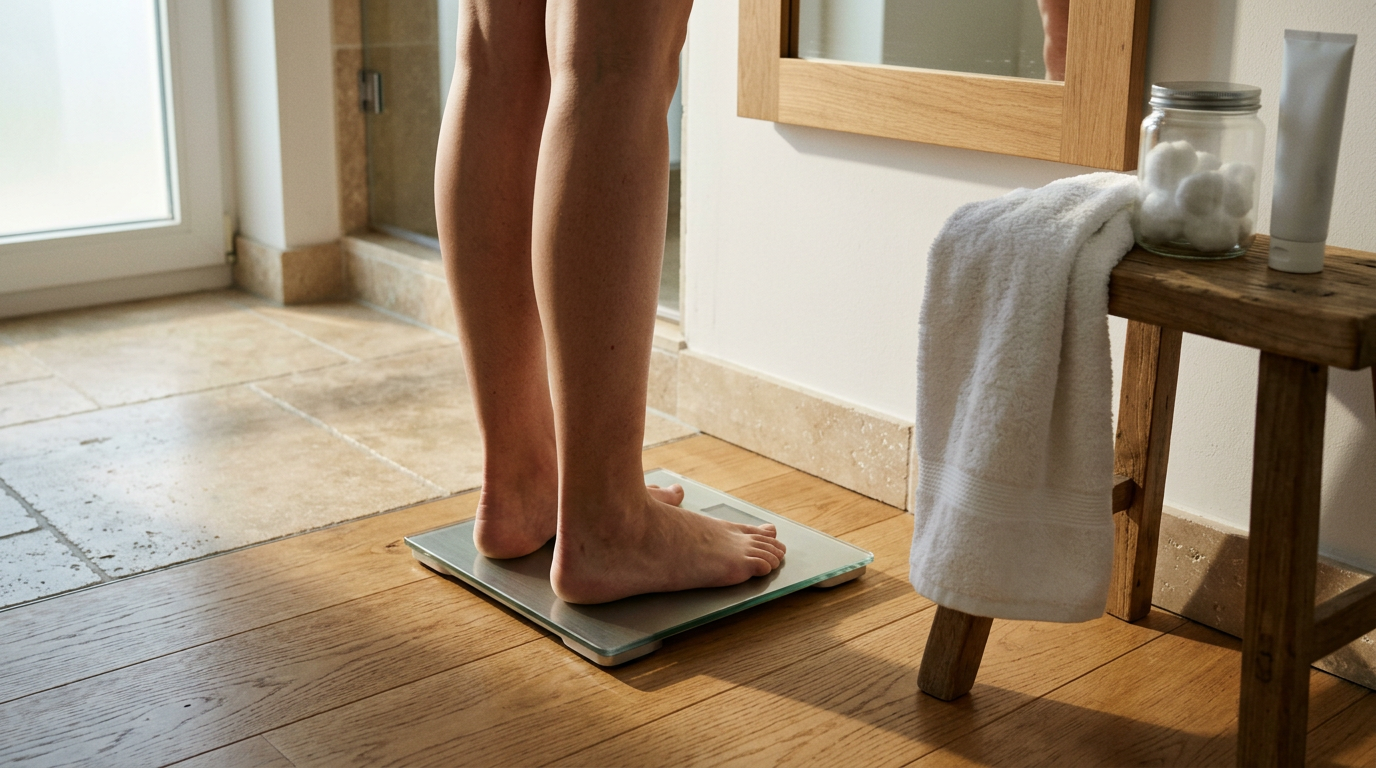
The reading can still be affected by setup and use. A hard, level floor gives the scale a stable base, while carpet, an uneven tile, or movement during measurement can produce inconsistent results. Low batteries may also affect operation, so follow the model’s instructions if readings become erratic or an error message appears.
A digital display does not make every scale equally suitable for every user. Check that the platform dimensions, display size, stated capacity, measurement units, and controls match the intended household. If several people will use it, enough standing space and a display that is easy to read may matter more than extra metrics.
 See the picks in our buying guide
What Smart Scale Metrics Can and Cannot Tell You
Smart scales may use bioelectrical impedance analysis to estimate body composition. The scale passes a low electrical current through the body and uses the measured resistance, along with profile information entered in the app, to calculate estimates such as body fat, muscle mass, body water, or visceral fat.
These figures are estimates rather than direct clinical measurements. Hydration, recent exercise, food intake, skin temperature, foot placement, and other variables can change the result. For that reason, body composition trends are more useful than isolated estimates, particularly when weigh-ins happen under similar conditions.
Connected models may also store weight automatically, display charts, recognize different users, and share data with compatible health apps. Those conveniences can reduce manual record-keeping, but they introduce setup, account, connectivity, and privacy considerations. Review what information the app collects, where it stores data, whether an account is required, and whether core scale functions continue without the app before choosing a connected model.
How to Get More Consistent Scale Readings
Getting useful data from a scale requires a consistent routine. Body weight can change during the day because of hydration, meals, digestion, activity, and clothing, so measurements taken under different conditions are difficult to compare.
- Place the scale on a hard, level surface. Avoid carpet, rugs, or unstable flooring unless the manufacturer specifically says the model supports them.
- Weigh yourself at a similar time and under similar conditions. Many people choose the morning after using the bathroom and before eating or drinking.
- Wear a similar amount of clothing for each measurement. Shoes and heavier garments can change the displayed weight.
- Stand still with your feet positioned as directed in the manual. Movement or uneven placement may lead to varying readings.
- Record measurements consistently, either in an app or notebook. Focus on a trend or rolling average rather than reacting to one reading.
- If a result seems unusual, check the floor, battery, units, and scale position before assuming your weight changed.
This routine cannot remove normal body-weight fluctuations, but it makes successive readings easier to compare.
Basic Digital Scale vs Smart Scale
A basic digital scale measures overall body weight and usually requires little setup beyond inserting batteries and selecting a unit. It suits people who want a quick reading, prefer to keep records manually, or do not want an app account. A basic scale is often the practical choice when extra metrics would go unused.
A smart scale connects through Bluetooth or Wi-Fi and can log readings in an app. Depending on the model, it may support several user profiles, charts, reminders, and body composition estimates. These features are useful only if they reduce effort or make trends easier for you to understand.
Consider four questions before choosing: Will you regularly review an app? Does the household need separate profiles? Are body composition estimates relevant to your goals? Are you comfortable with the app’s data practices? If most answers are no, a basic model is likely sufficient. If most are yes, compare the features described in our guide to four body weight scales.
Who May Benefit—and Who Should Be Cautious
A home scale can suit people who want to monitor gradual weight changes, maintain a consistent fitness log, or share one device with household members. Automatic records may be particularly convenient for anyone who otherwise forgets to write measurements down. Athletes may also use weight trends alongside training records, although consumer body composition estimates should not be treated as precise measures of muscle or fat changes.
A scale is not a diagnostic device and does not explain why weight has changed. Unexpected or concerning changes should be discussed with a qualified healthcare professional rather than interpreted from the scale alone. People with a history of disordered eating, anxiety around weight, or compulsive weighing may find frequent measurements unhelpful and should consider professional guidance.
Users with implanted medical devices, and people who are pregnant, should read the manufacturer’s safety instructions before using impedance features. If needed, choose a model that measures weight without activating body composition analysis.
What to Check Before You Buy
Start with the basics: stated capacity, platform size, display readability, units, battery type, and controls. Think about where the scale will live and whether the floor there is hard and level. A model that is awkward to position or difficult to read is less likely to become part of a consistent routine.
For a smart model, check phone compatibility, connection method, supported profiles, guest mode, data export, and whether weight-only measurements are possible. Read the privacy information and consider whether you are comfortable creating an account for health-related data. Also check how readings are assigned if two household members have similar weights, since automatic recognition may require confirmation.
Avoid paying for metrics you will not use. The most worthwhile scale is one that fits your routine, produces repeatable readings under consistent conditions, and presents the information clearly. Once your priorities are set, use our Best Body Weight Scales: 4 Picks Compared guide to compare the included options without losing sight of those needs.
Frequently asked

As an Amazon Associate I earn from qualifying purchases. This does not affect the price you pay. Affiliate disclosure