
Are Robot Vacuums Worth Buying in 2026?
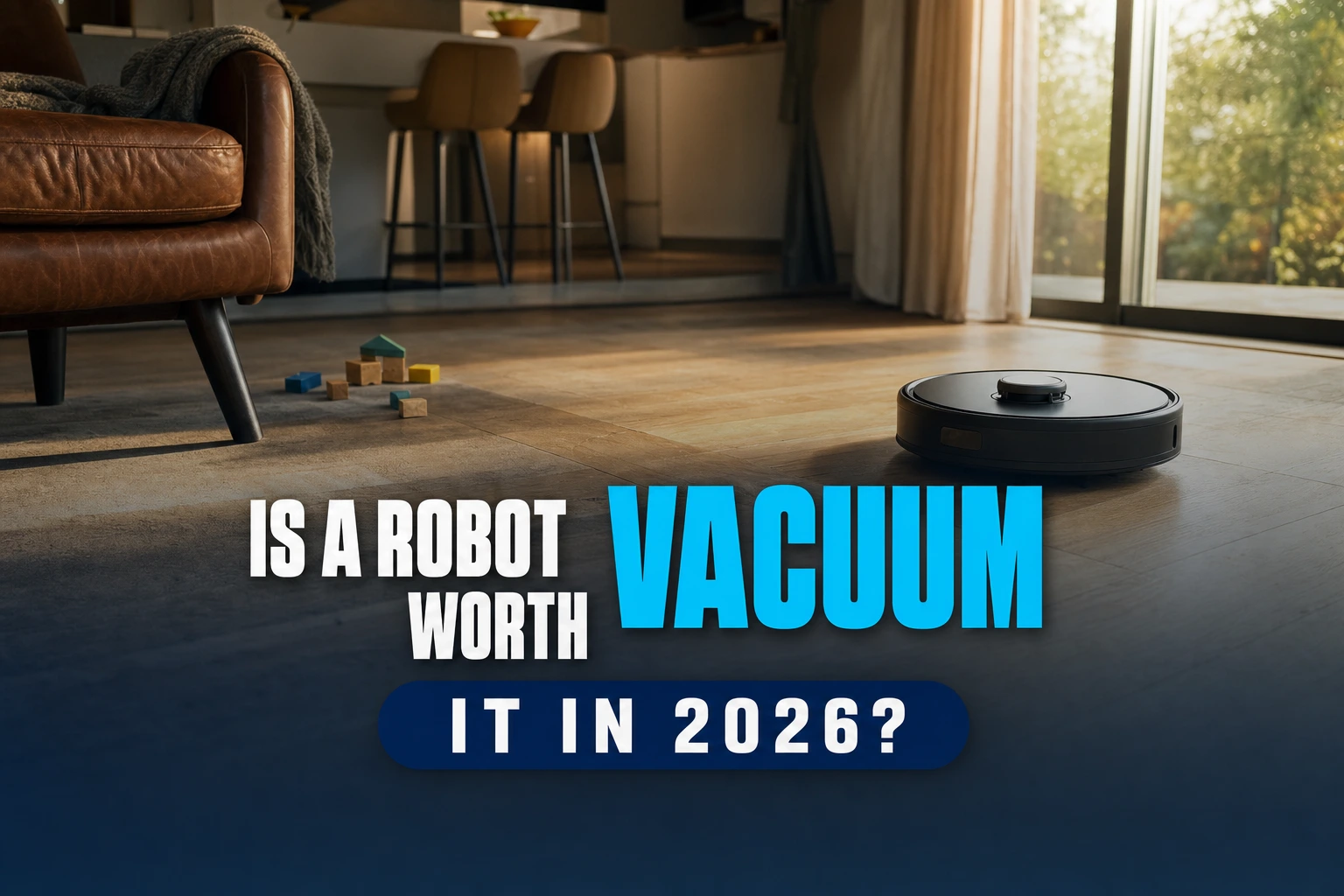
Robot vacuums are worth buying in 2026 for routine floor maintenance, provided your floors, layout and expectations suit automated cleaning.
This article is informational and does not place shopping buttons in the story. Related buying guides may include affiliate links.
As an Amazon Associate I earn from qualifying purchases. This does not affect the price you pay. Affiliate disclosure
On this page10 sections
- 1The short answer
- 2Are Robot Vacuums Worth Buying in 2026?
- 3How Modern Navigation Changes the Value Equation
- 4The Reality of Maintenance and Hands-Off Docks
- 5Flooring Types and Carpet Performance
- 6Five Steps to Evaluate Your Home Before Buying
- 7Comparing Mid-Range and Premium Features
- 8Who Should Buy a Robot Vacuum—and Who Should Not?
- 9Frequently asked
- 10Sources
The short answer
- Modern robot vacuums excel at daily maintenance sweepings but cannot fully replace occasional deep manual vacuuming.
- Advanced obstacle avoidance and self-emptying docks have drastically reduced the amount of human intervention required.
- Home layout, floor types, and clutter levels remain the deciding factors for overall satisfaction.
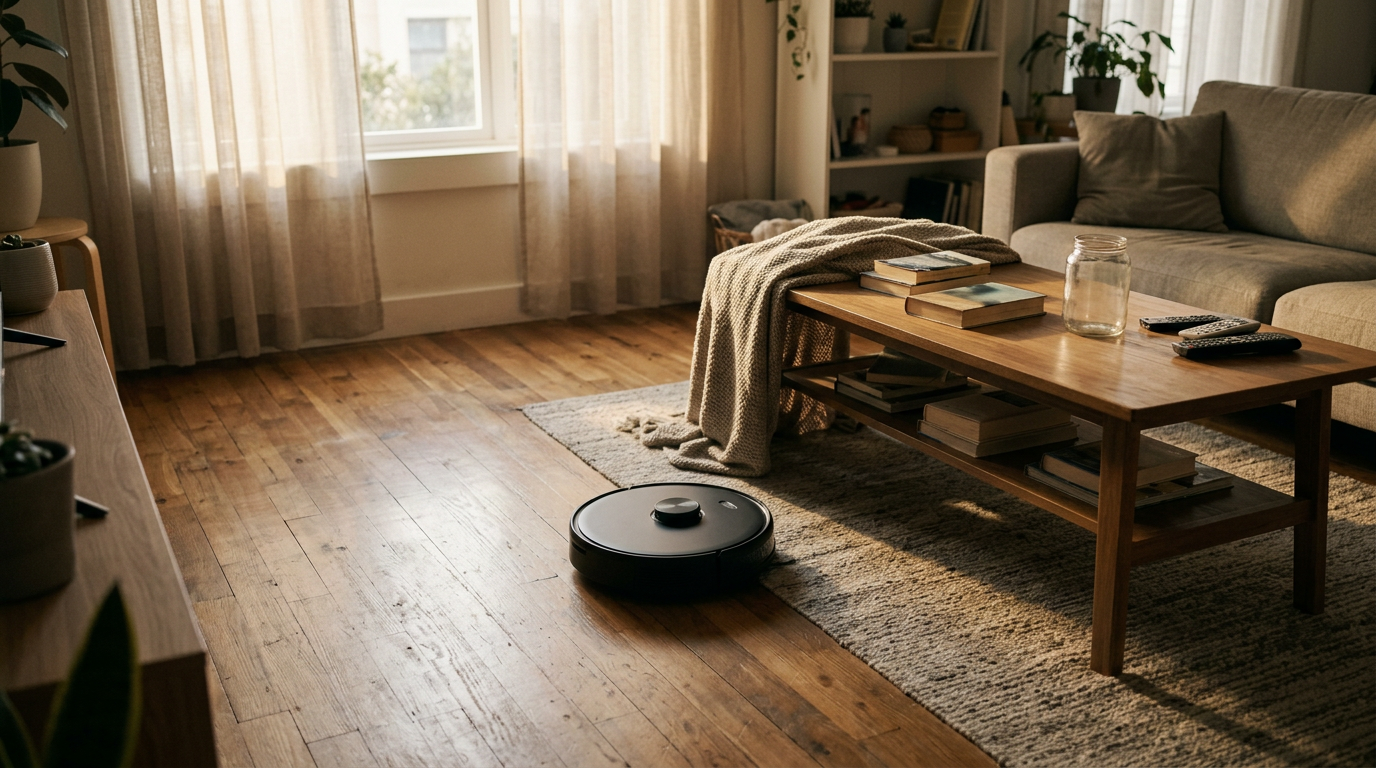
Yes, robot vacuums are worth buying in 2026 for many homes, especially if you want help controlling everyday dust, crumbs and pet hair. They are most useful on hard floors and low-pile carpet, but they still need maintenance and cannot replace manual cleaning of stairs, upholstery, tight corners or deeply embedded carpet dirt.
Over the last few years, autonomous cleaning technology has shifted from a novel luxury to a practical household tool. Current buying guides from Wirecutter, CNET, RTINGS, Vacuum Wars and The Hook Up assess features such as mapping, obstacle avoidance, carpet cleaning and automated docks, reflecting how broad the category has become.
However, these devices are not a complete replacement for a traditional deep clean. Understanding your home's layout, flooring types, tolerance for maintenance and expectations will determine whether a robot vacuum is a smart investment or an expensive headache.
The quick version
- Measure door thresholds
- Check under furniture
- Identify loose cords
- Examine rugs and tassels
- Choose a dock location
Are Robot Vacuums Worth Buying in 2026?
A robot vacuum is worth buying if frequent automated cleaning would save you more effort than the machine adds in setup and maintenance. The strongest use case is a mostly open, single-level home with hard floors or low-pile rugs. Busy households and pet owners may also benefit because scheduled runs can collect loose hair, crumbs and surface dust before debris accumulates.
The value is weaker in homes with high thresholds, cluttered floors, many stairs, thick rugs or loose tassels. You may spend more time rescuing the robot, moving obstacles and cleaning its brushes. It is also a poor fit if you expect one appliance to clean stairs, upholstery, narrow gaps and deeply embedded carpet dirt.
Think of it as a maintenance appliance rather than a replacement for every vacuuming task. If that division of labour suits your routine, compare the capabilities explained in our robot vacuum models reviewed for 2026.
How Modern Navigation Changes the Value Equation
Early robotic cleaners often relied on relatively simple movement patterns. Many newer machines use LIDAR (Light Detection and Ranging), cameras or other sensors to construct digital maps of a living space. This allows compatible models to follow structured cleaning routes rather than depending primarily on repeated direction changes.
Mapping can improve coverage and make targeted cleaning more practical. Depending on the model and app, homeowners may be able to create room labels, draw virtual barriers, designate no-go zones or send the robot to a high-traffic area. Some machines can also return to their dock to recharge and then resume an unfinished cleaning run.
Obstacle avoidance is a separate capability and varies considerably between models. Compatible systems may identify or avoid objects such as shoes, toys and cables, but no system should be assumed to recognize every hazard. Clearing cords, small objects and pet accidents before an unattended run remains the safer approach. Navigation and avoidance performance are recurring evaluation criteria in the cited 2026 guides from RTINGS, Vacuum Wars and The Hook Up.
 See the picks in our buying guide
The Reality of Maintenance and Hands-Off Docks
The introduction of self-emptying base stations has changed the ownership experience. Instead of manually emptying a small onboard dustbin after each cleaning cycle, a compatible vacuum can dock and transfer debris into a larger container or bag. How often that container needs attention depends on the dock, floor area and amount of debris collected.
For homes with hard floors, some robot vacuum-and-mop models use docks that can wash mop pads, refill an onboard water tank or dry the pads. The exact functions vary, so check whether a dock merely charges and empties the robot or also manages mop care.
Despite these automation advances, human maintenance is still required to keep the system working properly. Pet hair can wrap around the main roller, side brushes and wheel axles. Sensors and charging contacts also collect dust and need occasional wiping. Dust bags, filters, brushes and mop pads are consumable parts that require replacement according to the manufacturer's guidance. A more automated dock reduces daily contact with debris, but it also occupies more space and introduces additional components to clean.
Flooring Types and Carpet Performance
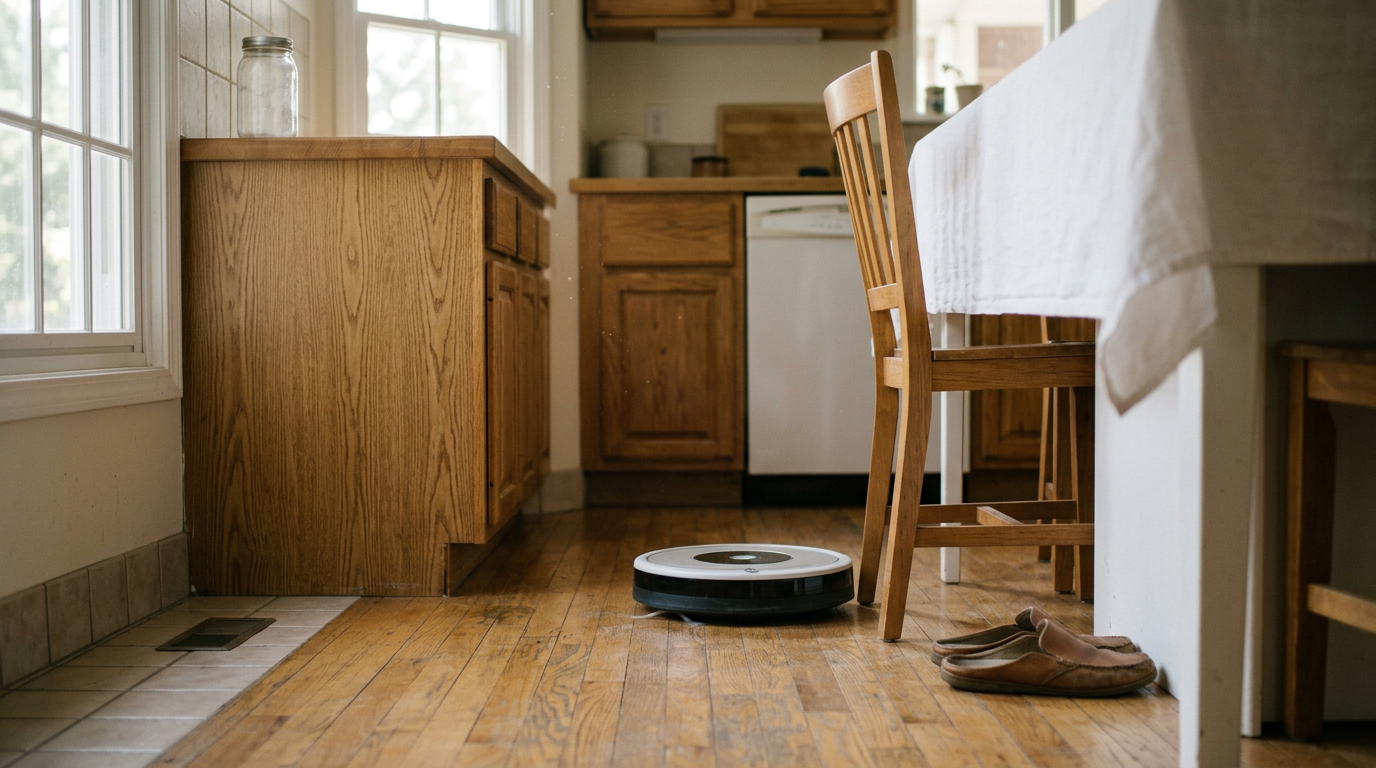
A vacuum's effectiveness depends heavily on the flooring materials in your home. Hard surfaces such as hardwood, tile and laminate are generally straightforward because loose dust, crumbs and pet hair remain near the surface. Low-pile carpet is also a practical target for routine cleaning, although results vary with brush design, airflow and navigation.
Medium- and high-pile carpets present a greater challenge because fine debris can settle below the surface. A robot may keep visible debris under control without replacing periodic cleaning by a suitable upright or canister vacuum. For model-by-model differences across floor types, see our guide to the best robot vacuums.
Combination machines add mop lifting or carpet-avoidance features so a wet pad does not travel across a rug. Confirm the supported lift height and settings in the manufacturer's documentation because rug thickness varies. Delicate area rugs with long, loose tassels can also cause jamming. Folding fringe under, securing it or marking the rug as a no-go zone may produce more reliable runs. Flooring performance is a central part of the testing and comparisons published by Wirecutter, CNET and RTINGS.
Five Steps to Evaluate Your Home Before Buying
To determine whether a robot vacuum will suit your living space, perform a quick home assessment. A capable machine can still struggle if the floor plan contains obstacles it cannot cross or areas it cannot reach.
- Measure door thresholds. Compare every raised transition with the manufacturer's stated climbing clearance rather than assuming the robot can cross it.
- Check under furniture. Measure the lowest clearance beneath beds, sofas and cabinets, then compare it with the robot's full height, including any raised sensor housing.
- Identify loose cords. Lift charging cables, power strips and dangling blind cords away from the brushes and wheels.
- Examine rugs and tassels. Note thick rugs, dark borders and fringed edges that may need app-based boundaries or physical adjustment.
- Choose a dock location. Follow the manufacturer's spacing instructions and place the dock near a suitable outlet on a stable surface.
If your home has multiple stories, remember that robot vacuums cannot climb stairs. Some models can store multiple maps, but you still have to carry the robot between levels unless you use a separate unit on each floor. Review these practical requirements before choosing among the top robot vacuum models reviewed.
Who Should Buy a Robot Vacuum—and Who Should Not?
A robot vacuum is a sensible purchase for someone who wants floors maintained on a schedule and is willing to prepare the home for reliable runs. It is particularly useful where loose pet hair or crumbs return quickly, because frequent cleaning can prevent visible debris from building up between manual sessions.
It may not be worthwhile if most cleaning is on stairs, plush carpet, upholstery or tightly packed rooms. The same applies if floors are usually covered with cords, clothing or small toys and you do not want to clear them. People who dislike app setup, brush cleaning or buying replacement consumables may prefer a conventional vacuum with fewer connected features.
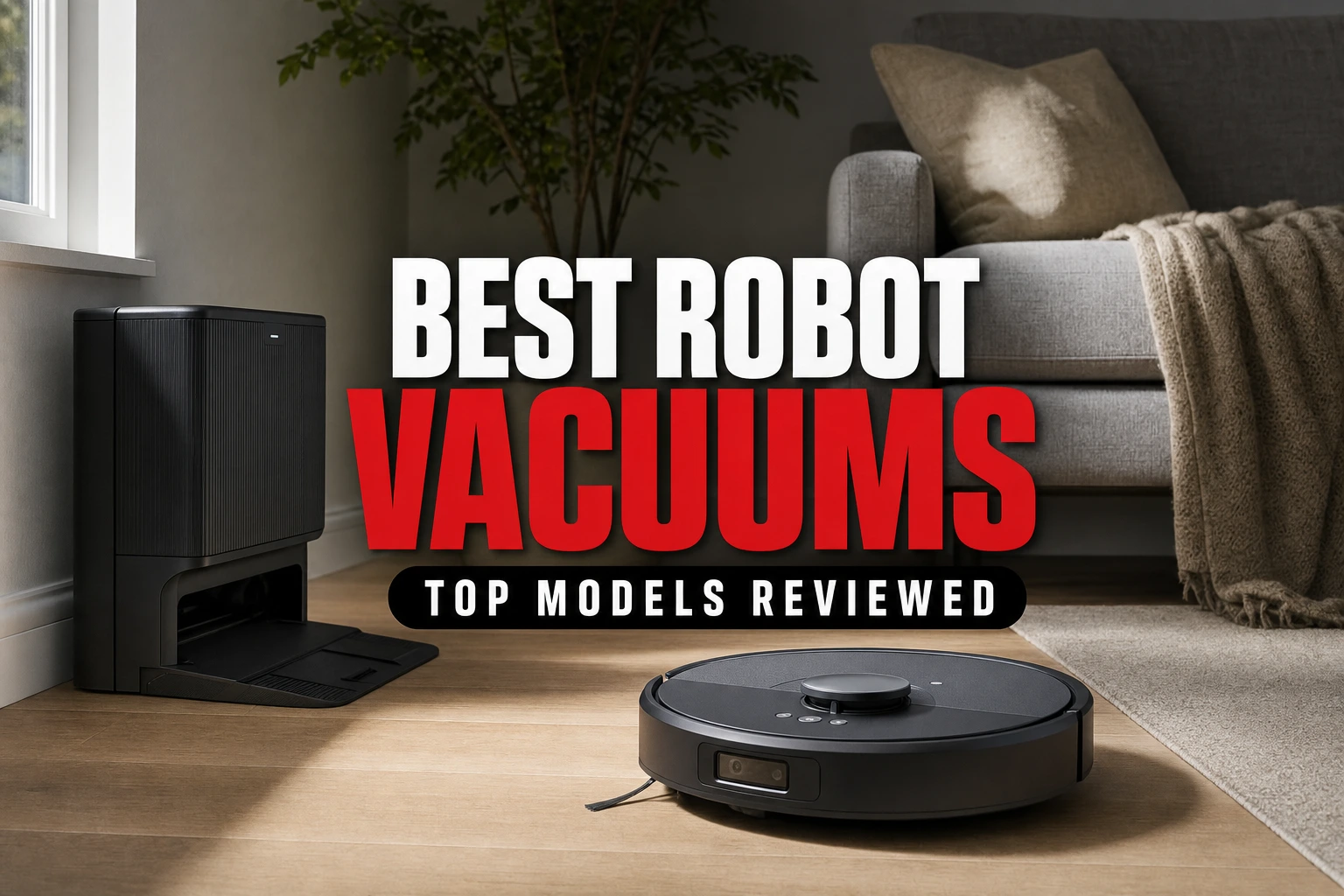
For a mostly hard-floor home with manageable clutter, a capable model with reliable mapping may be enough. For mixed flooring or frequent mopping, examine carpet detection, mop lifting and dock functions carefully. Our Best Robot Vacuums: Top Models Reviewed guide can help narrow the options by capability.
Set realistic expectations: a robot can maintain accessible floor space, but a traditional vacuum or other cleaning tool is still needed for stairs, upholstery, narrow corners and periodic deeper cleaning.
Frequently asked
Sources
As an Amazon Associate I earn from qualifying purchases. This does not affect the price you pay. Affiliate disclosure