What Size Backpack Boys and Girls Need for Daily Carry
Find the perfect daily backpack size for boys and girls based on height, age, and torso measurements to ensure comfort and support.
This article is informational and does not place shopping buttons in the story. Related buying guides may include affiliate links.
As an Amazon Associate I earn from qualifying purchases. This does not affect the price you pay. Affiliate disclosure
On this page9 sections
The short answer
- Measure from the shoulders to the waist to find the correct backpack height.
- Keep the total loaded weight below fifteen percent of your child's body weight.
- Select volume based on actual daily gear, ranging from ten to thirty liters.
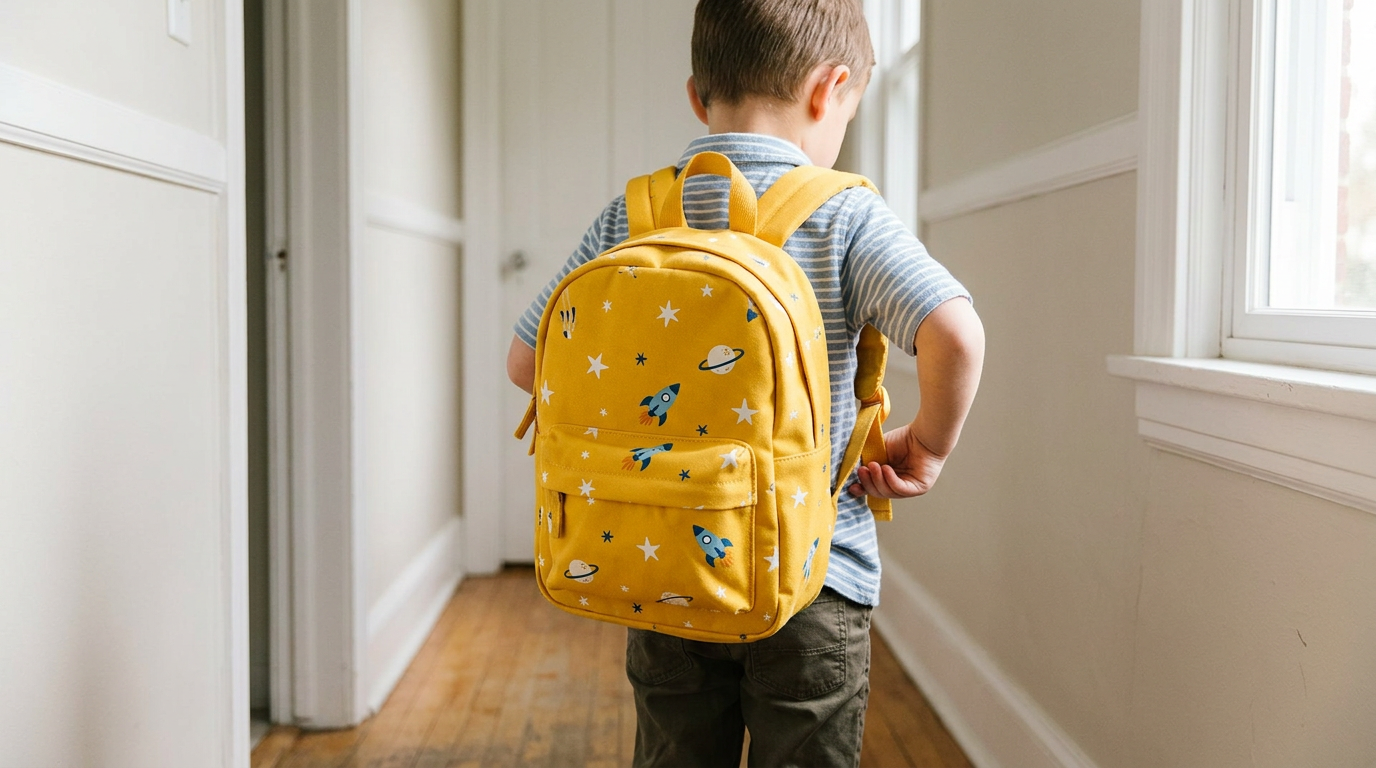
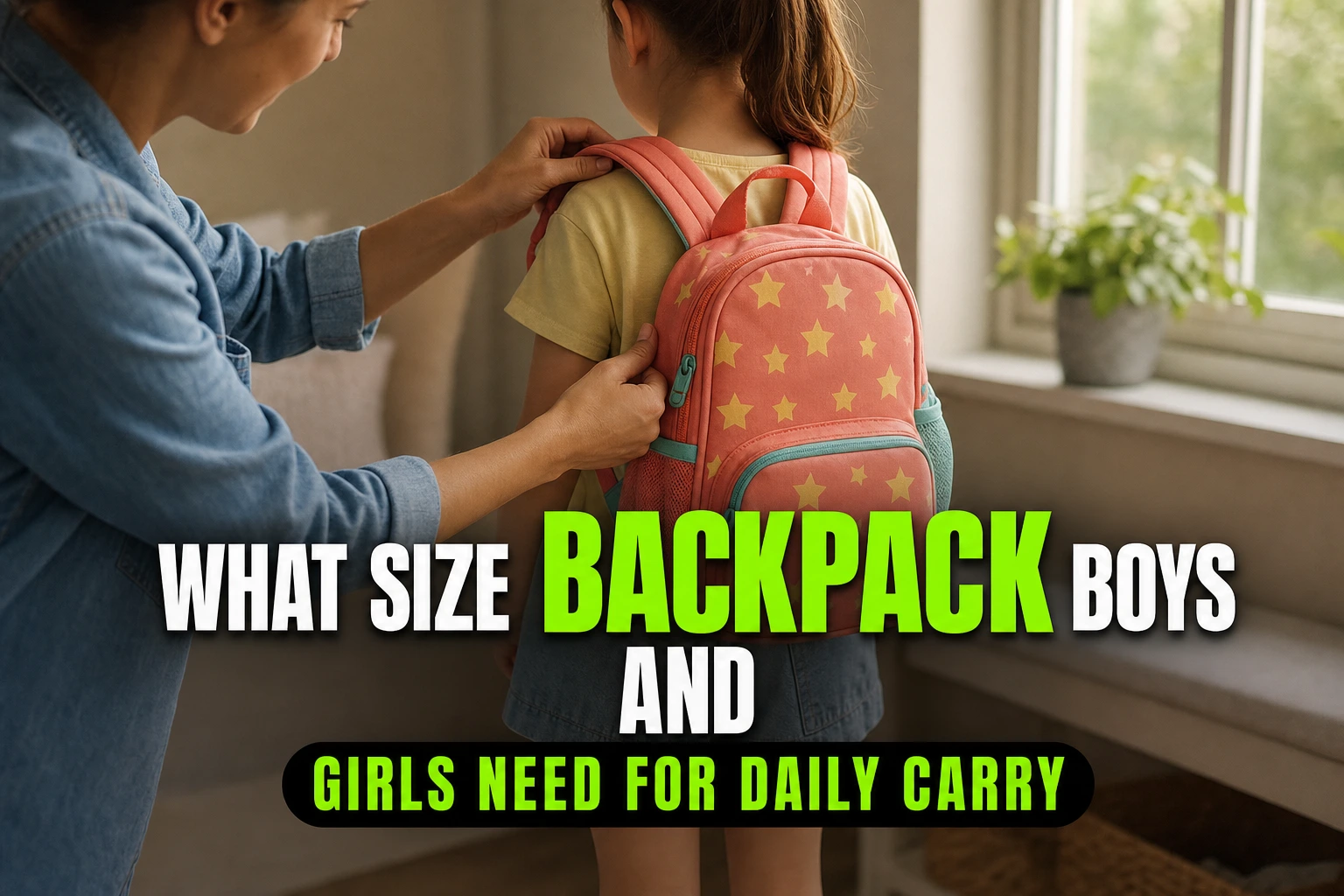
For daily carry, boys and girls need a backpack that matches their torso length rather than just their school grade. The correct backpack size should rest between the shoulders and two inches above the waist. This simple rule ensures a comfortable fit and prevents posture strain during daily school walks.
Choosing the wrong size can cause discomfort, muscle fatigue, and poor spinal alignment. Many families select an oversized bag hoping it will last for several school years, but large packs drag down on a child's frame and encourage overpacking. Selecting a pack that actually fits their current physical size is essential for daily comfort.
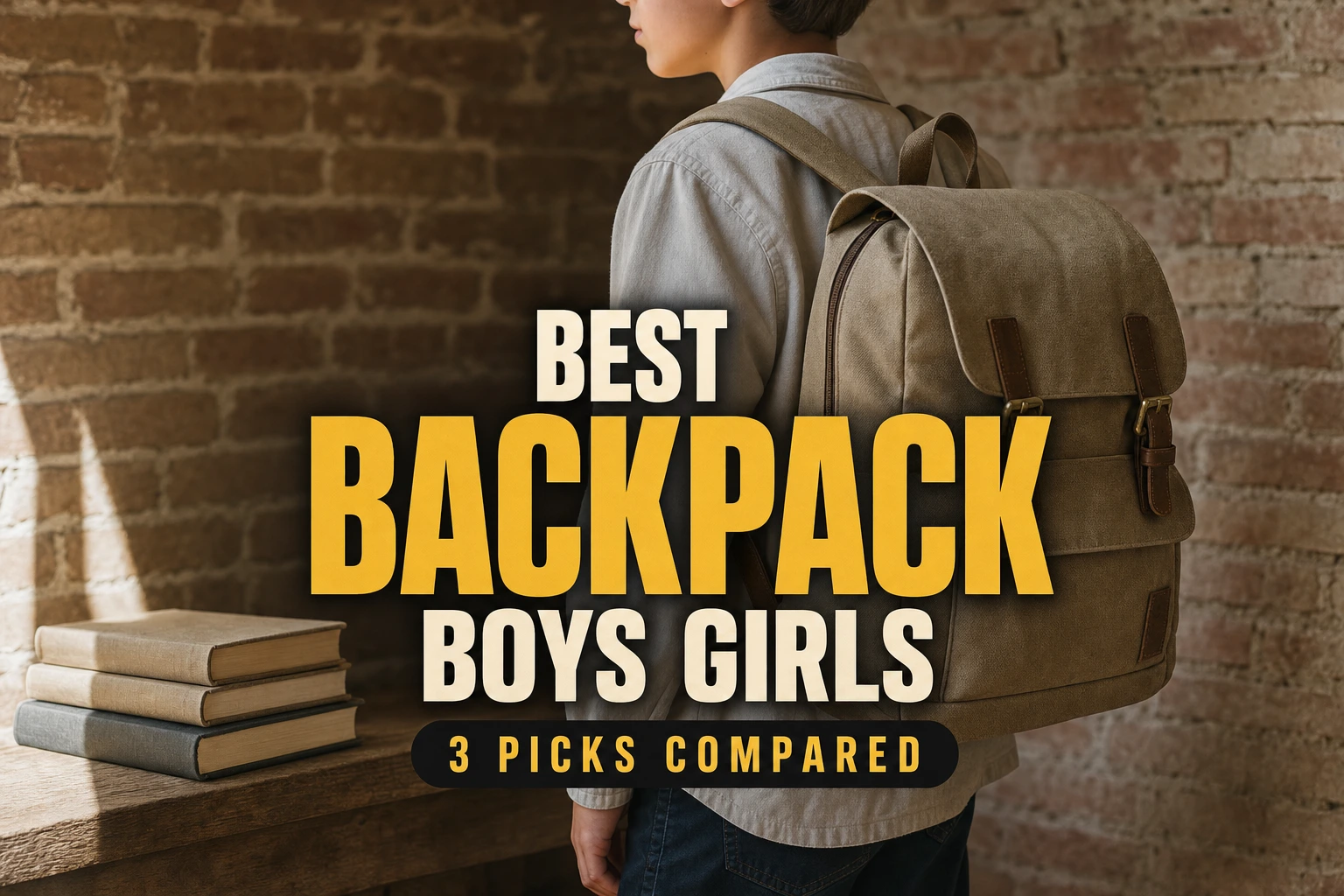
To help you make the right choice, we will break down backpack sizing by height, volume, and daily school essentials. If you want to compare specific models that fit these criteria, you can also browse our top recommended picks in our Best Backpack Boys Girls: 3 Picks Compared guide.
The quick version
- Adjust the shoulder straps evenly
- Check the upper boundary
- Inspect the lower boundary
- Assess the overall width
- Test the loaded posture
Why Torso Length Matters More Than Age
Age charts are general starting points, but physical growth varies wildly from child to child. A tall seven-year-old might easily carry a larger bag, while a petite ten-year-old might struggle with a standard middle school pack. Focusing on the child's actual physical frame ensures the weight is distributed evenly across the back.
To get an accurate measurement, you should measure from the base of the neck down to the top of the hip bones to determine your child's physical size. This is the child's torso length, which serves as your ultimate guide when checking backpack product specifications. Manufacturers usually list the exterior height of the bag, which should closely align with this torso measurement.
When a bag is too long, it sags below the lower back and pulls the shoulders backward. This forces the child to lean forward to balance themselves, causing neck and spine fatigue over time. Keeping the bag snug against the upper back helps avoid this awkward posture and keeps the spine in a natural position.
Choosing Backpack Volume by Grade Level
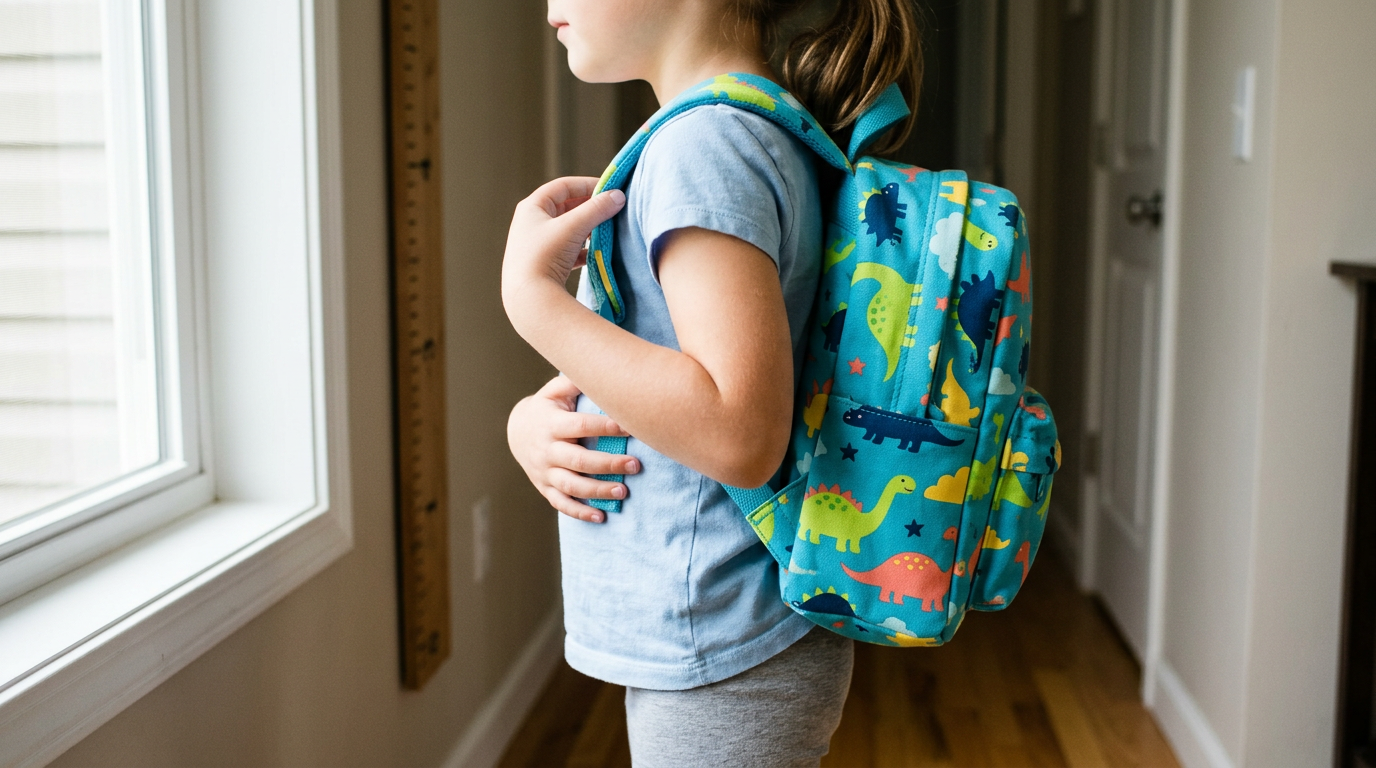
Backpack volume is measured in liters, which indicates how much space is available inside. Younger children in preschool or kindergarten only need to carry a lunchbox, a water bottle, and a spare change of clothes. For these early years, a small liter capacity of ten to fifteen liters is usually more than enough.
As students progress into elementary school, they begin carrying folders, library books, and art supplies. At this stage, a capacity of fifteen to twenty liters is ideal. It provides enough room for standard folders without adding unnecessary bulk to their daily walk or overwhelming their shoulders.
Middle school and high school students face much larger loads, including heavy textbooks, binders, and laptops. For these older children, a capacity of twenty-five to thirty liters is standard. This larger size accommodates multiple subjects while featuring extra compartments for organization.
 See the picks in our buying guide
How to Measure and Fit a Kids Backpack
Finding the right fit requires checking a few critical zones on your child's body once they try the pack on. Use these simple steps to ensure the backpack sits correctly and supports their daily carry comfortably.
- Adjust the shoulder straps evenly. Make sure both straps are tightened so the pack sits high on the upper back.
- Check the upper boundary. The top of the backpack should sit slightly below the shoulders rather than touching the neck.
- Inspect the lower boundary. Ensure the bottom of the bag rests about two inches above the child's waistline.
- Assess the overall width. The backpack should not extend wider than the child's chest or torso.
- Test the loaded posture. Fill the bag with a few books and observe if your child leans forward while walking.
If the bag sags toward the buttocks or sways side to side as they walk, the fit is incorrect. Properly adjusted straps will keep the bag close to the center of gravity, which minimizes muscle fatigue during long walks to school.
Taking the time to adjust the harness prevents long-term posture alignment issues. A well-adjusted pack makes a heavy load feel much lighter and keeps your child energized throughout the day.
The Core Weight Rule for Growing Bodies
Carrying a heavy bag is not just uncomfortable; it can lead to chronic shoulder and back strain over time. Pediatric health experts suggest that a loaded backpack should never exceed ten to fifteen percent of a child's total body weight. If your child weighs eighty pounds, their loaded bag should weigh no more than eight to twelve pounds.
To keep the weight manageable, you must choose lightweight materials. Heavy leather or canvas bags add unnecessary ounces before you even put a single book inside. Look for durable but lightweight polyester or nylon fabrics that offer strength without the extra bulk.
You can also manage the load by choosing bags with a built-in chest strap or hip belt. These features help transfer some of the weight from the delicate shoulders down to the stronger hips and core. This distribution keeps the pack secure and stable during physical movement.
Essential Features Beyond Simple Sizing
While the outer dimensions are vital, the interior layout of the pack changes how the weight feels on your child's back. A single large pocket allows heavy books to slide around and pull the bag backward. Having multiple compartments keep items secure and close to the spine where they are easiest to carry.
Water bottle pockets are another crucial feature for daily carry. External mesh pockets keep liquids away from expensive school books and tablet screens. They also encourage kids to stay hydrated throughout the day by keeping their water easily accessible.
Finally, look for padded back panels and wide, contoured shoulder straps. A well-padded harness helps cushion against sharp corners of books from poking into your child's shoulder blades. For a detailed breakdown of highly rated models that feature these designs, check out our Best Backpack Boys Girls: 3 Picks Compared guide.
Which One Should You Pick for Daily Use?
Choosing the ultimate backpack depends heavily on your child's current height and daily academic requirements. If your child is in preschool or kindergarten, select a compact twelve-inch to fourteen-inch bag with a simple ten-liter capacity that they can easily carry themselves.
For elementary school kids who need to transport standard folders and lunchboxes, a fifteen-inch to seventeen-inch backpack with a fifteen-to-twenty-liter capacity is the sweet spot. It provides enough structural support without overwhelming their smaller frames.
Older middle and high school students who carry laptops, binders, and activewear need a larger seventeen-inch to nineteen-inch pack. A twenty-five to thirty-liter bag with multiple organizer slots is perfect for keeping their daily gear organized and safe. You can read more about options for different ages in our Best Backpack Boys Girls: 3 Picks Compared comparison.
Frequently asked
Sources
As an Amazon Associate I earn from qualifying purchases. This does not affect the price you pay. Affiliate disclosure