
Are Portable Power Stations Worth Buying in 2026?
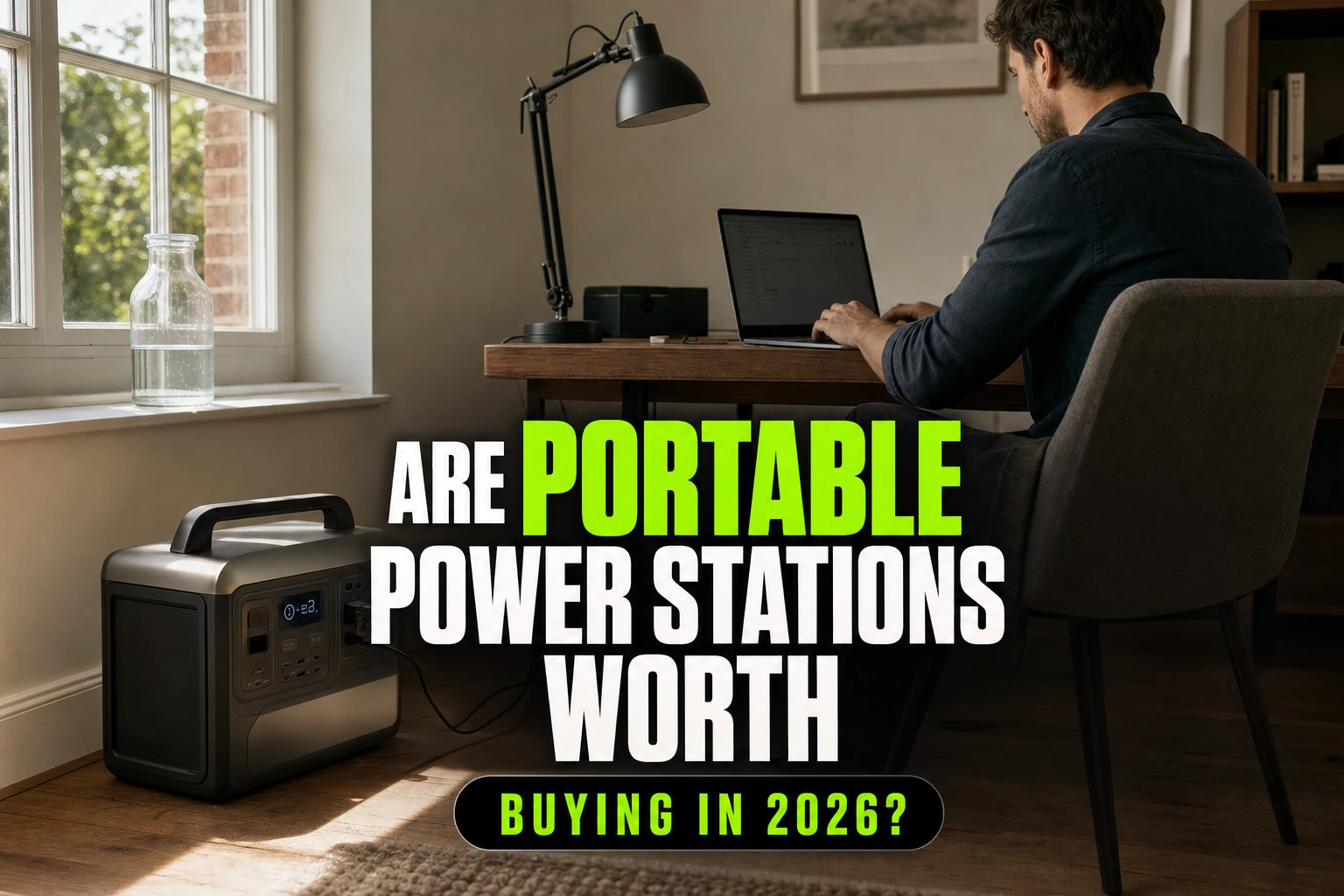
Portable power stations are highly worth buying if you need reliable backup energy for emergencies, outdoor recreation, or off-grid remote work.
This article is informational and does not place shopping buttons in the story. Related buying guides may include affiliate links.
As an Amazon Associate I earn from qualifying purchases. This does not affect the price you pay. Affiliate disclosure
On this page8 sections
- 1The short answer
- 2The Core Technology: Decoding Battery Chemistry
- 3How Portable Power Stations Compare to Gas Generators
- 4Calculating Your Power Needs Before Buying
- 5How to Charge and Maintain Your Power Station
- 6Solar Panels and Achieving True Energy Independence
- 7Deciding on the Perfect Power Station for You
- 8Frequently asked
The short answer
- Modern lithium batteries make these devices lighter, safer, and longer-lasting than older lead-acid alternatives.
- They provide silent, emission-free indoor backup power, unlike traditional gas-guzzling combustion generators.
- Matching the unit capacity to your specific appliances ensures you do not overpay for unused energy.
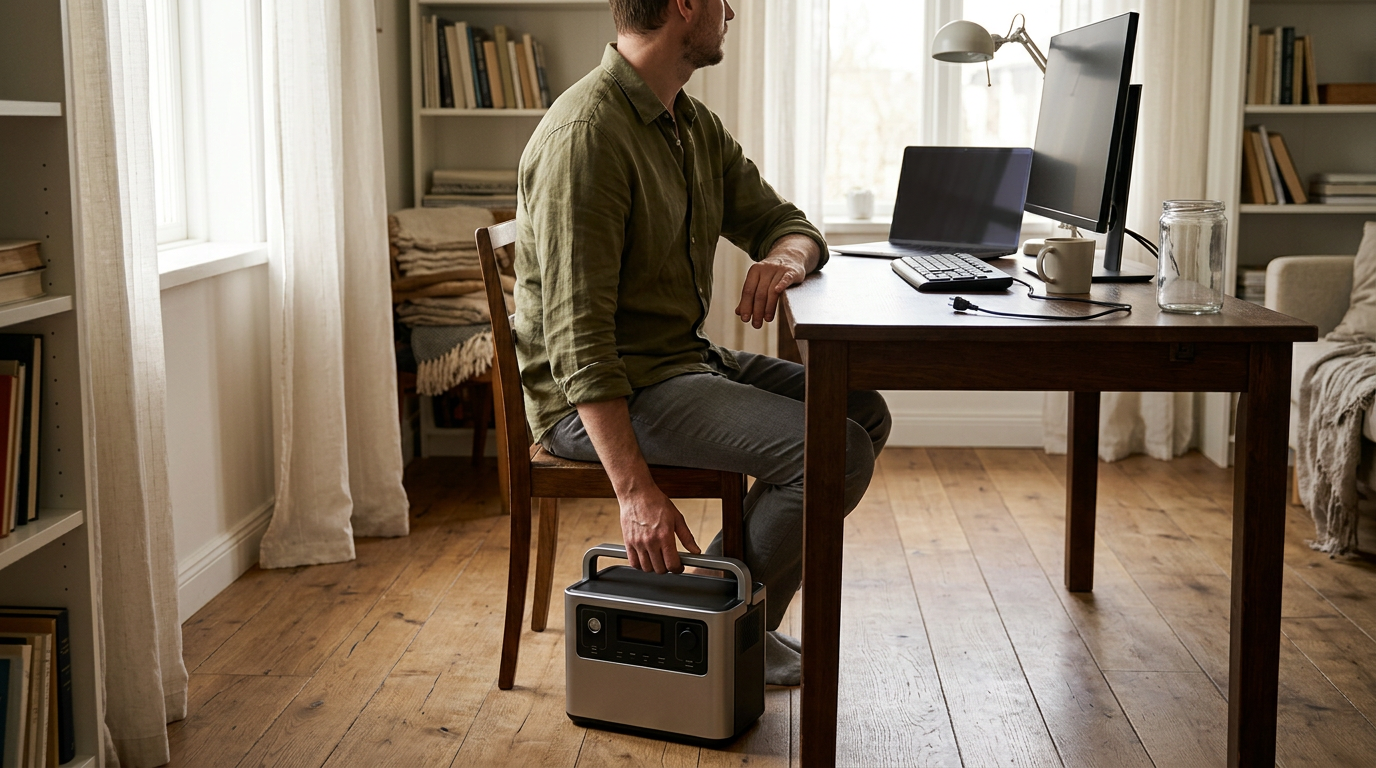
Yes, portable power stations are worth buying in 2026 if you require clean, silent backup electricity. They offer a reliable alternative to traditional combustion generators for camping, emergency power outages, and remote work setups.
Modern battery technology has evolved rapidly over recent years, driven by advancements in electric vehicles and grid storage. Older models relied on heavy, inefficient lead-acid configurations, but contemporary systems utilize highly advanced lithium chemistries. These engineering improvements mean today's units pack significantly more energy into smaller, lighter, and more durable frames that are easy to transport.
If you are trying to decide whether to invest in one, it helps to understand how these devices fit into your daily lifestyle or emergency preparedness plans. For some families, they serve as an essential safety net during seasonal storms, while for others, they might be an unnecessary luxury. Let us break down what makes them worth the investment and how to choose the right one.
The quick version
- Charge the unit to eighty percent
- Keep the station in a cool,
- Discharge and recharge the battery every
- Use high-quality charging cables and official
- Avoid running the battery completely down
The Core Technology: Decoding Battery Chemistry
To understand if these modern devices are worth your hard-earned money, you must understand what is inside them. Most contemporary units utilize either standard lithium-ion or lithium iron phosphate, which is often abbreviated as LiFePO4. This technical distinction is the single most important factor determining how long your investment will actually last.
Standard lithium-ion batteries are lightweight and highly energy-dense, making them incredibly easy to carry on long hikes or camping trips. However, LiFePO4 batteries offer a massive advantage in overall lifespan, longevity, often surviving thousands of charge cycles before experiencing any noticeable loss in capacity. If you plan to use your device frequently for outdoor adventures or off-grid living, paying attention to this chemistry changes everything.
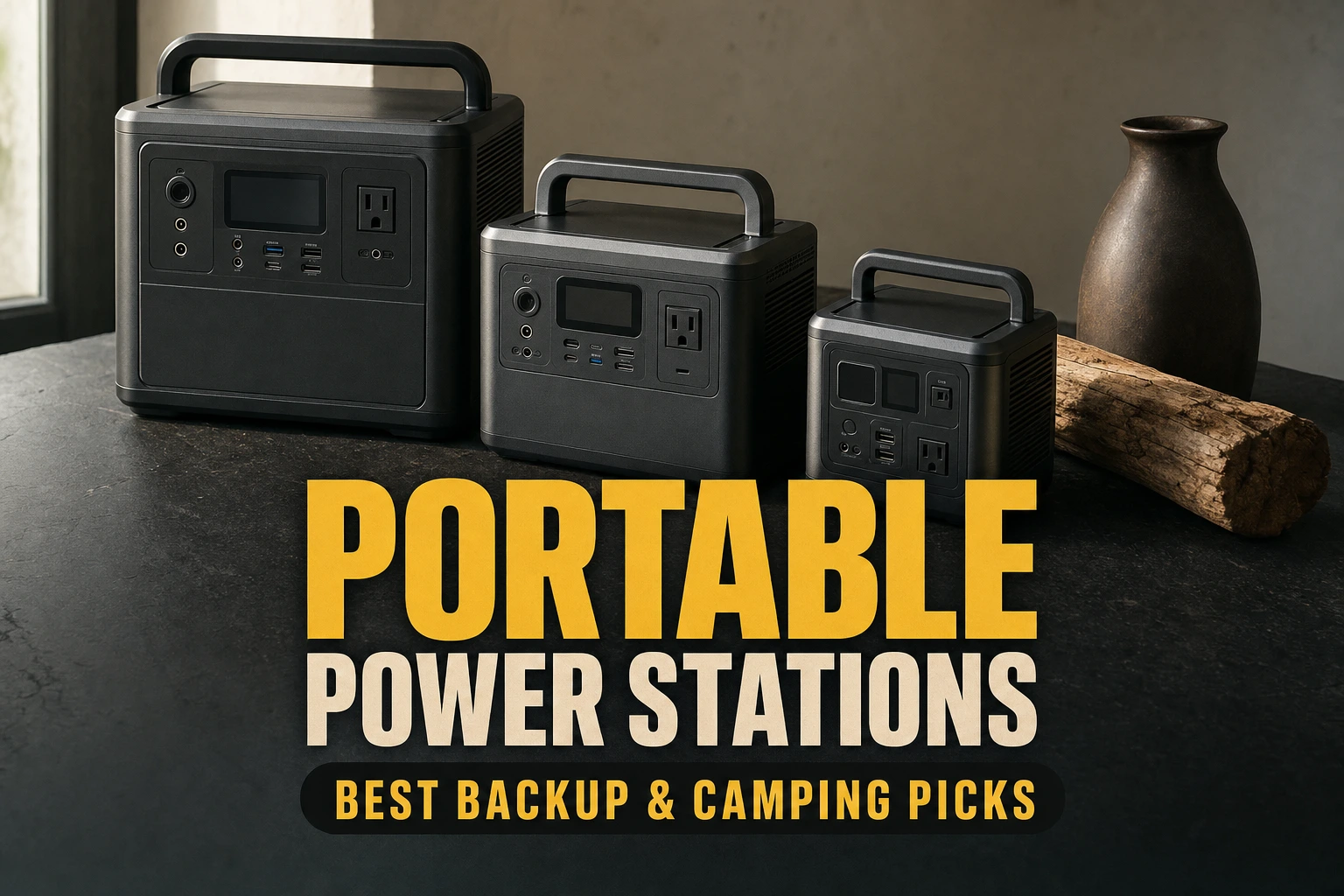
When comparing different models on the market, you will also notice battery capacity measured in watt-hours. This metric tells you exactly how much energy the battery can store and supply to your appliances over time. For a deep dive into top-performing options across different capacities and chemistries, consult our comprehensive guide on Portable Power Stations: Best Backup & Camping Picks.
How Portable Power Stations Compare to Gas Generators
Many homeowners struggle to choose between buying a battery-powered station and a conventional gas-powered generator during storm season. The functional differences between these two distinct power sources are stark, and understanding how they operate will immediately dictate which choice fits your living situation best.
Gas generators produce heavy exhaust and loud mechanical noise, meaning you can never safely run them inside your living space. Portable power stations run completely silent and emit no fumes, which allows you to keep them directly next to your bed, workspace, or living room during an unexpected blackout.
Let us look at how these two power sources compare across key functional categories: - Power Source: Gas generators rely on liquid fuel, whereas power stations use stored electricity from wall outlets or solar panels. - Maintenance: Gas generators require oil changes and fuel stabilization, whereas power stations are virtually maintenance-free. - Indoor Use: Gas generators must stay outdoors due to toxic fumes, whereas power stations do not emit carbon monoxide and are suitable for indoors. - Continuous Output: Gas generators run as long as you have fuel, whereas power stations are limited by their battery capacity.
 See the picks in our buying guide
Calculating Your Power Needs Before Buying
Buying the wrong size station is the easiest way to waste money on features you do not need. To make a smart purchase, you must calculate the total wattage of the appliances you plan to run simultaneously. If you try to power a high-draw kitchen appliance with a small, lightweight station, the system will instantly shut down to protect itself.
Look at the manufacturer labels on your household appliances to find their specific running watts and starting watts. Large appliances like refrigerators and air conditioners require a brief surge of extra power just to turn their motors on, which can easily overwhelm basic battery systems. Ensure your chosen station has a surge rating high enough to handle these brief, demanding peaks.
For light electronics like laptops, tablets, and smartphones, a compact unit is more than sufficient for multiple charges. However, if you want to keep medical equipment running or preserve frozen food in a full-sized freezer, you will need to look at heavy-duty backup models. For specific recommendations on heavy-duty units, check out Portable Power Stations: Best Backup & Camping Picks.
How to Charge and Maintain Your Power Station
Proper care and storage determine whether your power station lasts for several years or degrades prematurely. Storing a lithium battery completely empty for months, or keeping it plugged in constantly in hot environments, can permanently reduce its overall capacity and capacity retention.
By following a simple routine and performing basic maintenance, you can maximize the health of the internal battery cells. This simple preventative care ensures that when an unexpected emergency strikes your area, your backup power source is ready to perform at its peak efficiency.
- Charge the unit to eighty percent before storing it. Keeping the battery at a moderate charge level reduces stress on the internal chemistry during long periods of inactivity.
- Keep the station in a cool, dry place. Extreme temperatures below freezing or above ninety-five degrees Fahrenheit [35°C] can degrade the battery cells rapidly.
- Discharge and recharge the battery every three months. To discharge and recharge the battery every three months keeps the internal management system calibrated and ensures the cells stay active.
- Use high-quality charging cables and official accessories. Third-party cables can cause unstable current flow, potentially damaging the sensitive internal inverter components.
- Avoid running the battery completely down to zero percent. Shutting down the unit manually before it is fully depleted prevents deep-discharge damage to the cells.
Solar Panels and Achieving True Energy Independence
Many people choose to pair their battery stations with portable solar panels to create a completely self-sustaining solar generator setup. This setup is highly attractive for van-lifers, wilderness campers, and off-grid enthusiasts who want to stay away from traditional utility grids and enjoy the outdoors indefinitely.
However, solar charging is highly dependent on weather conditions, seasonal sunlight, geographic location, and panel placement. A simple cloud passing overhead or a slight shadow from a nearby tree can drop your charging speed significantly, meaning you must manage your daily power usage carefully during overcast winter days.
For those who prioritize self-sufficiency, investing in high-quality compatible solar panels turns a simple battery into an ongoing, renewable power source. It is an excellent way to keep essentials running during prolonged multi-day blackouts when the local electrical grid is completely compromised due to severe winter storms or grid failure.
Deciding on the Perfect Power Station for You
Deciding whether to buy a portable power station ultimately comes down to your primary use cases and geographic location. If you only experience a brief power outage once every few years, a small, inexpensive battery pack for your mobile devices might be all you need to get by.
If you are an avid camper, travel in a recreational vehicle, or live in an area prone to severe weather, a mid-sized to large-capacity station provides peace of mind and keeps critical home appliances running without the noise, hassle, and fumes of gas. The ability to run medical equipment or keep your food cold during a multi-day storm is invaluable.
To find the exact model that fits your budget, weight limits, and power requirements, read our curated guide on Portable Power Stations: Best Backup & Camping Picks. Choosing the right balance of physical weight, electrical capacity, and battery chemistry will ensure you are never left unprepared when the lights go out.
Frequently asked
As an Amazon Associate I earn from qualifying purchases. This does not affect the price you pay. Affiliate disclosure