
Who Is This Is Me: A Reckoning Really For?
This Is Me: A Reckoning is aimed at readers who prefer candid personal storytelling and reflection to exercises, research-led analysis, or step-by-step advice.

This article is informational and does not place shopping buttons in the story. Related buying guides may include affiliate links.
As an Amazon Associate I earn from qualifying purchases. This does not affect the price you pay. Affiliate disclosure
On this page9 sections
- 1The short answer
- 2Who Is This Is Me: A Reckoning Really For?
- 3Understanding the Memoir and Self-Help Blend
- 4Readers Who May Connect With Its Main Themes
- 5Who Should Pass on This Book?
- 6Narrative Self-Help Versus Prescriptive Advice
- 7Themes That Shape the Reading Experience
- 8How to Decide Whether Its Style Fits Your Goals
- 9Frequently asked
The short answer
- Perfect for readers who prefer intimate, conversational memoirs over clinical self-help handbooks.
- Focuses heavily on overcoming perfectionism and embracing personal authenticity during difficult life transitions.
- Offers reflective inspiration rather than structured, step-by-step templates or scientific frameworks.

This Is Me: A Reckoning is really for readers seeking personal growth through candid self-reflection rather than rigid instructions. It is most likely to suit people navigating life changes, questioning an old identity, or dealing with perfectionism and pressure to please others. Readers who want worksheets, research-led analysis, or a practical improvement plan may prefer another book.
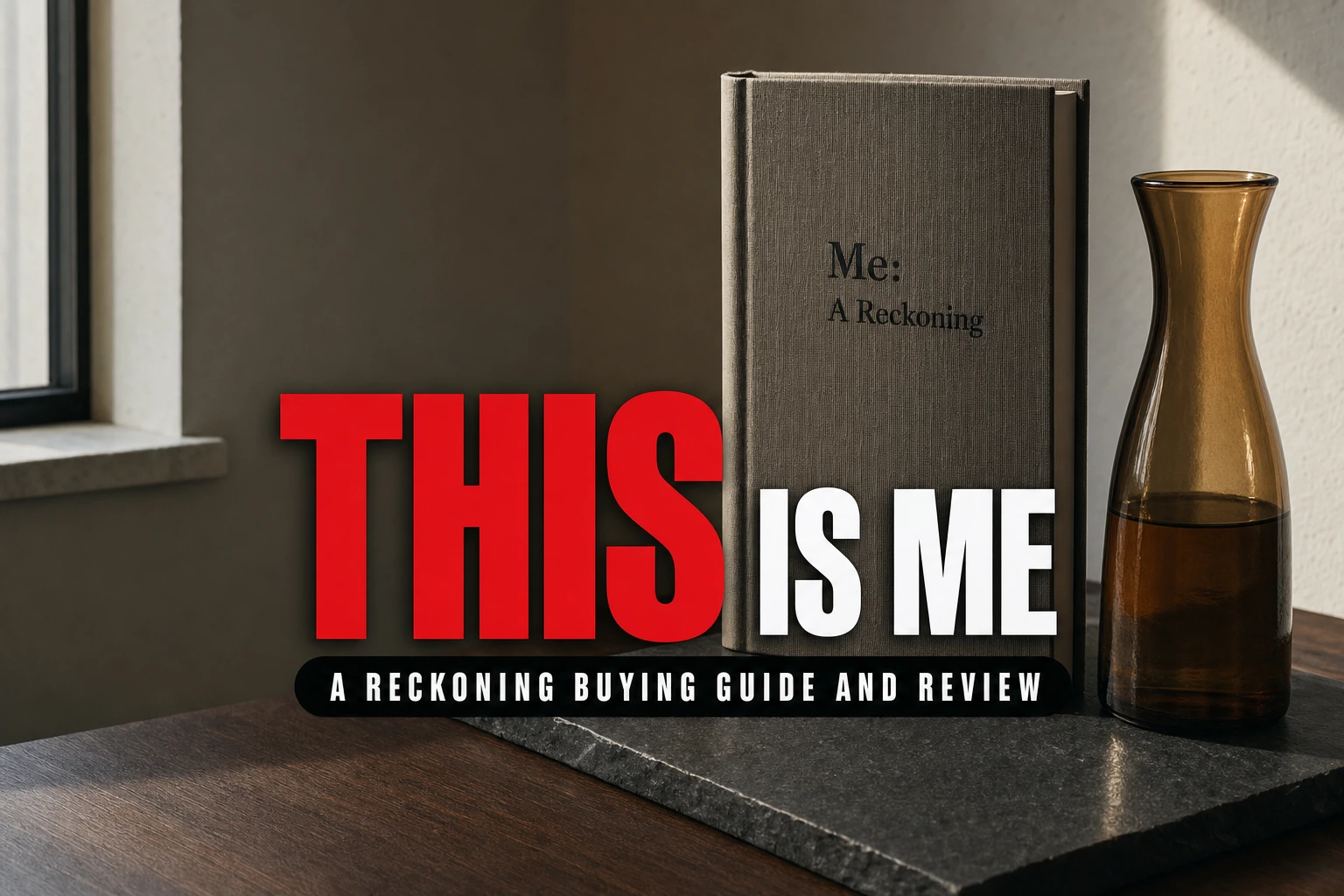
The book blends memoir-like personal anecdotes with motivational insights, creating an intimate reading experience rather than a clinical or instructional one. That distinction matters because its usefulness depends largely on whether you connect with the author’s voice and experiences. This guide explains who may relate to its approach, who may not, and what to expect before choosing it. For a broader assessment of its format and suitability, see our This Is Me: A Reckoning review and buying guide.
Who Is This Is Me: A Reckoning Really For?
The strongest fit is a reader who wants emotional reassurance, honest reflection, and permission to be imperfect. The book may appeal if you feel tired of presenting a polished version of yourself, are reassessing what success means, or want to move beyond an identity shaped by other people’s expectations. Its approach is especially relevant during periods of change, including a career shift, a creative block, or a change in a close relationship.
It is also suited to readers who learn through recognition: seeing another person describe a struggle and then considering how that experience relates to their own life. Rather than offering a fixed programme, the book leaves room for individual interpretation. The ideal reader wants a reflective companion, not an instructor. If that describes what you need from a non-fiction book, its conversational and personal style may feel supportive rather than vague.
Understanding the Memoir and Self-Help Blend
Many personal development books rely on structured exercises or direct instructions to guide the reader. This book instead uses narrative self-help, a style that blends personal storytelling with motivational takeaways. Rather than positioning the author as an infallible expert, it invites readers into a shared experience of vulnerability and growth. The stories function as prompts for reflection, even though they are not presented as formal exercises.
This format relies on resonance rather than instruction. You are not being told exactly how to live; instead, you are invited to witness someone else’s reckoning and consider how its themes apply to you. Readers who learn through empathy and storytelling are more likely to appreciate this approach. Those accustomed to clear frameworks may find it less direct. Understanding that difference is useful before committing your reading time, because the book’s value comes from personal connection rather than a repeatable method.
 See the picks in our buying guide
Readers Who May Connect With Its Main Themes
This book speaks most directly to people who feel exhausted by the pressure to maintain a curated, perfect identity. If you find yourself performing for others, hiding vulnerabilities, or measuring your worth through external approval, the core message of self-acceptance may resonate with your situation. The material can also appeal to creative professionals and entrepreneurs who are reconsidering the gap between their public identity and private experience.
People navigating transitions may find the themes particularly relevant because the book treats uncertainty as part of personal change rather than a problem that must be solved immediately. It encourages readers to question identities that no longer fit and to tolerate being an unfinished work in progress. This makes it a potentially suitable choice for someone seeking comfort and perspective during a period of self-doubt. Our full guide to This Is Me: A Reckoning provides further context on what to expect from the book.
Who Should Pass on This Book?
While the book may connect with reflective readers, it is not a universal fit. If you are looking for a highly structured guide with actionable checklists at the end of every chapter, you may find this material frustrating. It is not framed around worksheets, step-by-step habit trackers, or research-led behavioural strategies for improving daily efficiency. Readers seeking a defined plan with measurable tasks should consider a more prescriptive title.
The narrative also relies heavily on the author’s personal experiences. If you prefer a clear separation between memoir and advice, or if you do not connect with the author’s voice, the underlying lessons may have less impact. Those seeking rigorous psychological analysis or cognitive behavioural methods may likewise find the content too subjective. It functions as an emotional mirror rather than an empirical textbook, so its usefulness depends on your willingness to reflect on personal stories rather than follow a formal system.
Narrative Self-Help Versus Prescriptive Advice
Personal-development books often use different teaching styles, and identifying your preferred style can make the choice clearer. Prescriptive self-help usually gives readers a defined sequence of actions, such as exercises, routines, prompts, or frameworks. Its usefulness tends to rest on how practical and repeatable those instructions are. Narrative self-help instead uses personal experience to encourage recognition, reflection, and changes in perspective.
Traditional autobiography differs from both because its main purpose is generally to recount a life, rather than actively guide the reader’s development. This Is Me: A Reckoning sits between memoir and motivational non-fiction: personal stories carry the message, but readers are encouraged to connect those stories with their own experiences. Choose a narrative approach if you want to feel understood or prompted to reflect. Choose a prescriptive guide if you need immediate steps for a defined problem. Neither style suits every reader or every goal.
Themes That Shape the Reading Experience
A central idea is a personal reckoning: the point at which someone questions whether they are living according to their own values or other people’s approval. The writing encourages readers to examine the protective identities and polished appearances they may have built around themselves. That makes the book relevant to people interested in authenticity, self-image, and the discomfort that can accompany personal change.
Another theme is the pressure to pursue external markers of success. The book’s reflective approach may speak to readers who feel worn down by constant striving or who want to reconsider how work, status, and public perception affect their identity. It also treats flaws and mistakes as meaningful parts of a personal story rather than evidence that someone has failed. Readers looking for comfort around imperfection may find more here than readers seeking productivity tactics. These themes, rather than exercises or technical guidance, define the experience.
How to Decide Whether Its Style Fits Your Goals
Start by identifying what you want from your next non-fiction read. If you want emotional validation, comfort, and encouragement to examine your identity, this narrative style may serve you well. It can act as a companion during self-doubt and offer language for thinking about perfectionism, approval, and personal change. You will need to do much of the interpretive work yourself, however, because the book does not turn each theme into a structured assignment.
If your goal is to organise your day, establish a specific habit, or solve a technical career problem, a practical manual is likely to be a closer match. The distinction is not about one approach being inherently better; it is about matching the format to your current needs. Consider whether you want a gentle prompt for reflection or a disciplined plan of action. For more detail on the book’s suitability, read our This Is Me: A Reckoning buying guide and review.
Frequently asked
As an Amazon Associate I earn from qualifying purchases. This does not affect the price you pay. Affiliate disclosure