Who Should Use ElevenLabs and Who Should Skip It
Discover who benefits from the synthetic speech generation of ElevenLabs and who should bypass it due to high-volume character usage constraints.
Some links are affiliate links: we may earn a commission if you sign up or buy through them, at no extra cost to you.
On this page8 sections
- 1The short answer
- 2The Core Appeal: Realism and Emotional Inflection
- 3Who Benefits Most: Creators, Animators, and Developers
- 4Why Some Users Should Skip: The Credit and Cost Trap
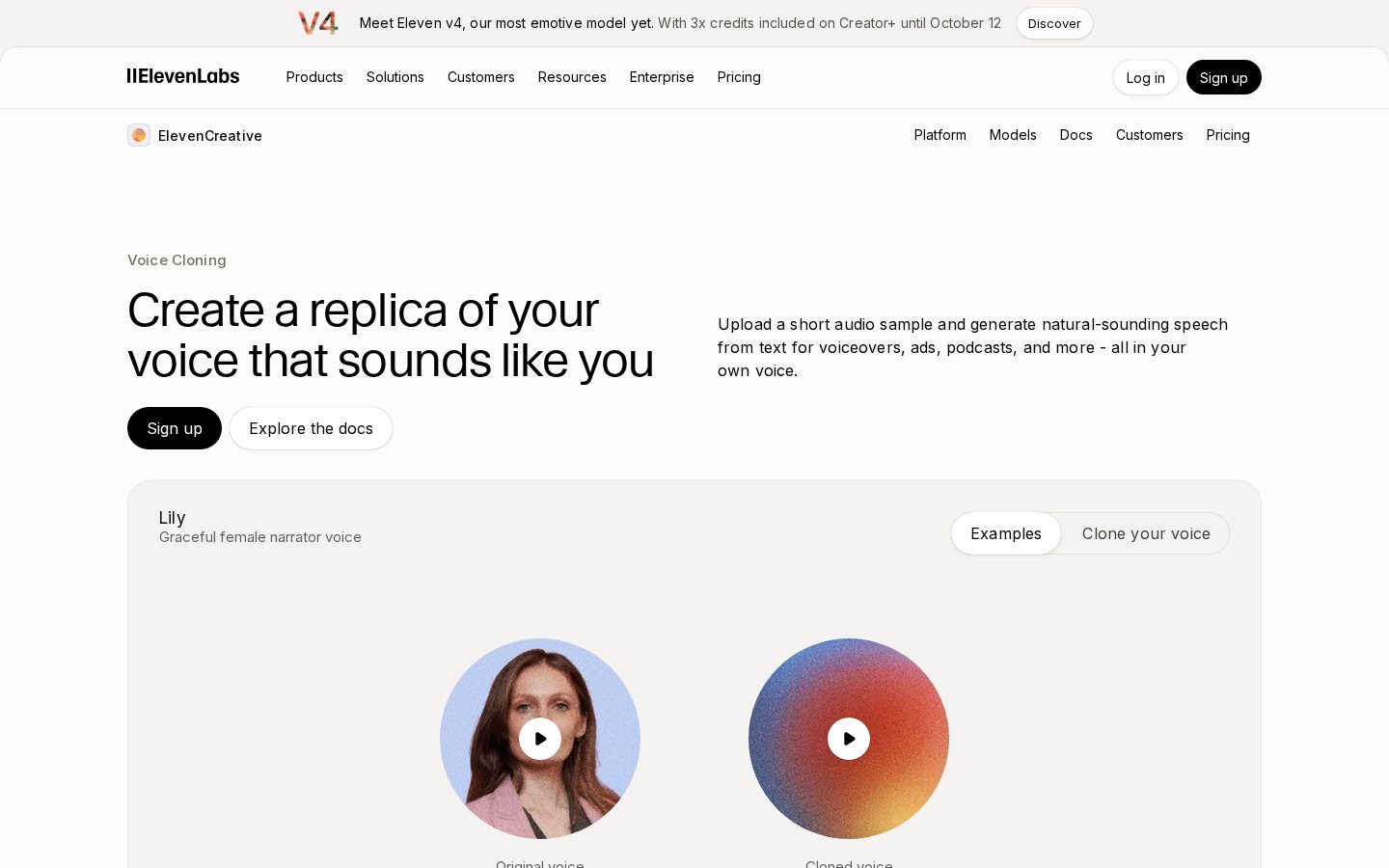
- 5Comparing Cloning Options: Instant vs. Professional Voice Cloning
- 6Alternative Scenarios: When to Choose Competitors
- 7Step-by-Step: How to Evaluate Your Voice Requirements
- 8Frequently asked
The short answer
- Creators needing emotional depth and highly realistic speech inflection should choose ElevenLabs for their audio projects.
- Users requiring unlimited offline generation or predictable flat-rate pricing should skip it due to strict credit caps.
- Multi-language video creators benefit from the platform's advanced automated voice translation and voice matching features.
You should use ElevenLabs if you need highly realistic synthetic voices for audiobooks, video production, or automated localization. You should skip ElevenLabs if you require unlimited offline rendering, operate on a razor-thin budget, or need an all-in-one video editing workspace.
The software has quickly established itself as a leading force in the text-to-speech landscape, known primarily for its ability to mimic human pacing, emotion, and breath. This realism makes it incredibly appealing to digital content creators, but the tool is not a universal solution for every audio project.
Before making a decision, it is essential to understand how the platform structures its feature sets and costs. Reading our comprehensive ElevenLabs Review: Pricing, Features and Limitations will provide additional context on how the tool stacks up against traditional voiceover methods and automated competitors.
The quick version
- Estimate your monthly character output
- Test your specific content on the
- Review the licensing terms for your
- Measure the generation latency
- Compare total costs against human narration
The Core Appeal: Realism and Emotional Inflection
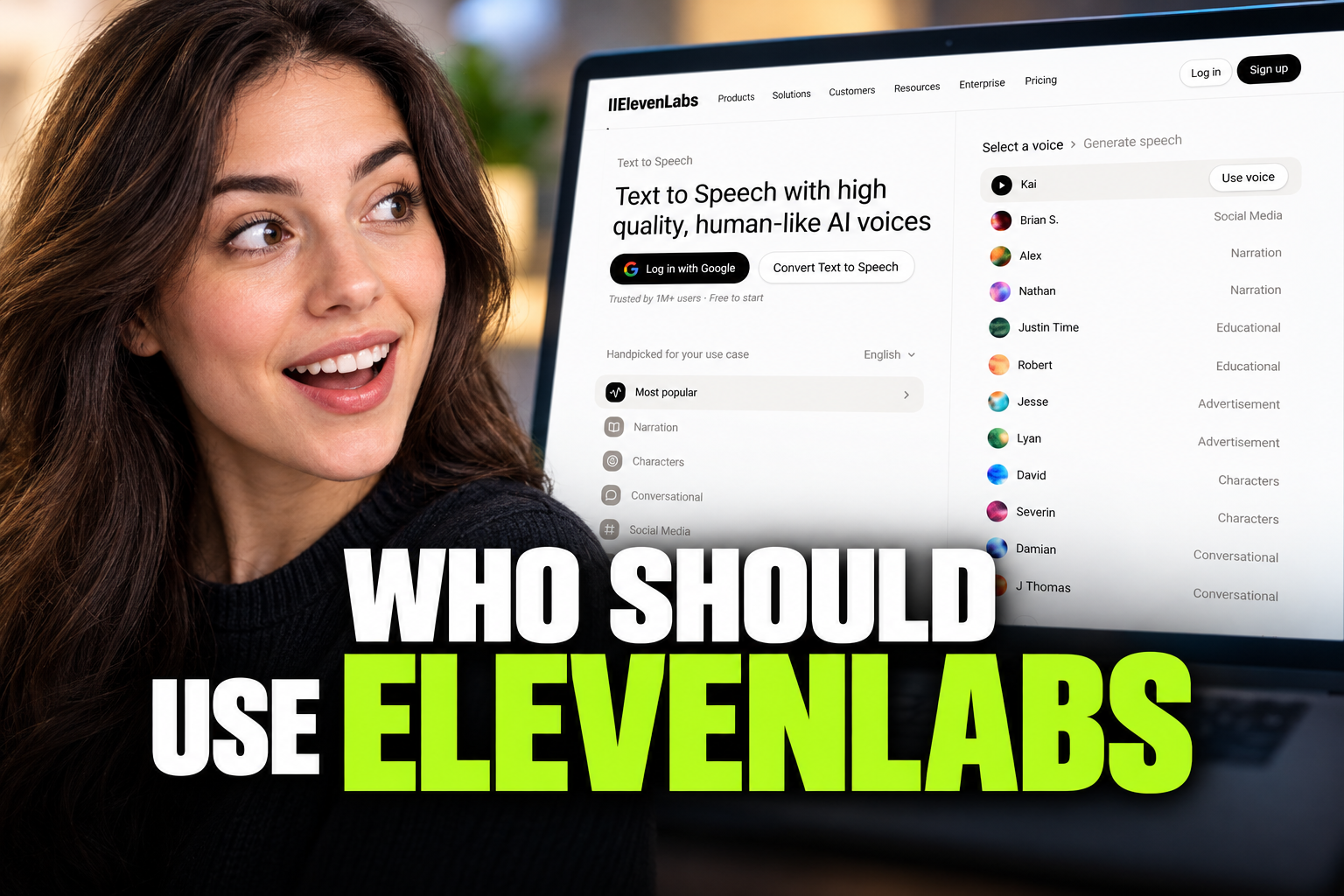
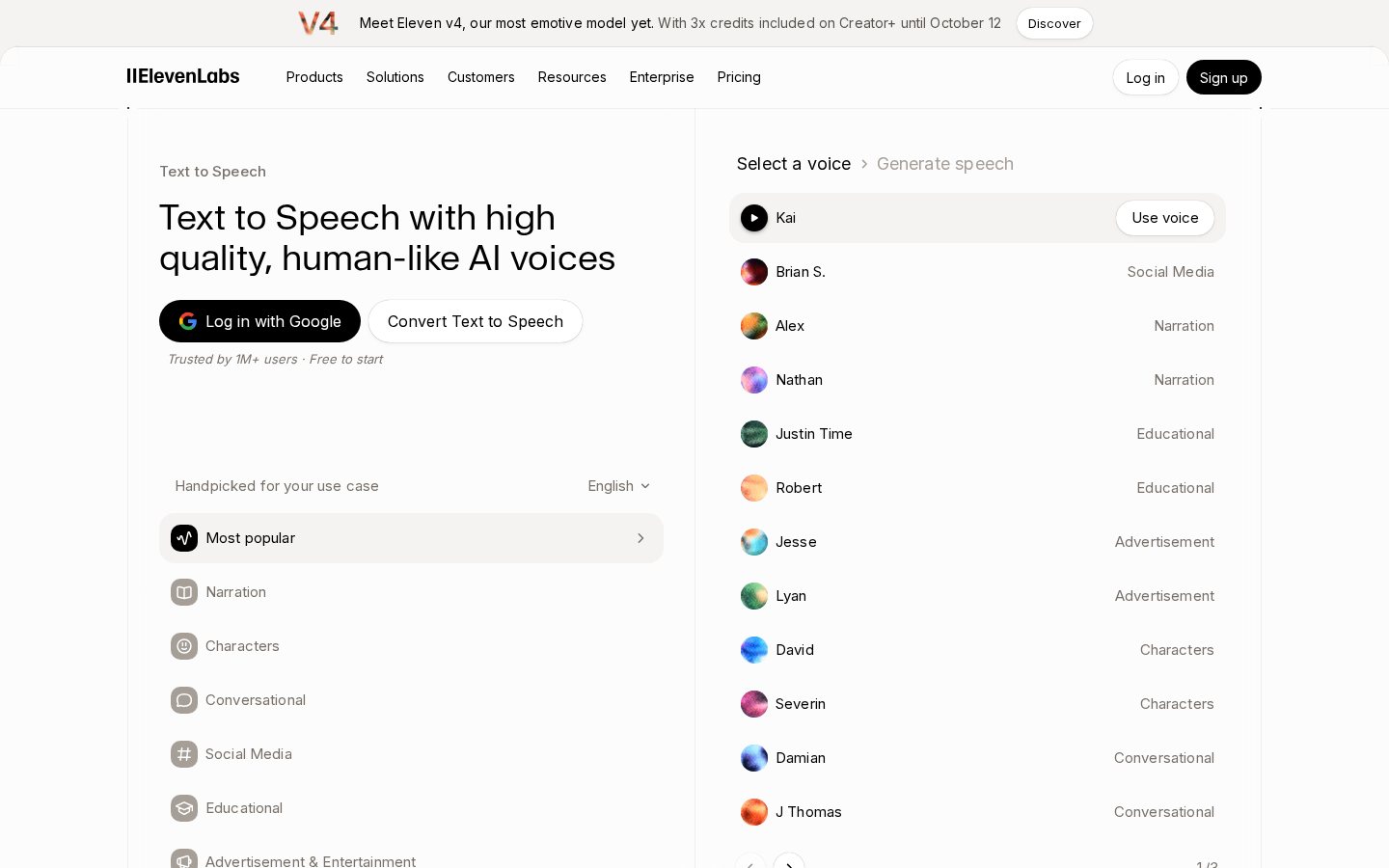
The primary draw of ElevenLabs is its advanced synthesis engine, which moves far beyond the robotic, flat delivery of older text-to-speech generators. When you paste text into the main generation interface, the neural network analyzes the surrounding punctuation, sentence structure, and emotional context to predict natural pauses and pitch shifts. It even synthesizes subtle inhalations, giving the output an organic, humanlike quality. This level of realism is crucial for narrative-driven content where listener fatigue can set in quickly.
Within the primary generation dashboard, you are presented with several settings designed to fine-tune the output. Users can customize the voice profile by adjusting the stability and clarity sliders to control how closely the AI matches the original training voice versus how expressive the output becomes. High stability ensures consistent delivery, while lower stability allows for more dramatic, emotional variance. This control is vital when trying to match the tone of an intense video script or an expressive fictional audiobook.
For many creators, this level of control is what makes the software indispensable. Instead of hiring voice actors for small script revisions, you can generate updated lines in seconds that seamlessly blend with existing recordings. However, achieving the perfect delivery often requires generating the same paragraph multiple times with slightly adjusted settings, which can quickly consume your monthly resource allocation.
Who Benefits Most: Creators, Animators, and Developers
Professional content creators who maintain high-volume output schedules stand to benefit the most from this platform. YouTube channel operators, digital animators, and independent authors who want to produce audiobooks without booking expensive recording studios find the platform to be highly efficient. The software allows these professionals to maintain consistent voice branding across hundreds of episodes or chapters without worrying about background noise, microphone quality, or scheduling conflicts.
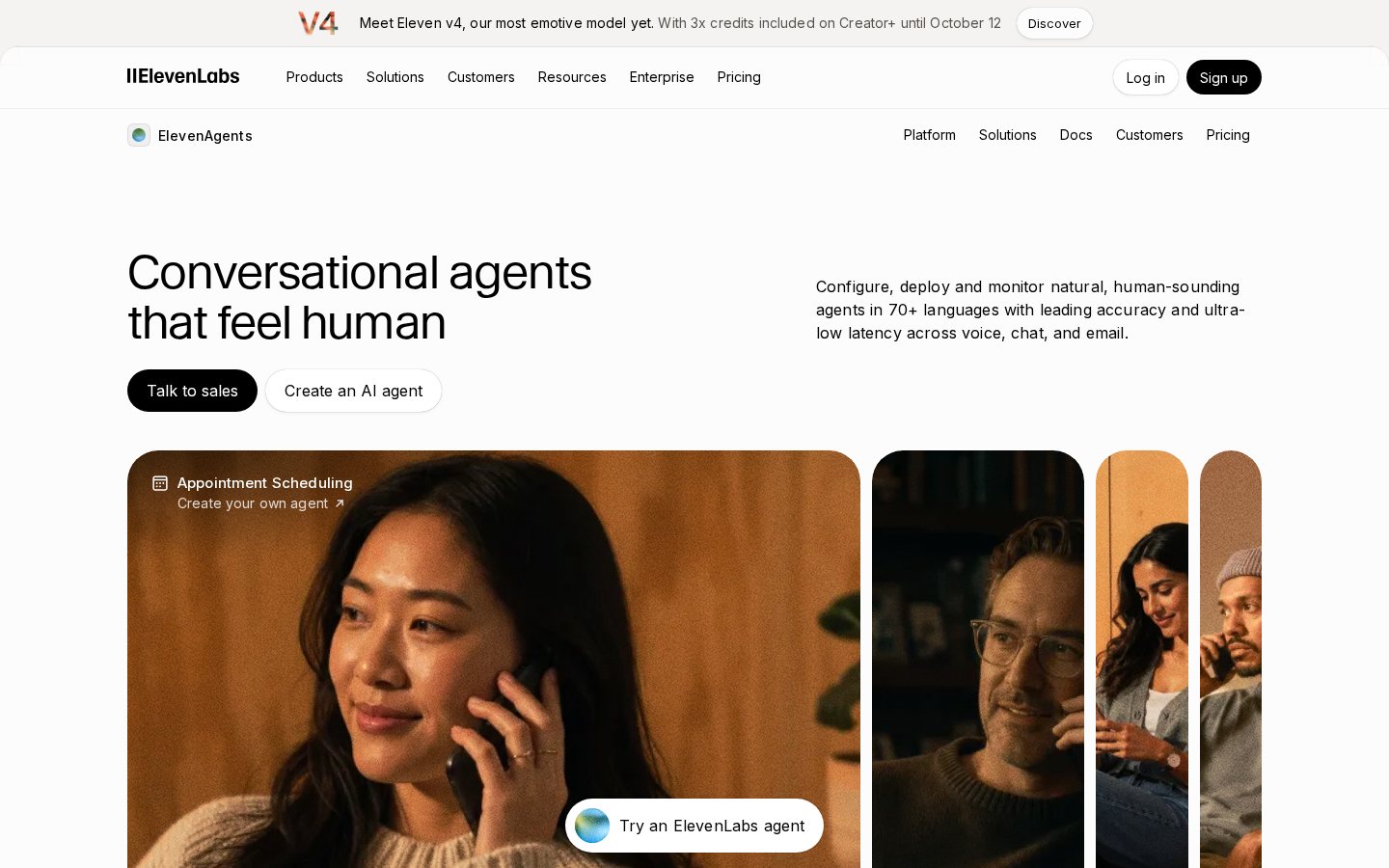
Additionally, developers and software engineers can leverage the platform's robust API to integrate real-time voice synthesis directly into applications, games, or customer service bots. The platform is optimized for low latency, ensuring that the synthesized voice responds almost instantly to user inputs. This opens up possibilities for dynamic storytelling in video games or highly interactive virtual assistants that sound genuinely conversational rather than robotic.
For those seeking to scale their localization efforts, the multi-language capabilities of the system are a major asset. The tool can translate a voice sample into dozens of different languages while preserving the original speaker's unique vocal characteristics. This makes it possible to distribute video content globally without losing the personal brand identity of the main presenter. For a deeper analysis of these capabilities, you can explore the ElevenLabs Review: Pricing, Features and Limitations.
Why Some Users Should Skip: The Credit and Cost Trap
While the performance of the system is remarkable, the operational costs can surprise users who are unprepared for the consumption model. Unlike traditional desktop software that you buy once, this platform operates on a strict subscription system where you purchase a set number of characters per month. Every single letter, space, and punctuation mark you type into the generator counts against your monthly limit, regardless of whether you keep the resulting audio file or discard it.
This consumption model means that if you are a writer who likes to experiment with different line deliveries, the recurring monthly costs can escalate rapidly. If you generate a thousand-word script five times to get the inflection just right, you have consumed five times the character count of that script. This structure is highly unfavorable for experimental creators, students, or hobbyists who do not generate direct revenue from their audio and cannot afford to purchase additional top-up credits.
Furthermore, teams that require absolute privacy or work with highly sensitive proprietary data must evaluate the platform's terms of service carefully. Because the synthesis engine runs in the cloud, your scripts must be uploaded to external servers for processing. For enterprise users with strict security mandates or offline editing requirements, this cloud-dependent workflow is an immediate dealbreaker, forcing them to look toward local, self-hosted alternatives instead.
Comparing Cloning Options: Instant vs. Professional Voice Cloning
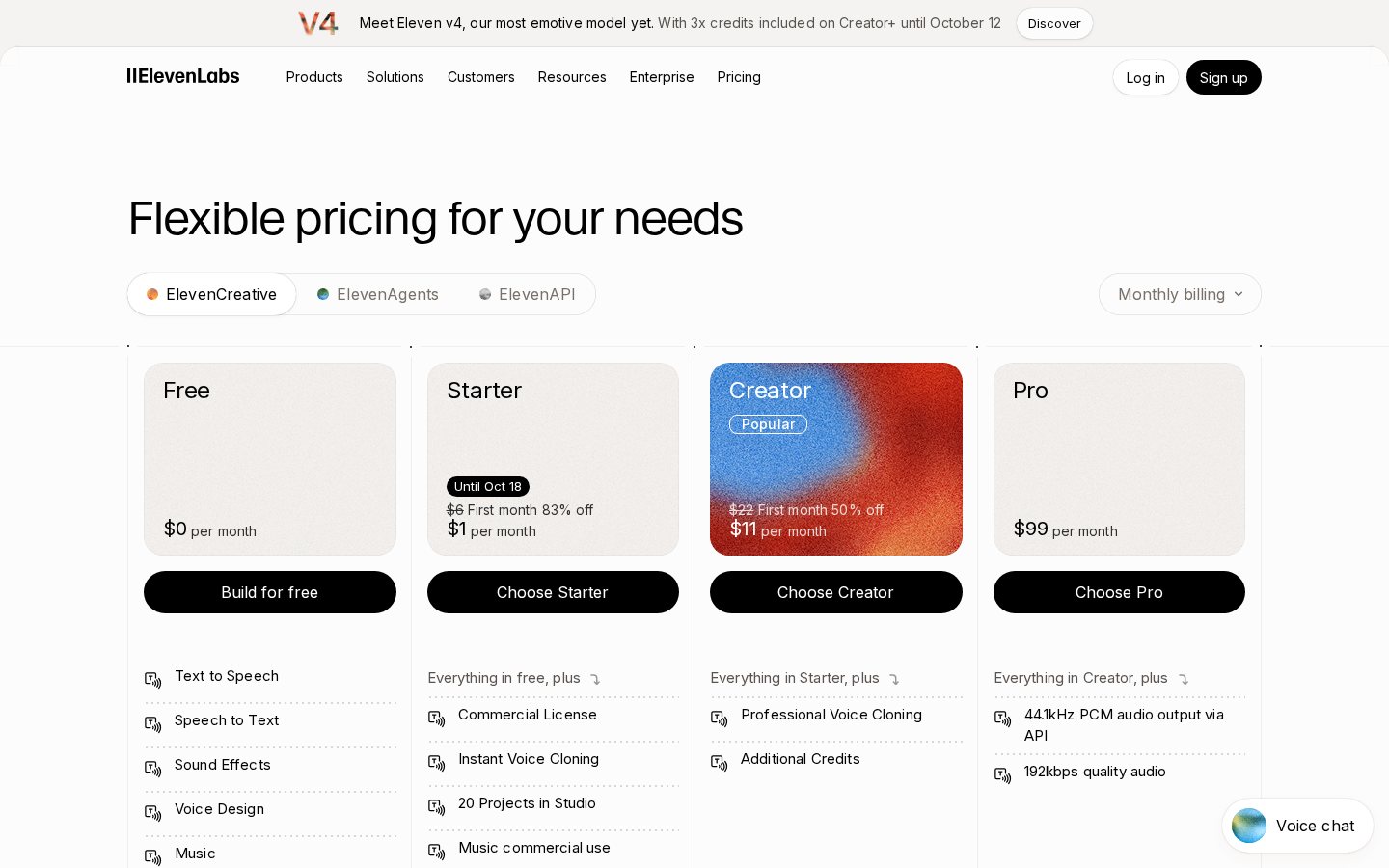
Understanding the distinction between the voice replication tiers is critical for deciding which setup fits your production needs. The platform divides voice cloning into two distinct paths, each catering to different quality demands and project timelines. Here is how they compare across key operational aspects:
- Aspect: Setup speed: Instant cloning generates a model within seconds from a short audio clip, while professional cloning requires hours of high-quality recording and several days of processing.
- Aspect: Output quality: Instant cloning captures basic pitch but can struggle with long sentences, while professional cloning delivers highly nuanced speech indistinguishable from the actual speaker.
- Aspect: Resource cost: Instant cloning uses basic monthly subscription allocations, while professional cloning requires premium tier plans and a substantial initial character investment.
- Aspect: Security verification: Instant cloning requires minimal validation for personal use, while professional cloning requires a live voice verification prompt to prevent unauthorized voice theft.
This comparison highlights that casual creators are better off relying on instant voice replication for quick projects, while businesses aiming for long-term brand consistency must prepare for the rigorous onboarding process of the professional tier. Choosing between these paths will dictate your monthly subscription tier and total setup time.
Alternative Scenarios: When to Choose Competitors
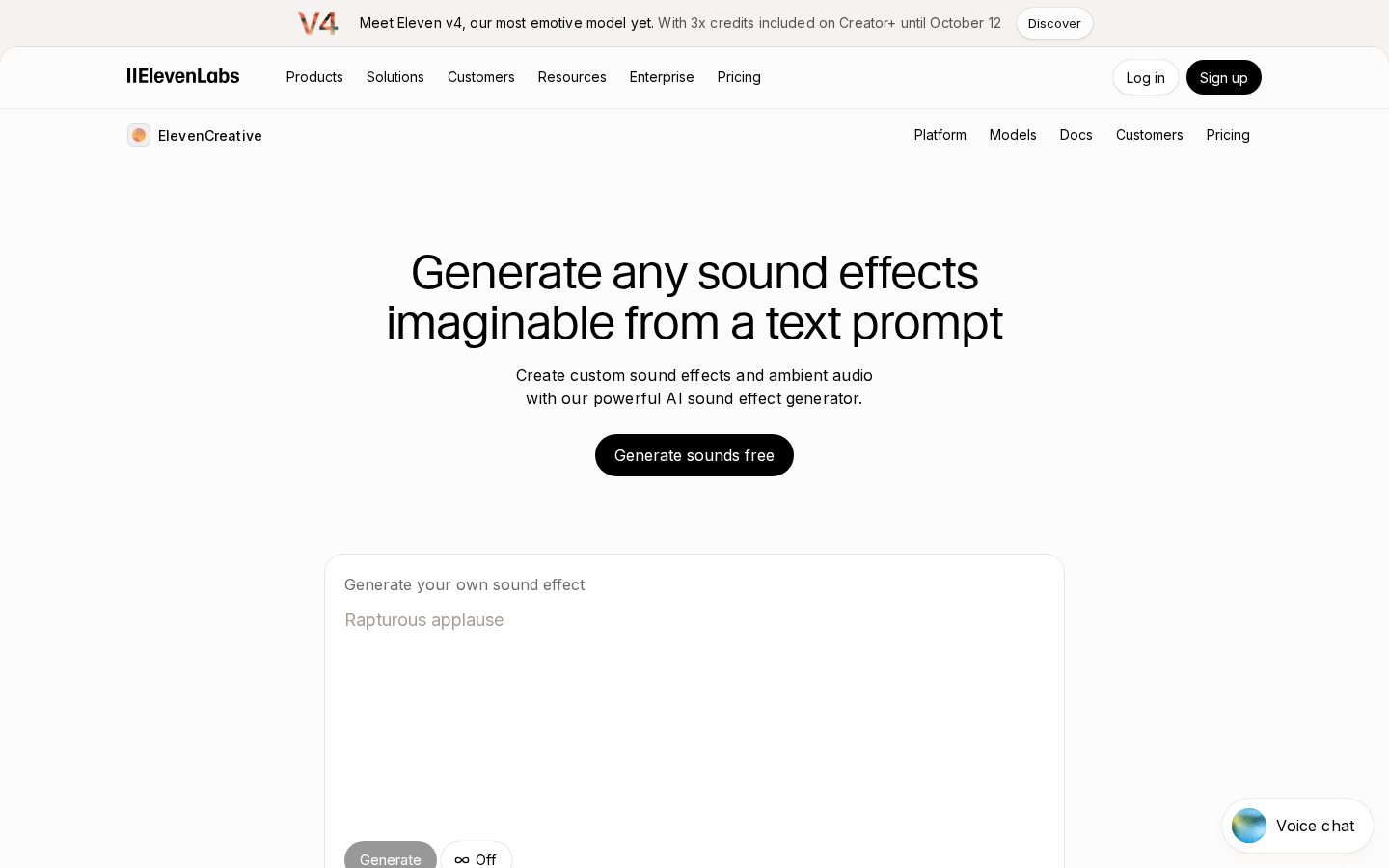
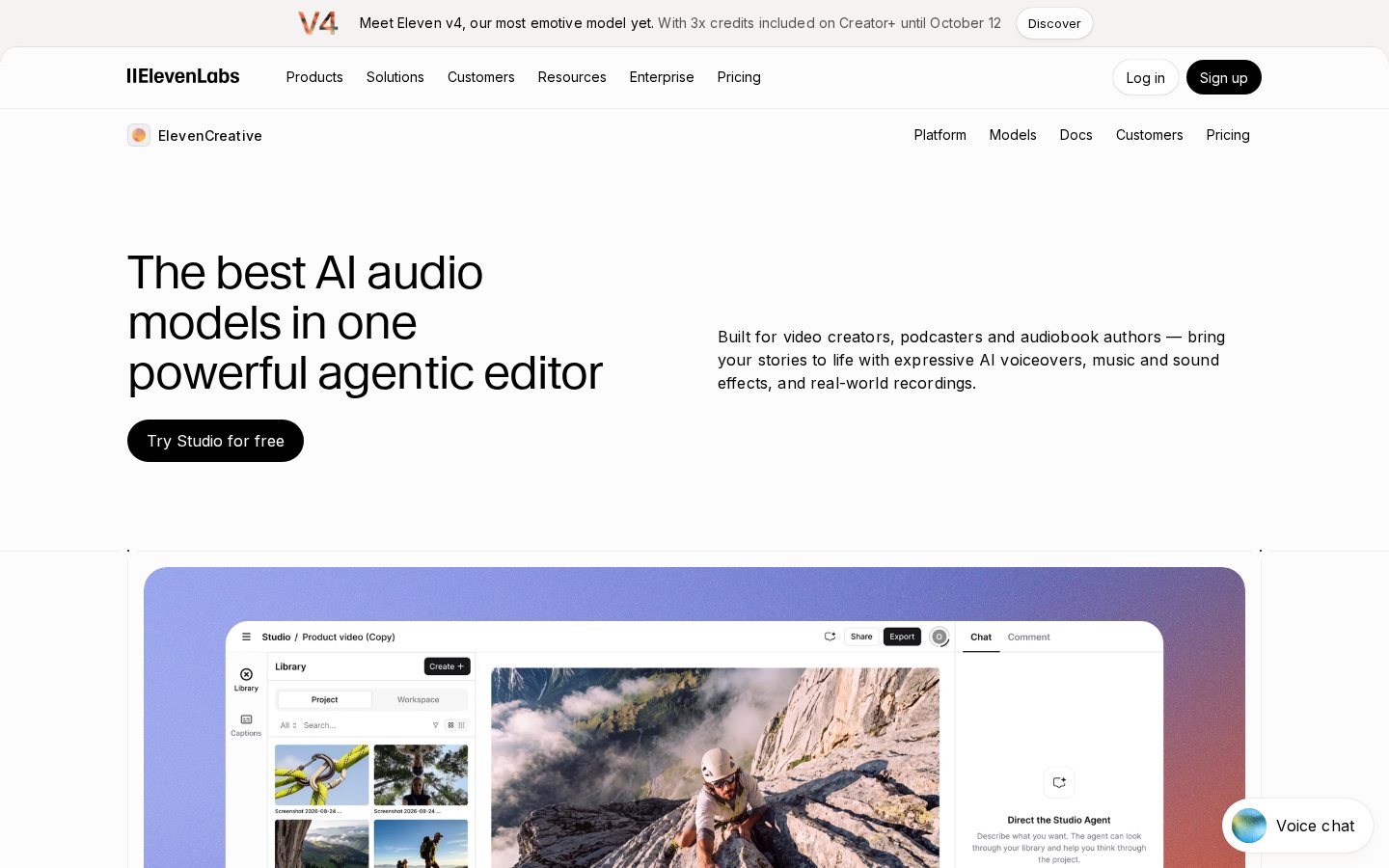
If your primary goal is to edit video and audio simultaneously, ElevenLabs may not be the ideal solution. It is designed purely as an audio generation engine, meaning it lacks timeline-based video editing tools, stock footage libraries, and advanced multi-track mixing boards. Creators who want an all-in-one workspace where they can generate a script, apply an AI voice, and sync it to stock video frames in one window should look toward specialized video editing suites instead.
Another scenario where competitors shine is in basic, budget-friendly presentations. If you are creating internal training slideshows where raw realism is secondary to clear, straightforward delivery, there are many alternative platforms that offer flat-rate pricing or unlimited generation packages. Using a premium tool for standard corporate slide narrations is often an unnecessary expense when simpler built-in screen recording and text readers can do the job at a fraction of the cost.
Ultimately, the decision to invest in this software comes down to the value you place on vocal realism. If your brand relies on emotional resonance and professional-grade audio, the investment is easily justified. If you simply need a clear voice to read out technical documentation, you can comfortably skip it. For a detailed breakdown of how these alternatives compare in performance, refer to our ElevenLabs Review: Pricing, Features and Limitations.
Step-by-Step: How to Evaluate Your Voice Requirements
To determine whether this platform fits your ongoing workflow without risking unnecessary subscription charges, follow these structural steps:
- Estimate your monthly character output. Calculate the total word count of your typical monthly scripts and multiply it by six to account for formatting, spacing, and potential retakes.
- Test your specific content on the free tier. Input a highly expressive or technical paragraph to see if the default voices can handle your industry's specific phonemes and jargon.
- Review the licensing terms for your plan. Check the usage restrictions to ensure that your selected subscription tier legally permits commercial distribution on your intended channels.
- Measure the generation latency. If you are building an interactive app, use the API test console to see if the response times meet your user experience standards.
- Compare total costs against human narration. Calculate whether the monthly subscription and credit costs are lower than hiring a voice actor for your specific volume.
By following this structured assessment, you can make an informed decision based on actual production data rather than hype, saving your team from unexpected credit overages.
Frequently asked
As an Amazon Associate I earn from qualifying purchases. This does not affect the price you pay. Affiliate disclosure