Can You Use Lovable for Commercial Work? Rules & Rights
Discover how code ownership, subscription tiers, and production setups affect your ability to launch commercial applications with Lovable.
Some links are affiliate links: we may earn a commission if you sign up or buy through them, at no extra cost to you.
On this page8 sections
- 1The short answer
- 2Understanding Who Owns Your Lovable Code
- 3Choosing the Right Plan for Business Launch
- 4How to Deploy Your App for Commercial Customers
- 5Mitigating Platform Risk and Vendor Lock-In
- 6Securing Your Commercial App for Customer Data
- 7Which Subscription Strategy Fits Your Business Model?
- 8Frequently asked
The short answer
- You own all generated code and can use it for commercial apps or client work.
- Free tiers have usage limits that make upgrading necessary for any live business application.
- Exporting your code to GitHub ensures you retain full control without vendor lock-in.
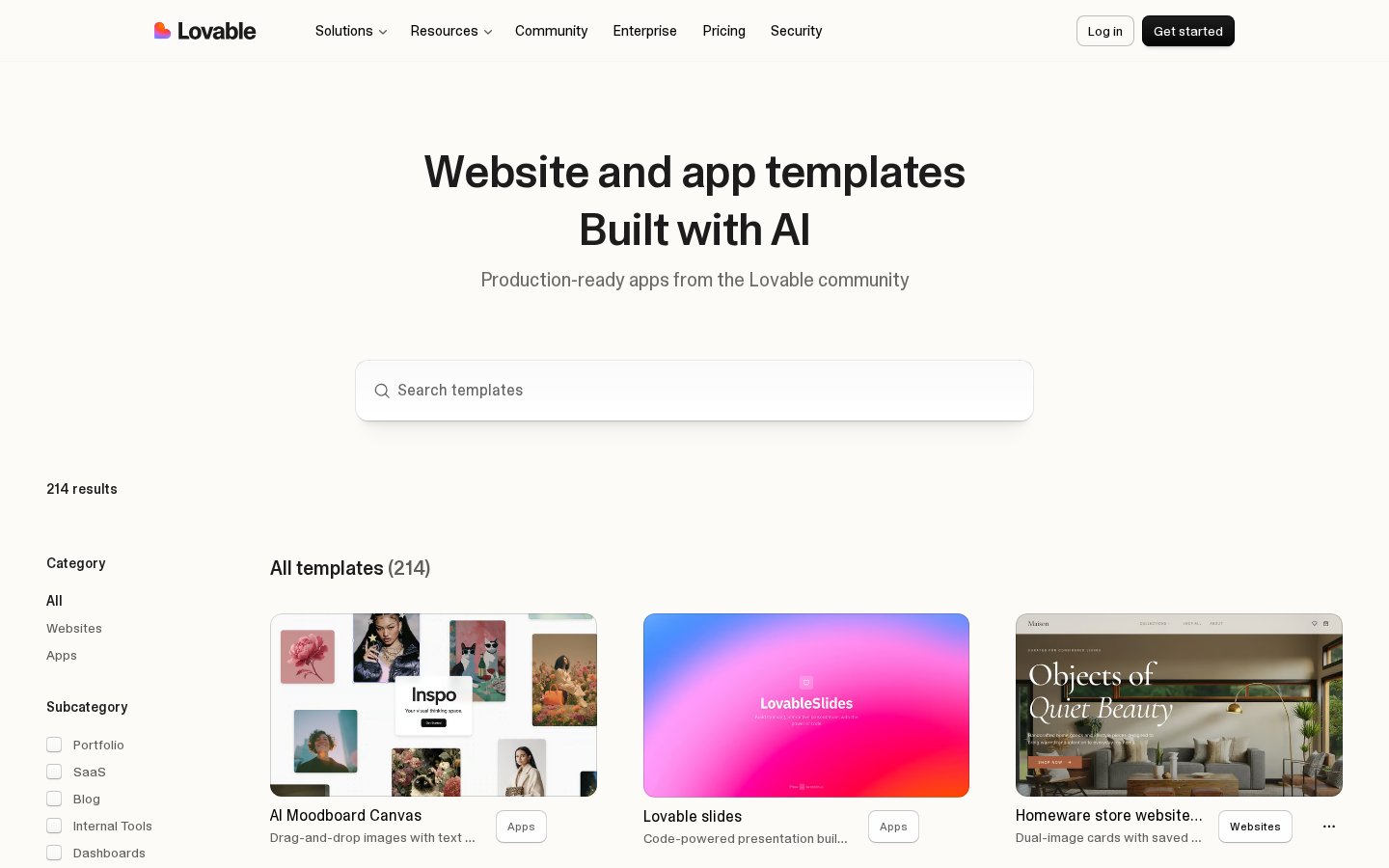
Yes, you can use Lovable for commercial work to build, launch, and monetize your custom software applications. You fully own the code generated by the platform, allowing you to sell your apps, charge users, or build custom tools for clients.\n\nWhile the intellectual property belongs to you, the ease of running a commercial application depends heavily on your subscription tier. Free users face strict execution limits that make sustained business operations impractical without upgrading.\n\nUnderstanding how Lovable handles code exports, custom domains, and database connections is essential before launching a commercial product. Here is how to navigate the platform's commercial licensing and deployment options.
Understanding Who Owns Your Lovable Code
When you build an application using this AI tool, the platform generates standard source code that forms the foundation of your software. Unlike some traditional site builders that trap your creations inside proprietary systems, Lovable grants you full ownership of the assets you generate. This means you can download, modify, and host your project files on any external server without paying ongoing royalties to the platform.\n\nThis open ownership model is crucial for anyone building a commercial enterprise or doing client work. If you decide to move your project to a different host or hire a human developer to write custom features, you can do so freely. The ownership remains yours from the moment the AI writes the line of code, giving you complete freedom to sell your software applications directly to customers, charge monthly subscription fees, or package the tool as a proprietary asset for enterprise clients.\n\nTo understand the specific features available at each tier, you can read our detailed Lovable Review 2026: Pricing, Free Plan & Who It's For to see how code export features align with your budget. Having access to your raw codebase protects your business from sudden platform changes or service disruptions. It ensures that your valuable digital property is permanently secure under your own authority.
Choosing the Right Plan for Business Launch
Although you technically own your code even on a free account, running a live business requires a paid subscription. The free tier limits the number of AI messages you can send each month, which restricts how quickly you can update your app or fix critical production bugs. For a real business, a paid plan is virtually mandatory to ensure consistent uptime, fast support, and quick updates when clients run into system obstacles that prevent them from checking out.\n\nPaid tiers offer higher limits on AI interactions and grant access to advanced deployment options. These options include connecting custom domains, which is vital for establishing professional branding with your target audience. Clients and paying users expect a custom web address rather than a default staging URL, making this upgrade critical for brand perception.\n\nUpgrading also unlocks better support and integration options. If your commercial application suffers an unexpected error during peak hours, having priority access to platform updates and troubleshooting tools can save your business from costly downtime. Check out the Lovable Review 2026: Pricing, Free Plan & Who It's For for an in-depth breakdown of these service limits.
How to Deploy Your App for Commercial Customers
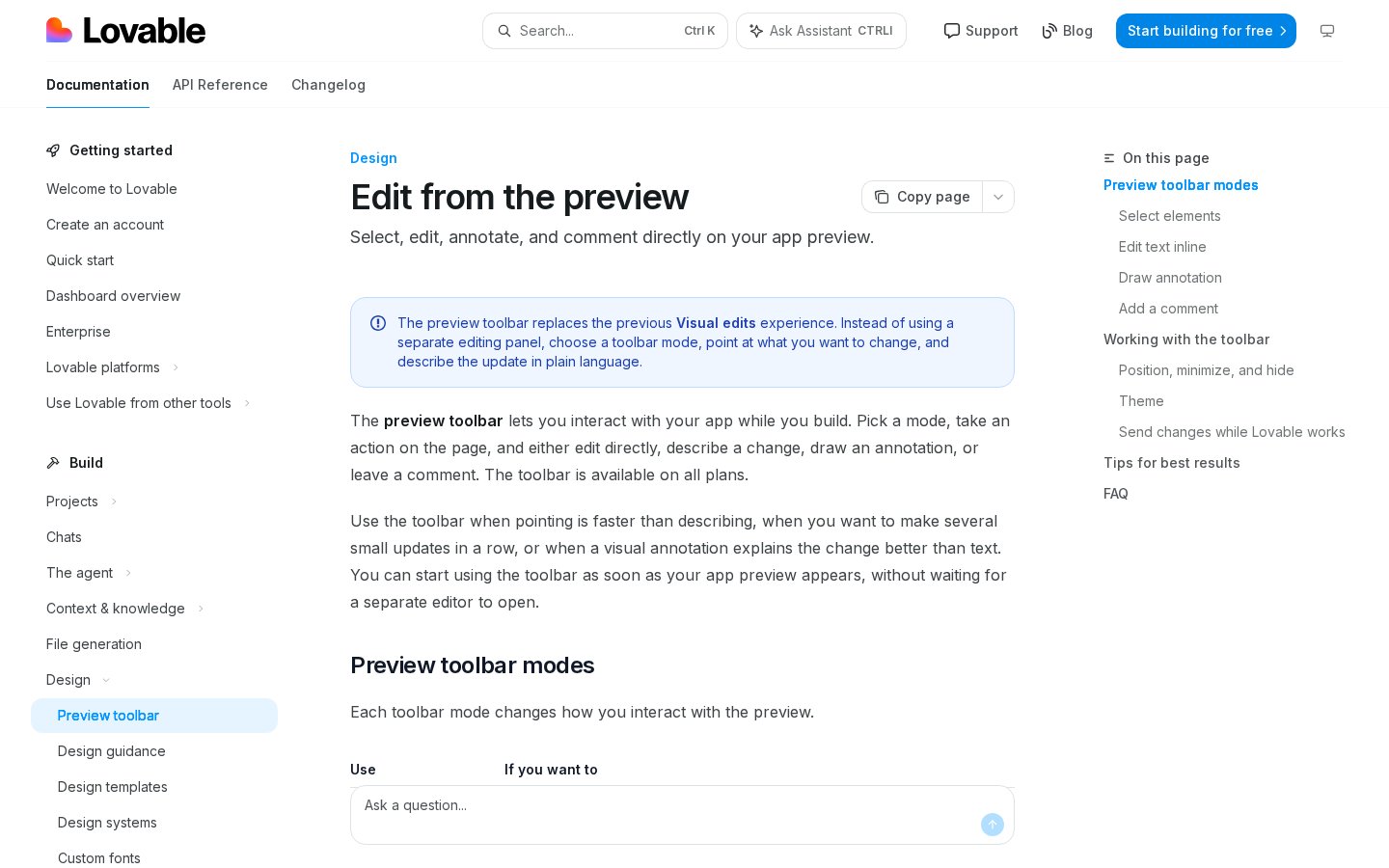
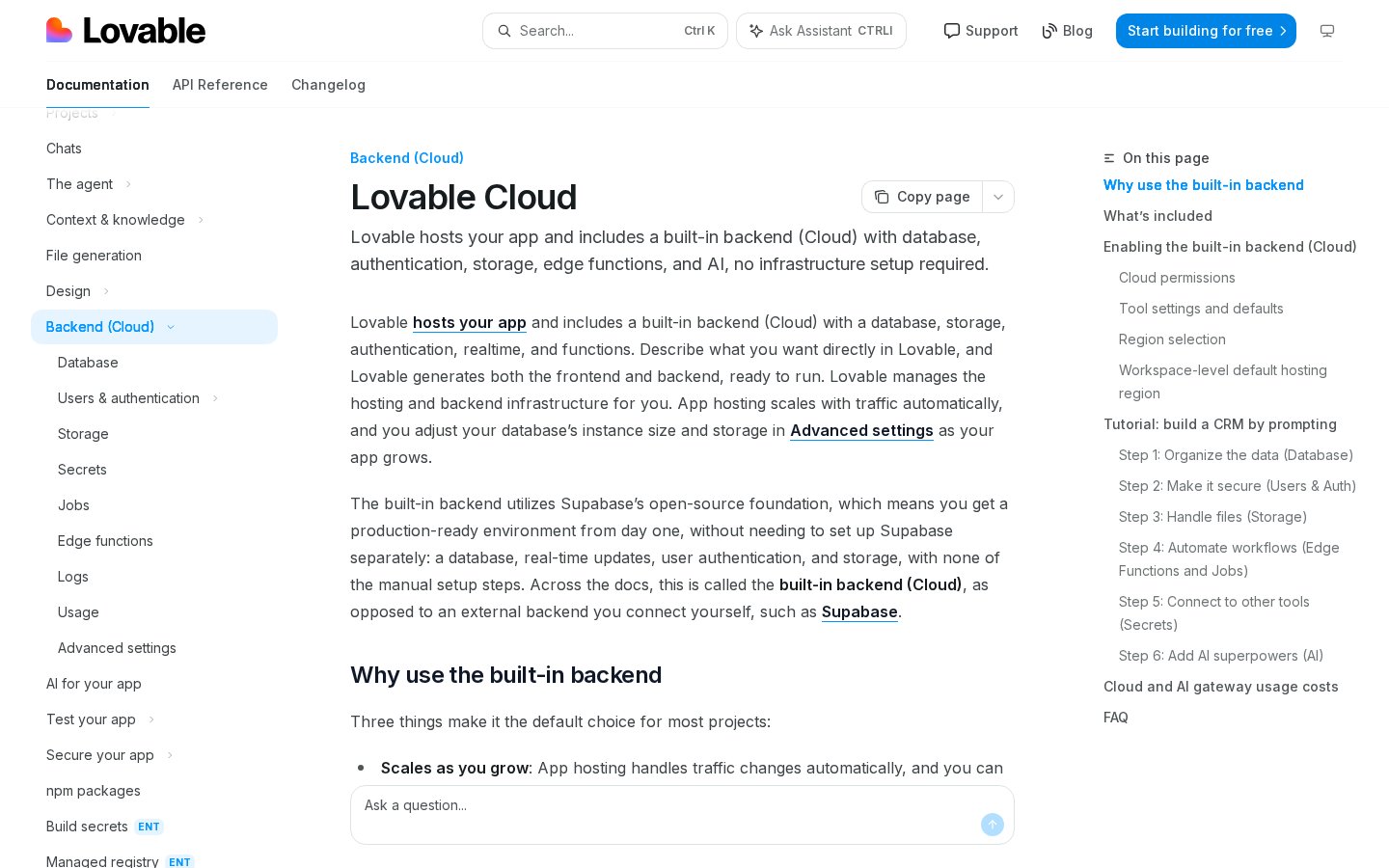
Transitioning your application from an experimental prototype to a production-ready commercial asset requires careful configuration. You must secure your database connections, set up custom branding, and establish a reliable hosting environment. This ensures your paying users experience a smooth, fast, and secure interface that supports high traffic volumes without slowing down during peak business hours.\n\n1. Connect a custom domain name. This replaces the default staging subdomain with your professional business web address.\n2. Configure your external database. Set up a secure production database through services like Supabase, which is crucial for handling real user data safely.\n3. Link your project to GitHub. Exporting your project repository to GitHub ensures you have a continuous backup of your entire codebase.\n4. Establish your payment gateway. Integrate financial tools like Stripe directly into your frontend code to handle customer transactions safely.\n5. Set up analytics and error monitoring. Install tracking scripts to observe user behavior and catch software bugs before they impact your sales.\n\nFollowing these steps helps protect your user data and ensures your software runs reliably under heavy traffic. Taking these precautions protects your brand image and gives you peace of mind as your customer base expands. It transforms a simple experimental script into a legitimate, secure web resource that partners, clients, and payment processors can trust.
Mitigating Platform Risk and Vendor Lock-In
One of the biggest risks in modern software development is vendor lock-in, where a business becomes entirely dependent on a single service provider. Lovable mitigates this risk by utilizing popular, open-source frameworks. The platform generates clean React and Vite code, which are industry standards that millions of web developers understand and use daily.\n\nBecause the generated files are standard web projects, you do not need Lovable to keep your application online once it is built. You can export the files and host them on independent cloud hosting services without any special dependencies. This flexibility guarantees that your business remains operational even if you choose to cancel your software subscription, migrate your entire infrastructure, or shift to a custom cloud hosting provider.\n\nFor commercial operators, this export path is a major selling point. It allows you to use the speed of AI generation for rapid prototyping and initial launches, while retaining the freedom to transition to traditional cloud hosting as your scaling demands grow. You get the speed of modern artificial intelligence combined with the safety of traditional web development practices.
Securing Your Commercial App for Customer Data
When launching a commercial product, you must comply with privacy laws such as GDPR or CCPA depending on where your customers live. Lovable acts as the user interface builder, but you are ultimately responsible for how customer data is processed. You must ensure that any connected database or backend service meets these strict compliance standards.\n\nWhen building forms, subscription paywalls, or user profiles, make sure your database security rules are configured correctly. Avoid hardcoding sensitive API keys or passwords directly into the frontend code where users can inspect them. Instead, utilize backend environment variables and secure gateway setups to store sensitive credentials safely away from public eyes, keeping your user databases and transaction channels fully insulated from vulnerability.\n\nAdditionally, you should implement clear terms of service and privacy policies on your site. Since you own the application, you bear the legal responsibility for protecting customer passwords, transaction details, and personal communications from unauthorized access. Setting up secure user authentication rules is your first line of defense against security threats.
Which Subscription Strategy Fits Your Business Model?
Deciding how to approach your commercial launch depends on your current development phase and immediate budget. If you are in the validation phase, using the free tier to prototype is highly logical. This allows you to gather initial feedback from early testers without risking capital before you prove market demand.\n\nHowever, once you decide to launch to paying clients, the choice shifts heavily toward paid hosting and professional subscriptions. Upgrading to a paid tier ensures your app can scale, remains accessible under custom branding, and gives you the necessary resources to deploy hotfixes instantly. This transition marks the point where your project turns into a serious enterprise, giving you the priority generation queues needed to handle customer emergencies instantly.\n\nIf you want to read more about how the tier limits operate, look over the Lovable Review 2026: Pricing, Free Plan & Who It's For to map your expected usage against their available monthly quotas. Choosing the right path early prevents unexpected downtime when your business begins attracting active users. Making an informed plan selection guarantees that your launch goes smoothly without service interruptions.
Frequently asked
As an Amazon Associate I earn from qualifying purchases. This does not affect the price you pay. Affiliate disclosure