
Choose the Right Lovable Review for Your Project
Learn how to choose a Lovable review by checking its project fit, database coverage, code export details, deployment evidence, SEO limits and scaling risks.
Some links are affiliate links: we may earn a commission if you sign up or buy through them, at no extra cost to you.
On this page9 sections
- 1The short answer
- 2How Do You Choose the Right Lovable Review?
- 3Check the Reviewer's Method and Evidence
- 4Assess Database and Backend Coverage
- 5Verify Code Ownership, GitHub Sync and Portability
- 6Compare Deployment, SEO and Scaling Evidence
- 7Match the Review to Your Development Path
- 8Use a Final Credibility Checklist
- 9Frequently asked
The short answer
- Focus reviews on database integration over simple cosmetic layouts.
- Look for detailed breakdowns of code exporting and GitHub synchronization.
- Assess trial limits to understand real-world monthly operating costs.
Choose the right Lovable review by selecting one that tests the same type of project you plan to build. It should explain database integration, code ownership, deployment options, SEO limits and scaling risks, with evidence from a working application rather than a simple visual demo. Also check the author's experience, methodology and stated limitations before relying on the verdict.
How Do You Choose the Right Lovable Review?
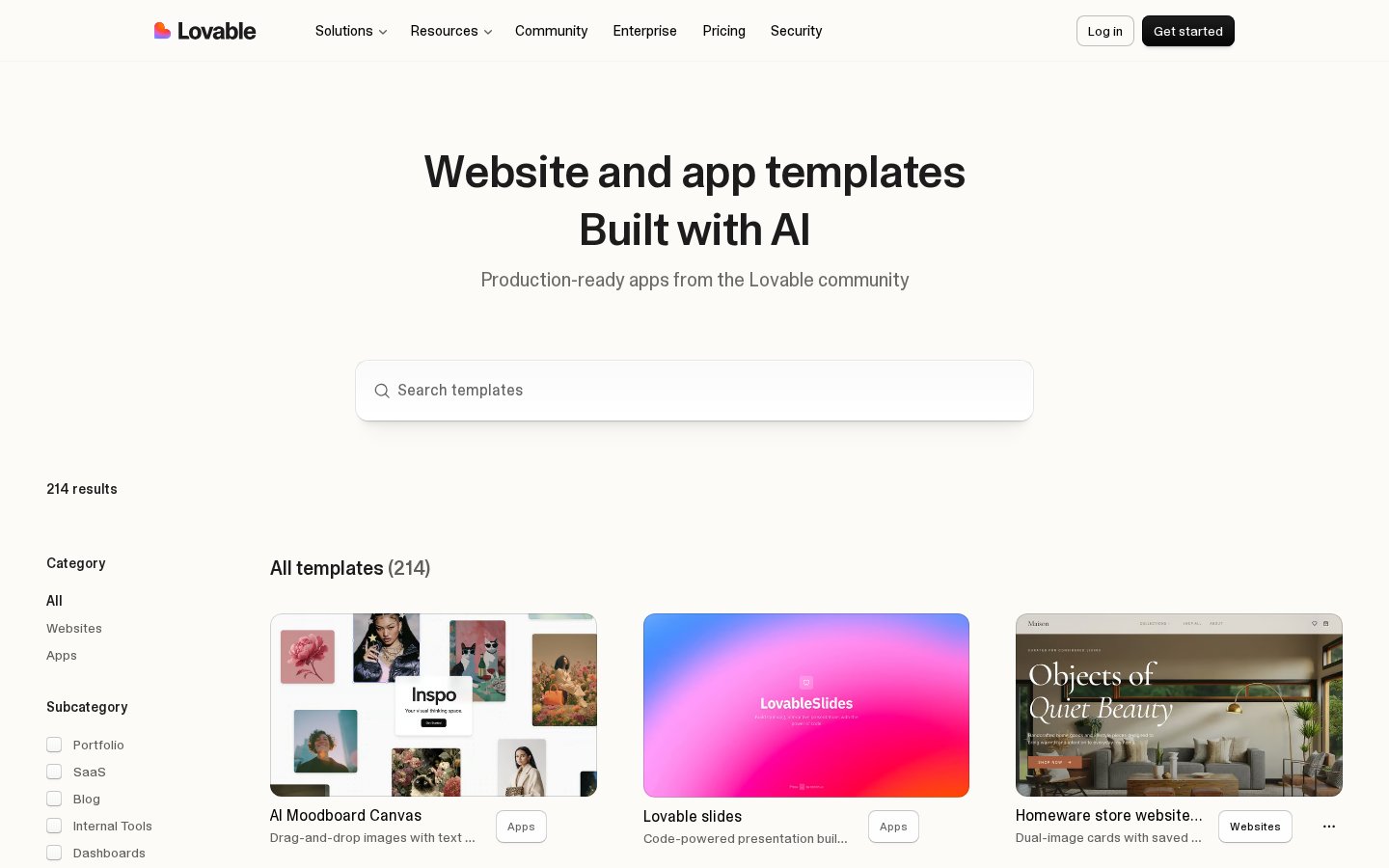
Start by defining what you need the review to answer. A founder validating an idea, a developer accelerating a build and a team assessing production use will care about different evidence. Write down your intended application, data sensitivity, integrations, hosting plan and likely handoff before reading reviews. Then favour an assessment that covers those requirements directly. A useful review should identify what was built, which features were exercised and where the reviewer encountered limits. It should distinguish a successful prototype from a maintainable production application. Avoid treating a polished interface as proof that authentication, permissions, data relationships or deployment are ready. For a broader platform overview, read our Lovable review and AI web app guide alongside the specialist sources cited below. The right review is the one whose test conditions most closely match your planned use.
Check the Reviewer's Method and Evidence
Not all online feedback on software performance is equal. You can filter out superficial write-ups by checking if the author followed a systematic evaluation process. Look for a clear description of the application, prompts, integrations and deployment path used during evaluation. Screenshots or code excerpts can help, but they should support an explained method rather than replace it. Check whether the author distinguishes platform documentation from personal observations and whether limitations are reported as clearly as successes. Give more weight to accounts from people who describe what they built and how they handled failures or revisions. Independent technical commentary from LA Soft and project-based guidance from Made With Lovable can help you frame these questions, while Lovable's own FAQ and support pages clarify the platform's documented behaviour. A credible review makes its scope and evidence easy to inspect.
Assess Database and Backend Coverage
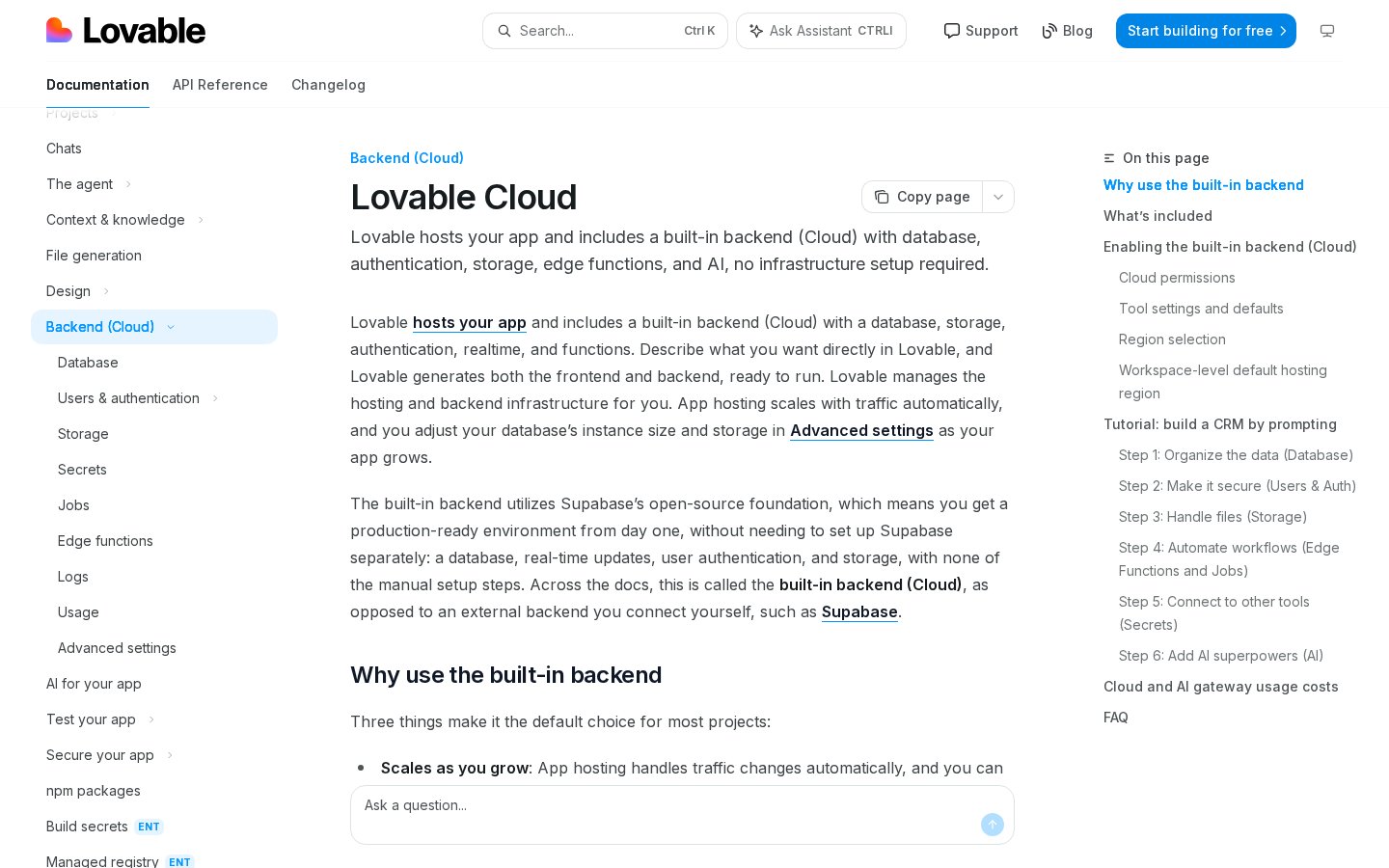
A major dividing line in productivity software reviews is how tools handle data persistence. A page that looks complete may still lack a working backend. Lovable documentation identifies Supabase as an integration for backend functions, so a relevant review should explain what happened when the reviewer connected and changed real data. Look for coverage of table structure, authentication, permissions, error handling and schema revisions. If the application uses related records, the assessment should discuss whether those relationships remained understandable and editable. Pay particular attention to row-level security because generated screens do not demonstrate that users can access only the records intended for them. A balanced guide to building web apps with Lovable should also separate automated setup from tasks that may require manual work. Static UI tests do not establish full-stack suitability, and a review that skips data behaviour may not answer questions about a database-backed product.
Verify Code Ownership, GitHub Sync and Portability
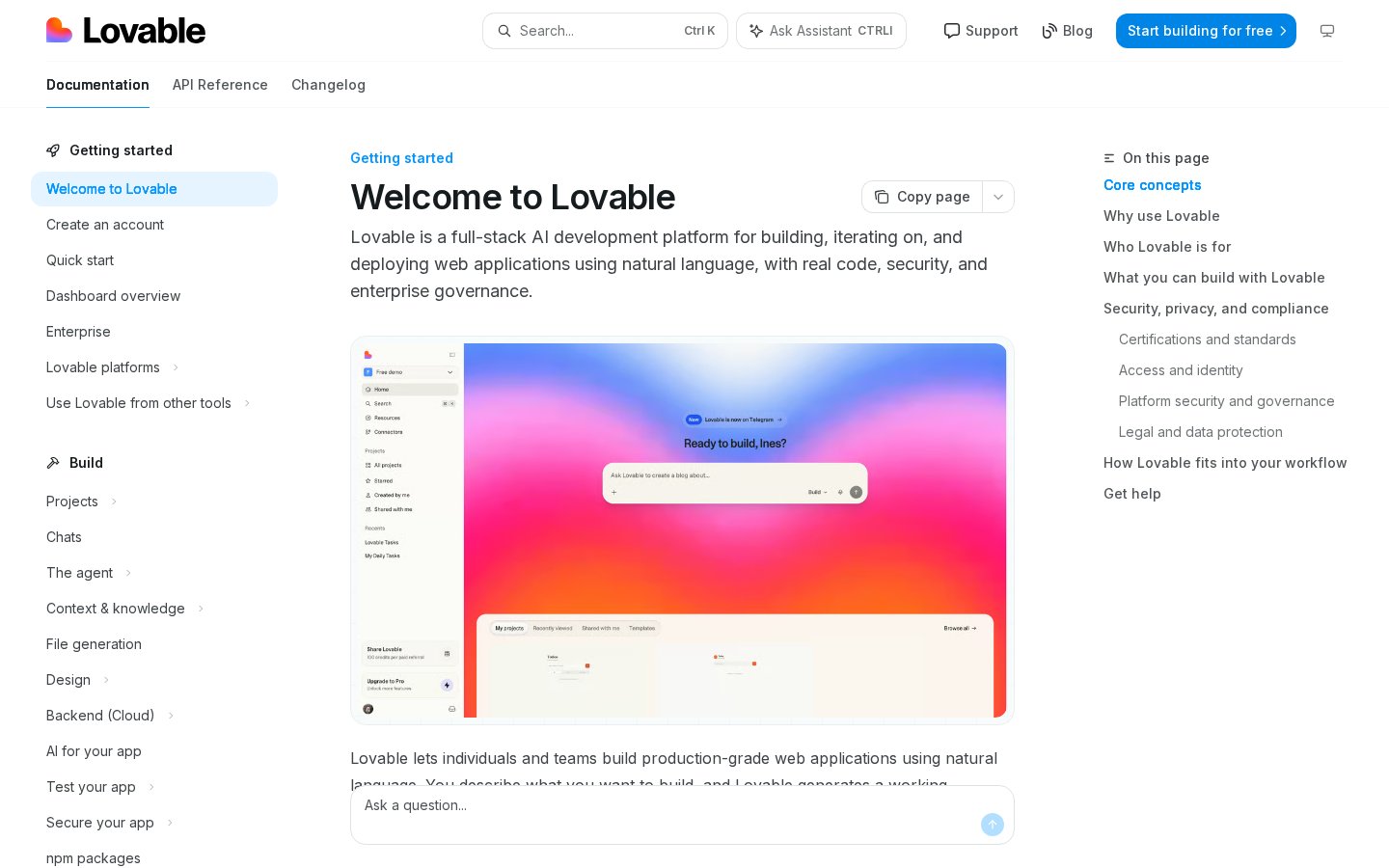
Vendor dependence is a critical issue when software may outgrow an AI builder. Lovable's FAQ documents GitHub integration and code ownership, but a useful independent review should go further by explaining the practical workflow. Check whether it describes repository synchronisation, generated project structure, environment variables and the steps required to work outside Lovable. The reviewer should inspect whether components are understandable and whether another developer could continue the project without relying on the original prompt history. Look for discussion of code portability rather than a simple statement that export exists. Portability also depends on external services, secrets and deployment configuration, not only source files. Claims about ownership should be tied to current official documentation, as platform terms and features can change. Prioritise this evidence if you expect a professional developer to maintain or migrate the application later.
Compare Deployment, SEO and Scaling Evidence
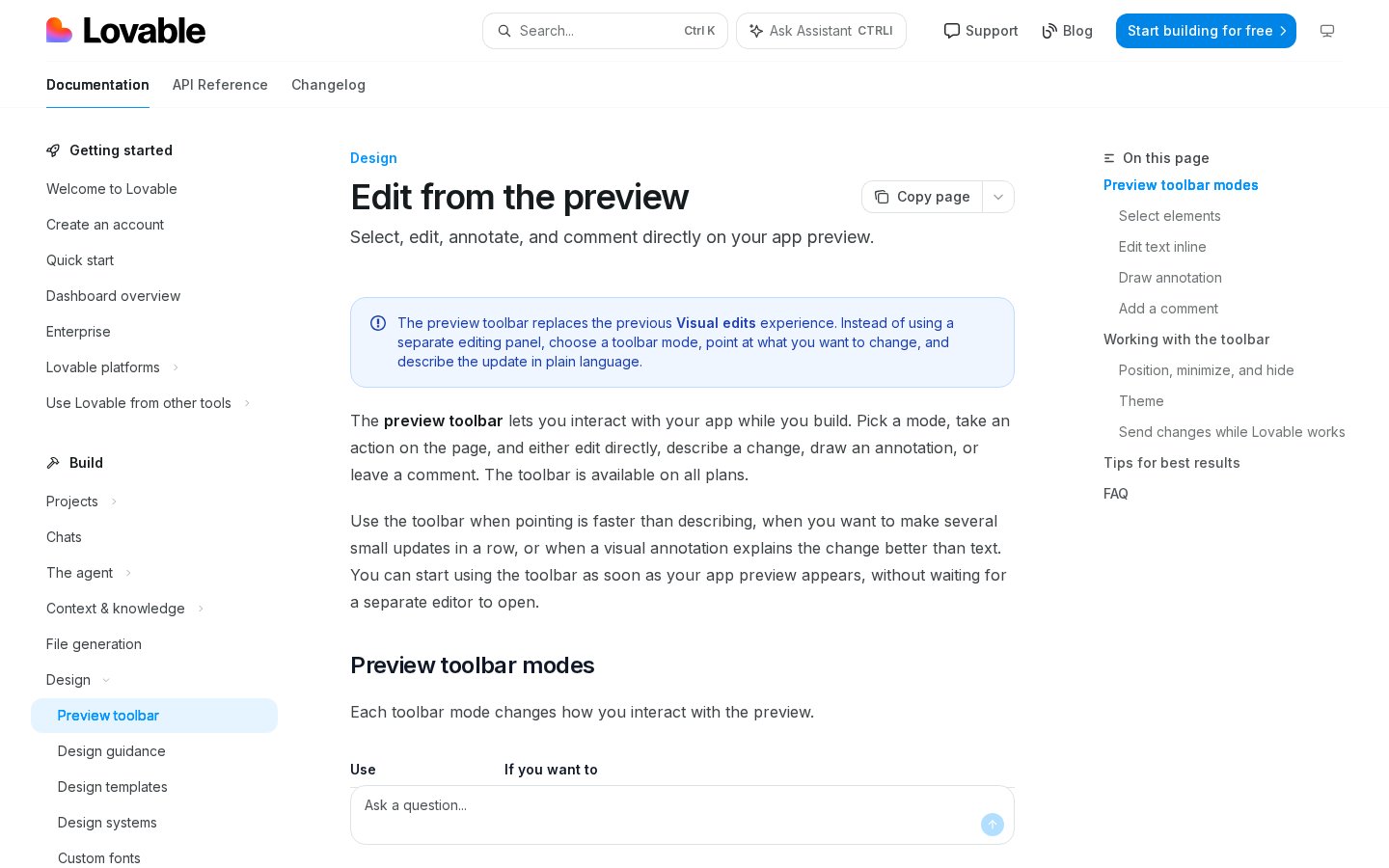
A review should identify the route used to publish the application and avoid treating a successful launch as proof of long-term reliability. LA Soft's technical review specifically examines deployment paths, SEO limitations and scaling risks, making those useful categories for your checklist. For deployment, look for the hosting route, custom configuration and what happens after code changes. For search visibility, check whether the reviewer examines page titles, metadata, crawlable content and rendering rather than merely saying the site is SEO-friendly. For scaling, favour measured descriptions of architecture and bottlenecks over predictions about traffic capacity. Reviews by builders, including The George Tech and StackSelectLab, can provide additional perspectives on practical use, code ownership and limits, but compare their scope and evidence before accepting conclusions. No single deployment test can establish how every application will perform, so match the findings to your architecture and expected maintenance needs.
Match the Review to Your Development Path
Deciding which assessment to trust depends heavily on your technical background and project goals. If you are a non-technical founder building a prototype, prioritise reviews that explain prompt iteration, error recovery, authentication and database setup in plain language. If you are an experienced developer, focus on repository quality, GitHub workflow, API configuration and how readily generated code can be edited locally. Teams considering production use should give greater weight to security controls, deployment ownership, observability and maintenance after handoff. Also note whether the reviewer evaluated a landing page, internal tool, customer-facing service or another project type; conclusions do not automatically transfer between them. Use official Lovable support and FAQ material to verify documented capabilities, then use independent sources to understand trade-offs. Our detailed Lovable review for building AI web apps brings these considerations together. Select the review that mirrors your deployment goals, not the one with the broadest praise.
Use a Final Credibility Checklist
Before relying on a verdict, confirm that the article answers several practical questions. Does it disclose what was built and who the review is for? Does it separate official platform claims from the author's observations? Does it cover a full-stack workflow rather than only generated visuals? Does it explain database behaviour, authentication, integrations, GitHub synchronisation, deployment and known limitations? Are important claims linked to current documentation or credible technical analysis? Finally, does the recommendation change according to project scope, or does the article present Lovable as suitable for every use? Reviews from LA Soft, Made With Lovable, The George Tech and StackSelectLab cover different aspects, so disagreement may reflect different projects rather than poor reporting. Cross-check consequential claims against Lovable's documentation and support information. A transparent, narrowly applicable conclusion is more useful than an unsupported universal verdict.
Frequently asked
As an Amazon Associate I earn from qualifying purchases. This does not affect the price you pay. Affiliate disclosure