Lovable Cost Per Month: What You Really Pay
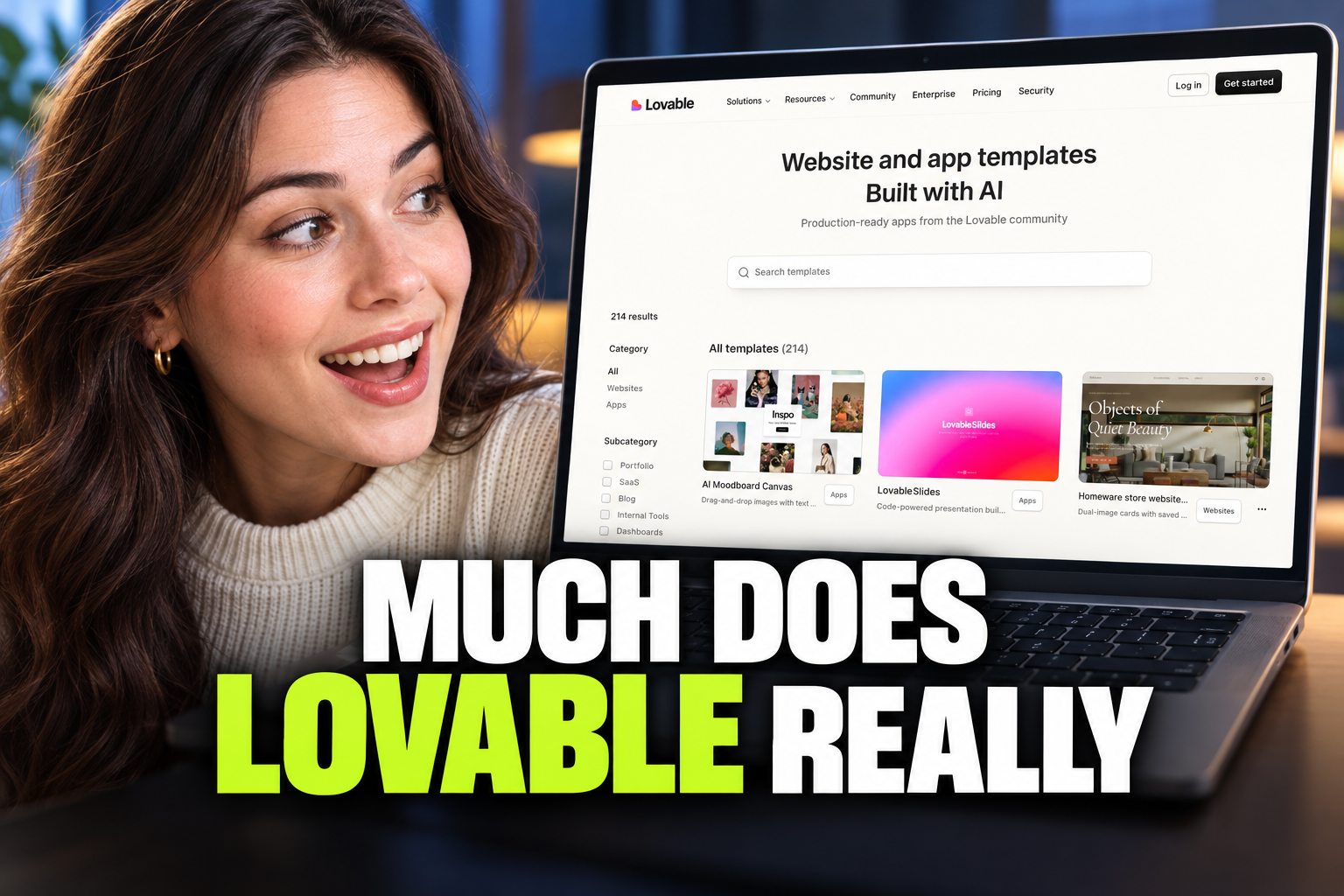
Lovable's total monthly cost combines your subscription and development usage with any separate hosting, database and third-party service charges.
Some links are affiliate links: we may earn a commission if you sign up or buy through them, at no extra cost to you.
On this page8 sections
- 1The short answer
- 2How Much Does Lovable Really Cost Per Month?
- 3Separate the Lovable Plan From App Operating Costs
- 4How Development Usage Affects the Monthly Total
- 5Hosting, Databases and APIs Can Change the Cost
- 6Estimate Your Lovable Monthly Budget Step by Step
- 7Free, Paid and Team Needs: Choosing the Right Starting Point
- 8Frequently asked
The short answer
- Base subscriptions set your monthly credit allowance, but development complexity determines how quickly those credits deplete.
- Every prompt sent to the AI builder consumes a variable amount of credits based on code complexity.
- Live applications require additional external budgets for cloud hosting, database storage, and runtime API usage.
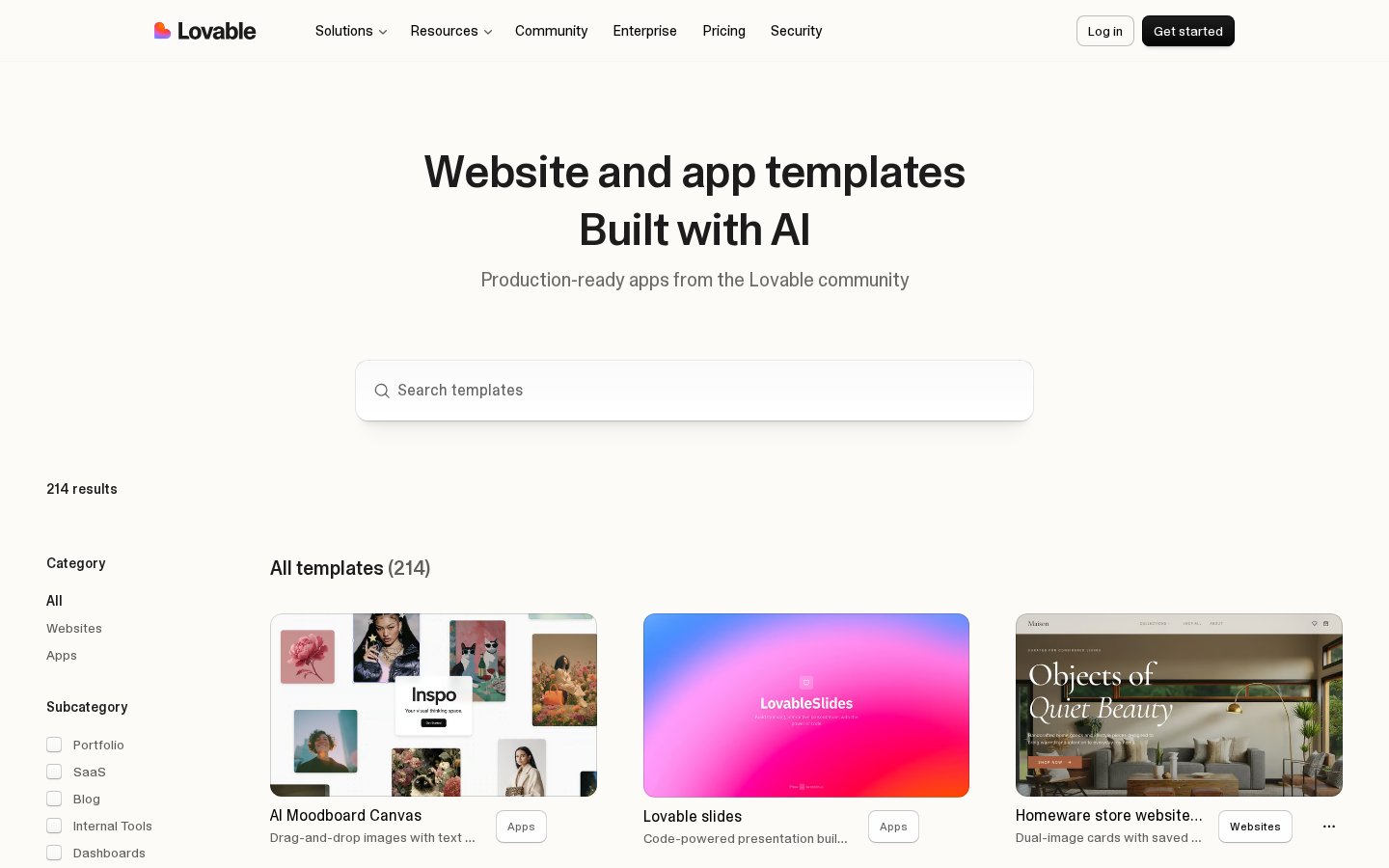
Lovable’s real monthly cost is not one fixed amount. It depends on your subscription plan and development usage, plus any separate hosting, database or third-party services your published app requires. The free plan can support initial exploration, while sustained building may require a paid plan with a larger usage allowance.
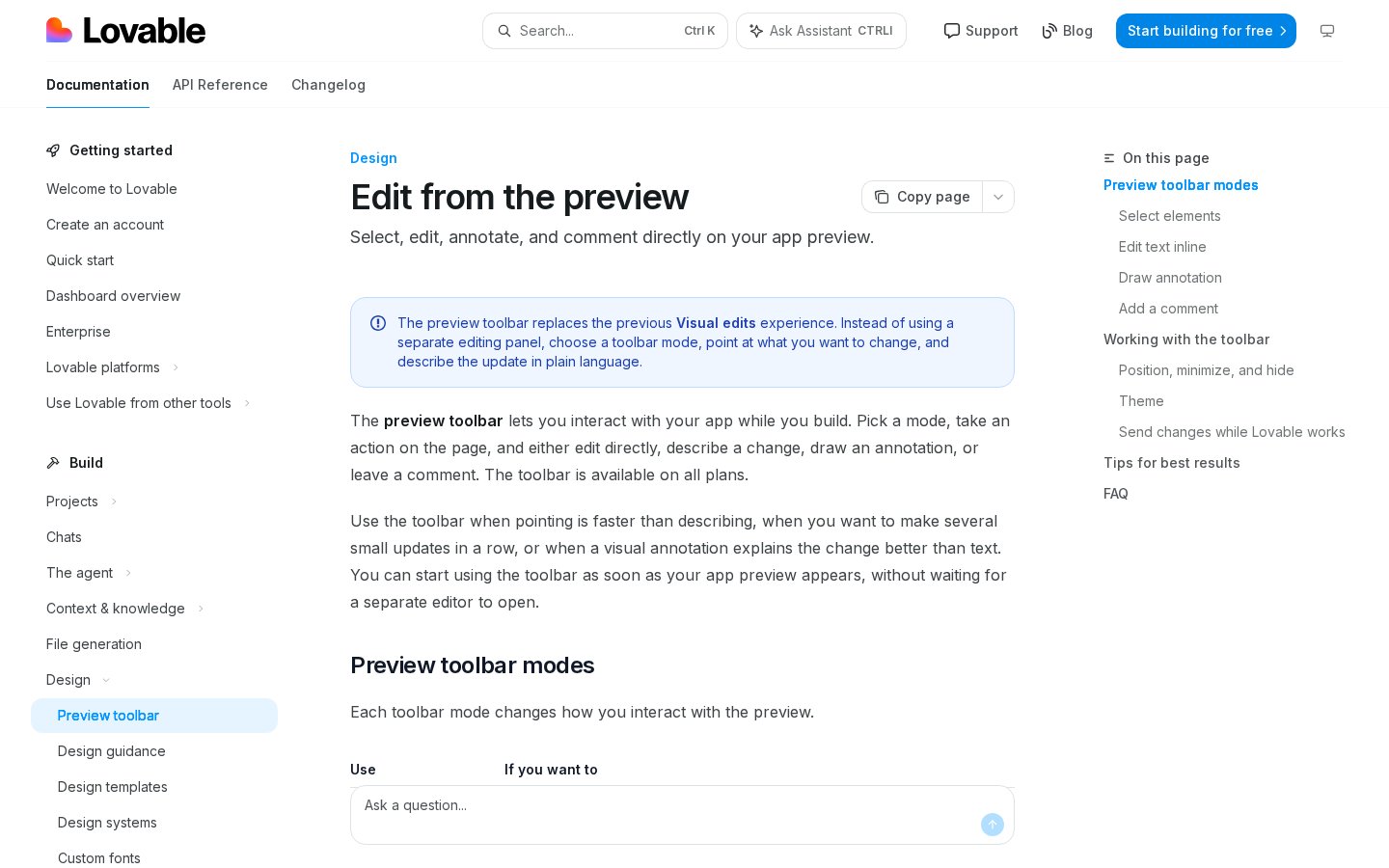
The important distinction is between the cost of building in Lovable and the cost of operating what you build. Your Lovable subscription covers access to the builder and a plan-specific allowance. A live application may also create bills from connected infrastructure and services. These can include a production database, authentication, file storage, email delivery, payment processing or other APIs.
That means two people on the same Lovable plan can have different total monthly costs. A prototype with little traffic may have few costs beyond Lovable, while an actively developed public app can use more builder capacity and paid external services. For a broader comparison of plans and use cases, see our Lovable pricing and free-plan review.
How Much Does Lovable Really Cost Per Month?
Your real monthly total has two main parts: the Lovable plan used to build and edit the project, and the separate services needed to operate the finished application. The first part varies with the subscription and its included usage. The second depends on your app’s architecture, traffic and integrations.
A useful budgeting formula is: Lovable subscription and development usage + external operating services = estimated monthly cost. Start with the current plan information in Lovable’s pricing page and subscription documentation, then list every provider connected to the project. Do not assume the builder subscription includes every service your app calls.
The free plan changes the starting point, but not this formula. It can let you assess the workflow before committing to a paid subscription. Whether it remains sufficient depends on how often you build, the limits and features documented for that plan, and what you need to publish. Because plan details can change, confirm the current terms in Lovable’s official pricing and account screens before setting a budget.
Separate the Lovable Plan From App Operating Costs
Lovable is the construction environment, while a published application can depend on infrastructure with its own billing. Keeping those categories separate prevents a common budgeting mistake: treating the builder subscription as the complete cost of running an app.
Your Lovable category can include the selected subscription and any additional usage options shown in your account. The operating category can include a backend service, database capacity, authentication, storage, bandwidth, domain registration and external APIs. Not every project needs every item, and some providers may offer limited no-cost allowances. Those allowances are controlled by the providers, not by Lovable.
Make a simple cost sheet with one row per service, the billing owner, the renewal period and the factor that drives usage. For example, storage may grow with uploaded files, while an email service may scale with messages sent. External provider charges are separate from the Lovable subscription, so review each provider’s current terms directly rather than estimating them from the Lovable plan alone.
How Development Usage Affects the Monthly Total
Development cost depends partly on how much work you ask the builder to perform within the limits and allowances of your chosen plan. A month spent making occasional copy or layout changes is different from a concentrated build involving repeated feature changes, debugging and revisions.
The clearest estimate comes from your own account data. Check the usage area before and after several representative work sessions, record the change, and calculate a weekly range. Include time for corrections and testing rather than counting only the first request for each feature. Revision cycles can use meaningful development capacity, especially when requirements change during a build.
Prompt discipline can make estimates more stable. Define the desired outcome, relevant page or component, constraints and acceptance criteria before submitting a request. Break risky architectural work into reviewable stages, but avoid sending many vague requests that repeatedly alter the same feature. The goal is not simply to minimize prompts; it is to reduce avoidable rework and understand how your normal workflow affects the plan allowance.
Hosting, Databases and APIs Can Change the Cost
A live app may rely on services that sit outside Lovable’s subscription. Common categories include a serverless database, user authentication, file storage, transactional email, maps, payment processing and AI model APIs. Each provider applies its own limits, billing units and renewal rules.
Usage can rise for different reasons. More visitors may increase bandwidth or database requests. User-uploaded images can increase storage and transfer. Automated emails, map loads or model calls can create per-use charges. A payment provider may also charge under its own commercial terms. The app’s feature set matters as much as its audience size because some features call paid services every time a user takes an action.
Before launch, trace each user journey and note every external service it triggers. Then inspect that provider’s dashboard for usage alerts, caps or spending controls. This is more reliable than assuming a low-traffic app will automatically be inexpensive. The full Lovable review and pricing guide explains where the builder’s plans fit within the wider decision.
Estimate Your Lovable Monthly Budget Step by Step
Begin with the current Lovable plan shown in the official pricing information or your account. Record the billing period, included usage and the features relevant to publishing, collaboration and project management. Do not rely on an old screenshot or third-party summary when setting the final budget.
Next, estimate builder activity. Track several normal sessions, then allow for debugging and revision. List each external service the app uses and identify its billing driver: users, requests, storage, bandwidth, messages, transactions or another unit. Add domain or infrastructure renewals where applicable, converting non-monthly charges into a monthly planning amount without implying that they are billed monthly.
Finally, create low, expected and high-use scenarios. Set provider alerts where available and compare actual usage with the estimate each week. A range is more useful than a single fixed forecast because development intensity and production traffic can change. Revisit the estimate before a launch, marketing campaign or feature release, since each can alter which services are called and how often.
Free, Paid and Team Needs: Choosing the Right Starting Point
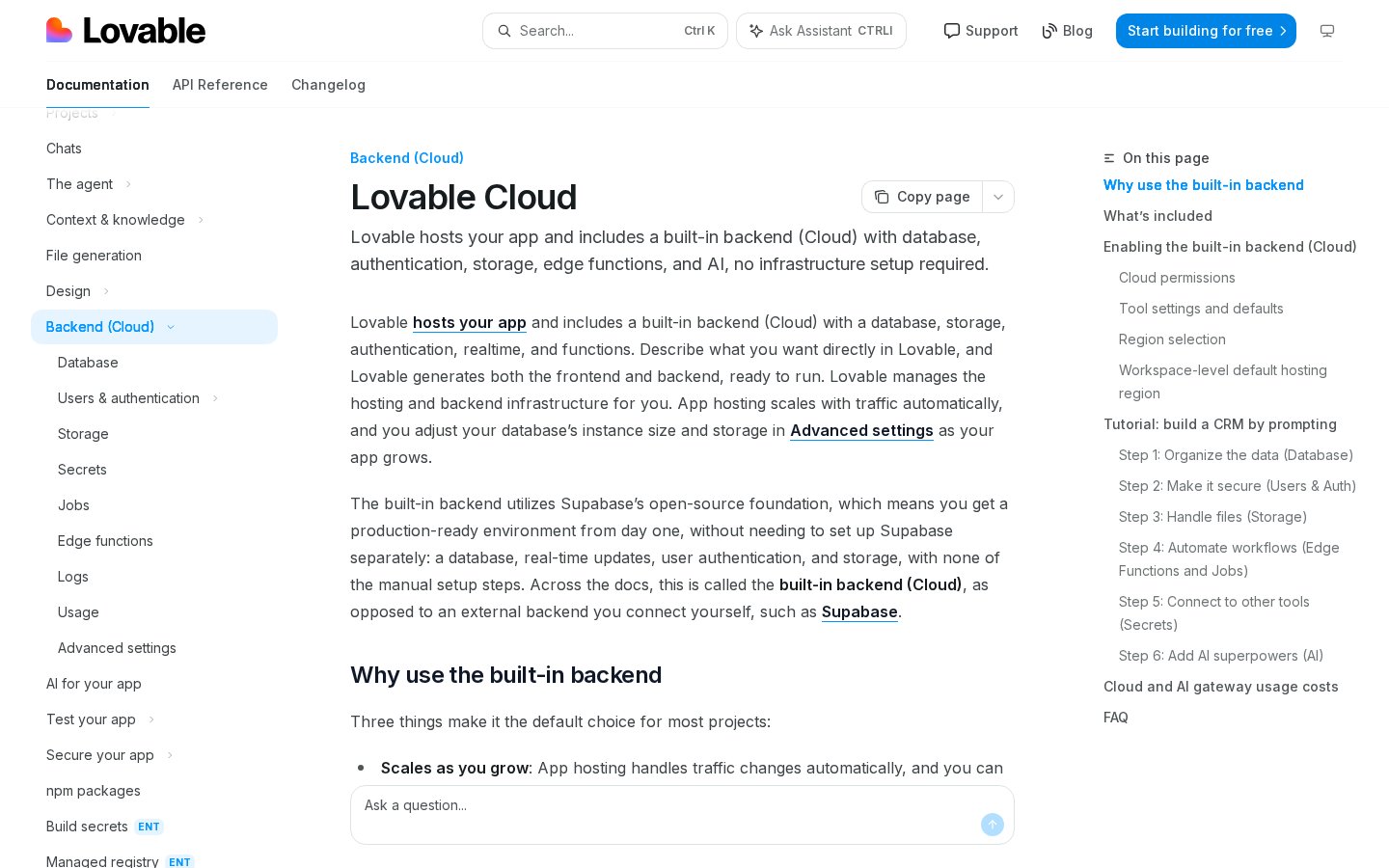
The free plan is most useful as a way to explore Lovable’s workflow and assess whether its limits suit a small experiment. A paid plan may become relevant when the project needs more development capacity or features not included in the free tier. The appropriate choice depends on the current plan definitions published by Lovable, so verify them rather than assuming that a particular feature belongs to a specific tier.
For an individual builder, focus on expected development activity, publishing requirements and the number of active projects. For a team, add collaboration, administration and access control to the checklist. Do not choose a larger plan solely because the app may receive more traffic: builder-plan usage and production infrastructure are related parts of the budget, but they are not necessarily billed by the same provider or metric.
Start with the lowest current plan that meets the documented requirements, then monitor real usage. If you need a broader explanation of the free and paid options, read which Lovable plan is for you. This keeps the decision tied to actual needs rather than an unsupported forecast.
Frequently asked
As an Amazon Associate I earn from qualifying purchases. This does not affect the price you pay. Affiliate disclosure