Can You Use Synthesia for Commercial Work? Rules Explained
Understand the exact commercial licensing rules for Synthesia, including how to legally use stock avatars, custom voiceovers, and client videos.
Some links are affiliate links: we may earn a commission if you sign up or buy through them, at no extra cost to you.
On this page8 sections
The short answer
- Paid subscriptions grant commercial rights for marketing, training, and client videos.
- Free trial accounts strictly prohibit any commercial distribution or public sharing.
- Custom avatars and stock voices have specific usage restrictions depending on your tier.
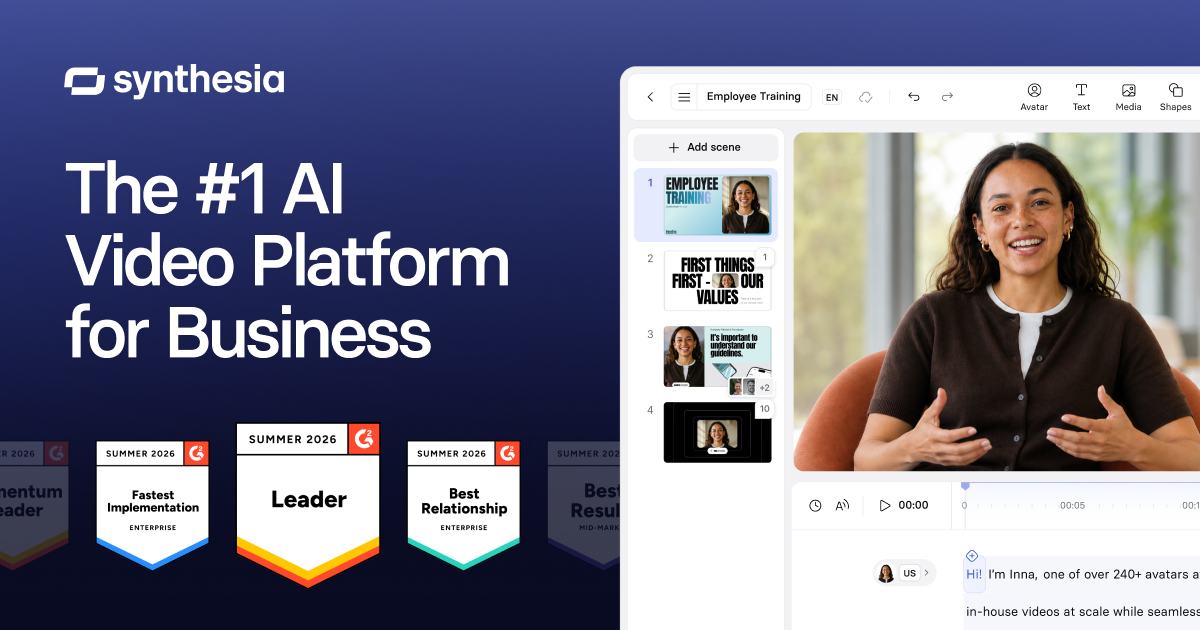
Yes, you can use Synthesia for commercial work, but your rights depend entirely on the subscription plan you choose. While paid plans allow for marketing and client projects, free trial videos cannot be used for commercial purposes.
Understanding video licensing in the generative AI space is crucial to avoid copyright issues. Synthesia distinguishes between internal business use, external marketing, and paid client delivery, meaning a standard subscription might not cover every commercial scenario.
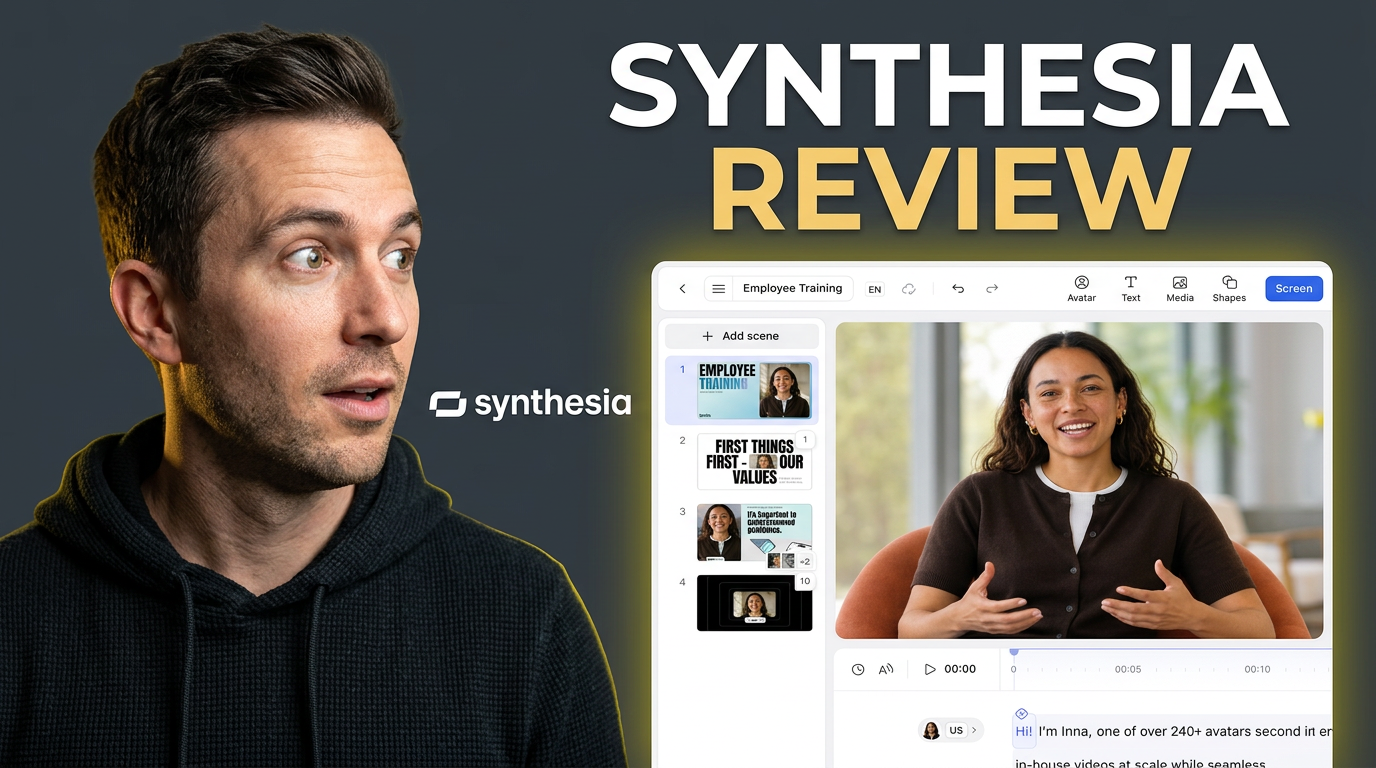
If you are building training materials for your staff, creating promotional ads for social media, or selling video creation as a service, knowing the boundaries of your plan will protect your business. To understand the different features and tiers before diving into licensing, check out our Synthesia Review 2026.
The quick version
- Select a paid plan
- Choose your voice option carefully
- Draft a compliant script
- Submit your draft for moderation
- Download the rendered MP4 file
The Core Commercial Licensing Rules
Every subscription tier on this platform comes with a specific end-user license agreement (EULA) that dictates how you can distribute your rendered media. If you are on a paid personal or enterprise plan, you generally hold the rights to use your generated videos for external marketing, internal training, and corporate communications. This means you can upload them to YouTube, post them on LinkedIn, or embed them on your company website.
However, these rights are not entirely unlimited. The platform enforces strict content moderation policies to prevent the generation of misleading or harmful material. While you own the distribution rights to the final video file, you do not own the underlying intellectual property of the stock avatars or the AI-generated voices themselves.
For those who want to compare how these restrictions impact overall value against other AI video tools, reading our detailed Synthesia Review 2026 can clarify which subscription fits your specific production budget and commercial aspirations. This guide helps you navigate the features that differentiate entry-level accounts from professional platforms.
Creating Videos for Paying Clients
Many freelance creators and agency owners want to build videos to sell directly to their clients. You can create videos for clients using Synthesia, but this workflow requires a specific account setup to remain compliant with their terms of service. Standard individual accounts are designed for single-organization use, meaning you cannot easily resell the outputs to a third party.
To legally produce and resell video content to external clients as a service, you typically need to transition to an agency-focused tier or obtain explicit enterprise permission. This ensures that the end-client is properly licensed to display the AI avatar's likeness on their own public channels.
If you ignore this distinction, your client could face a copyright takedown or licensing dispute. The platform monitors video distribution patterns, and using a starter account to run a high-volume client video production agency violates the spirit and text of the standard agreement. Setting up the correct profile early protects your business reputation.
Stock Avatars vs Custom Avatars
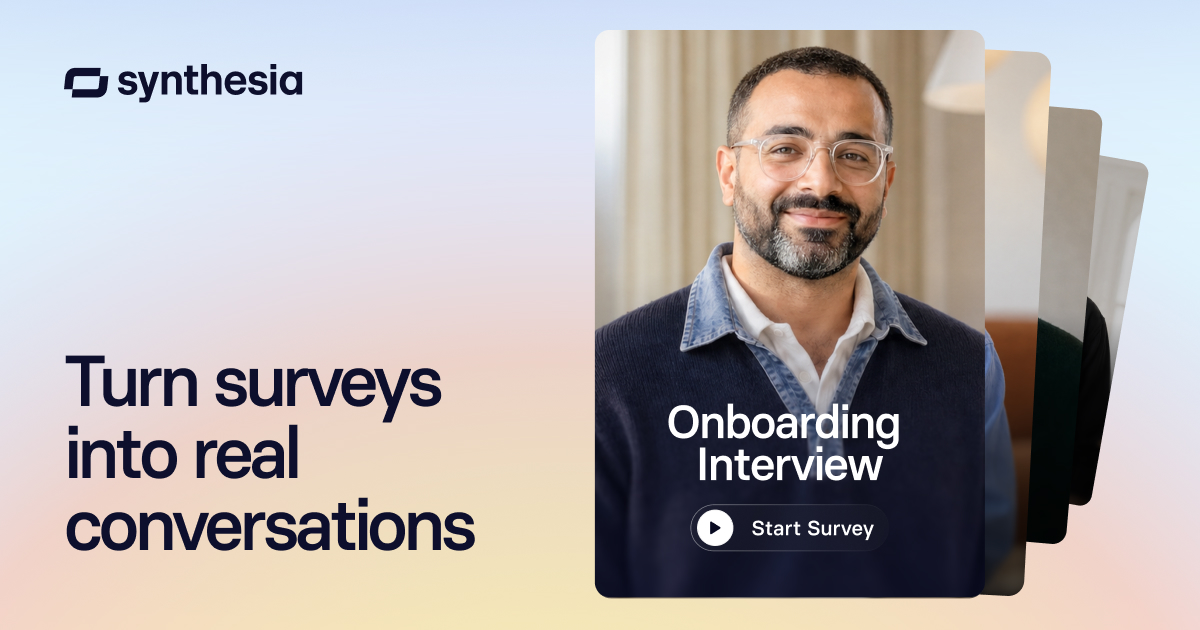
A major factor in commercial safety is the type of avatar you select within the video creator interface. Stock avatars are pre-recorded actors who have signed likeness release forms with the company. While you can use these stock presenters for general marketing, you cannot use them to represent real individuals or imply they work for your specific brand in a misleading way.
For highly personalized brand campaigns, creating a custom avatar is often the preferred route. This involves recording yourself or a hired actor to build a digital twin. Once generated, this digital likeness is exclusive to your account, giving you complete creative control over how your brand's face appears in promotional materials.
Keep in mind that custom avatars require explicit consent and verification during the creation process. You cannot upload footage of a celebrity or an unwitting colleague to generate an avatar, as the platform's security screening will instantly flag and reject unauthorized likenesses. This safety protocol ensures ethical use of generative video tech across all commercial channels.
Step-by-Step Compliance Workflow
Staying compliant while producing commercial media requires following a specific sequence of steps inside the dashboard interface. This step-by-step process ensures your script, voice selection, and avatar choices pass safety checks before you commit to the final rendering phase. Following an orderly workflow is the best way to prevent your generated assets from being flagged during automated review stages.
- Select a paid plan. Avoid using trial clips for public-facing media campaigns.
- Choose your voice option carefully. Verify that the synthesized language dialect you select supports commercial broadcasting.
- Draft a compliant script. Ensure your dialogue does not include political commentary or false testimonials.
- Submit your draft for moderation. Let the automated system review your project layout to confirm it aligns with guidelines.
- Download the rendered MP4 file. Use the final high-definition file on your chosen commercial channels.
Following this process keeps your account in good standing and ensures that the videos you publish will not be flagged or removed. By keeping your workflow organized, you can scale your video production safely without worrying about retroactive licensing strikes. This makes managing content much easier.
Paid Advertising and Broadcast Rights
Using AI-generated videos in organic social media posts is straightforward, but using Synthesia for paid advertising requires additional caution. Paid ad campaigns on platforms like Facebook, YouTube, or television broadcasts expose the avatar's likeness to millions of viewers. Because of this scale, different rules apply to paid placements than to standard corporate training videos.
Under standard terms, using stock avatars in paid social media ads is generally permitted, but television broadcast rights are not included in baseline packages. If you intend to air an AI-generated presenter on regional or national TV networks, you must contact enterprise support to negotiate a custom broadcast license.
Furthermore, some ad networks have strict policies requiring disclosure when generative AI is used to create human-like presenters. You should always check the target ad network's policy on synthetic media disclosure to avoid having your ad campaigns suspended or rejected. Staying informed of platform-specific rules protects your advertising budget.
Which Licensing Tier Should You Choose?
Deciding which package to select depends entirely on your business model and where your videos will live. If you are a solo marketer or small business owner creating content for your own website, a standard paid personal tier is the most logical starting point. It provides the necessary rights for organic business promotion without excessive overhead.
For agencies, freelancers, and larger marketing departments, an enterprise or agency tier is essential. These plans grant the collaborative tools and expanded licensing rights needed to build, distribute, and monetize videos across multiple brands and external clients safely. Paid subscriptions grant the necessary rights for organic business promotion and commercial resale, making them a vital business asset.
Ultimately, choosing the right plan is about matching your commercial reach with the legal protections you need. Before committing, reviewing the detailed capabilities outlined in our Synthesia Review 2026 will help you make a fully informed decision. Understanding these differences directly shapes your final video production strategy.
Frequently asked
As an Amazon Associate I earn from qualifying purchases. This does not affect the price you pay. Affiliate disclosure